

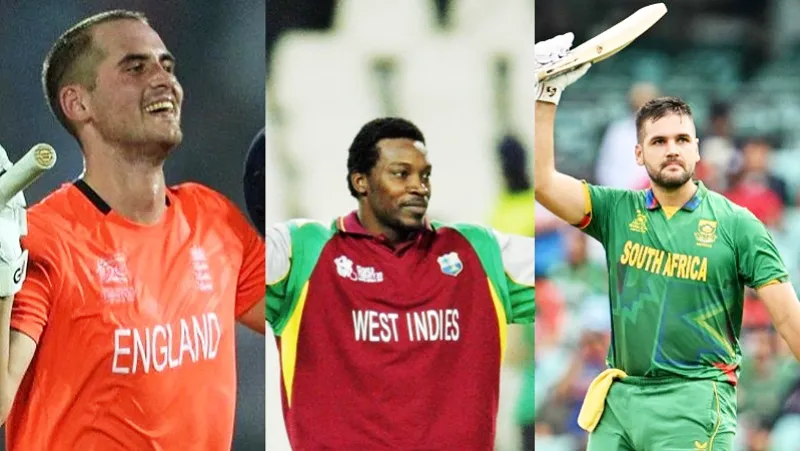

As we approach the 2026 ICC Men’s Twenty20 World Cup in February (and March) of 2026 in India and Sri Lanka with twenty teams and fifty-five games on the docket, as a natural result, the conversation again turns to those five major blows. Though conditions may be evolving, though strike rates are rising, though boundary dimensions are shrinking, the significance of these five innings remains unchanged today. Not because they produced a dramatic show; rather, each was critical at a time of high tactical pressure, when momentum was delicate and the room for error infinitesimally small.
These weren’t just hundreds. They were statements about timing, tempo, and the art of controlled destruction.
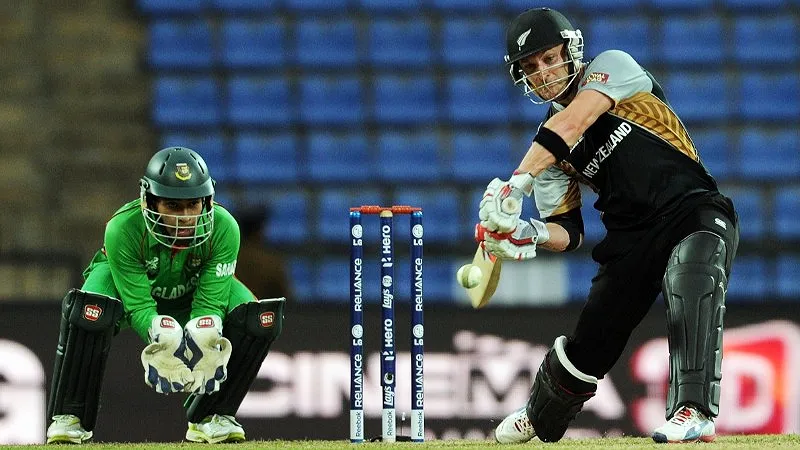
Brendon McCullum (123 off 58): Controlled Chaos Personified
 Brendon McCullum
McCullum’s 123 in Pallekele wasn’t a slog; it was a masterclass in escalation. Batting at No.3, he absorbed early uncertainty before detonating with precision. His strike rate (212) was elite even by modern standards, but more impressive was his shot selection against spin, a crucial skill in subcontinental conditions. New Zealand didn’t just post 191; they psychologically removed Bangladesh from the contest by the 15th over.
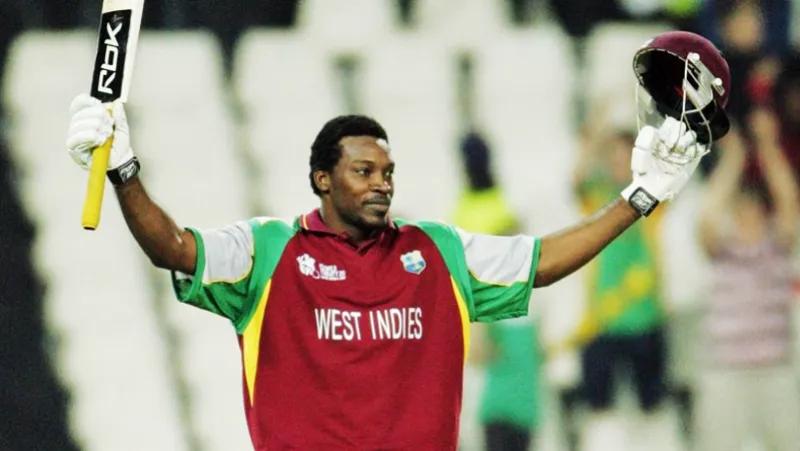
Chris Gayle (117 off 57): Power Before It Was Fashionable
 Chris Gayle
Gayle’s 117 in that first-ever T20 World Cup (in 2007) is almost like a myth now. When 160 was still an achievable total, he smashed 10 sixes, which made teams think twice about how they would field him for years to come. Although the West Indies lost, this batting performance demonstrated that unstructured bowling plans can be dominated by pure force.
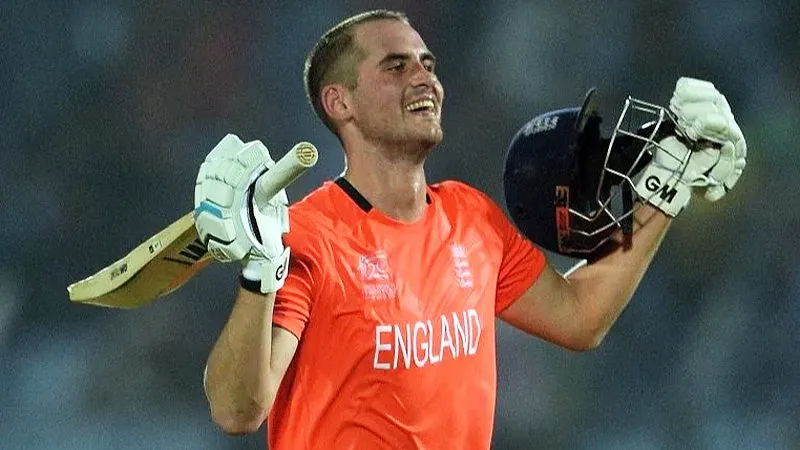
Alex Hales (116 off 64): Counterattack as Survival*
 Alex Hales
England were 0/2 in the first over of play. The game was slipping away. The crowd was buzzing. Enter Alex Hales. In his unbeaten 116, he did not hit the ball recklessly; he hit it aggressively against a top-class phase of the Sri Lankan attack. The 150-run partnership with Eoin Morgan made what an improbable chase inevitable; this innings would eventually become England’s early template for chasing fearlessly what was to become the defining philosophy of their success in the shorter formats of the game.
Ahmed Shehzad (111 off 62): Classical Tempo, Modern Impact*
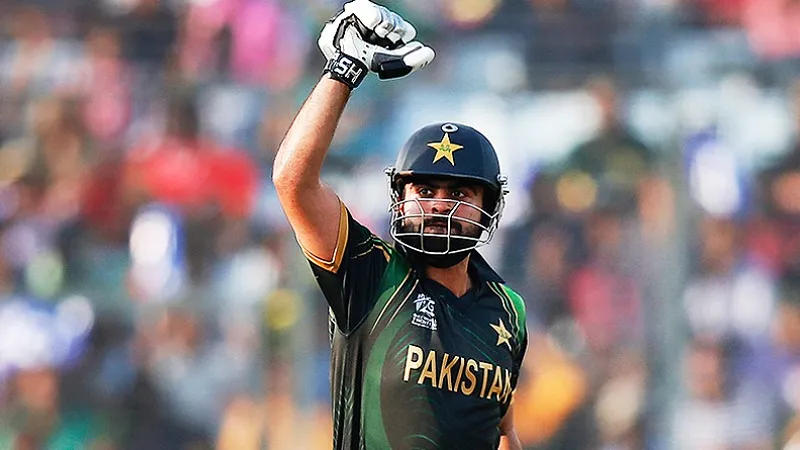 Ahmed Shehzad
Often overlooked, Shehzad’s Mirpur hundred was about rhythm rather than violence. He paced the innings like an ODI knock but accelerated seamlessly at the death. On a slower surface, his 10 fours mattered more than his sixes. Pakistan’s 190 proved unchaseable not because of excess, but because of timing.
Rilee Rossouw (109 off 56): Brutality with Purpose
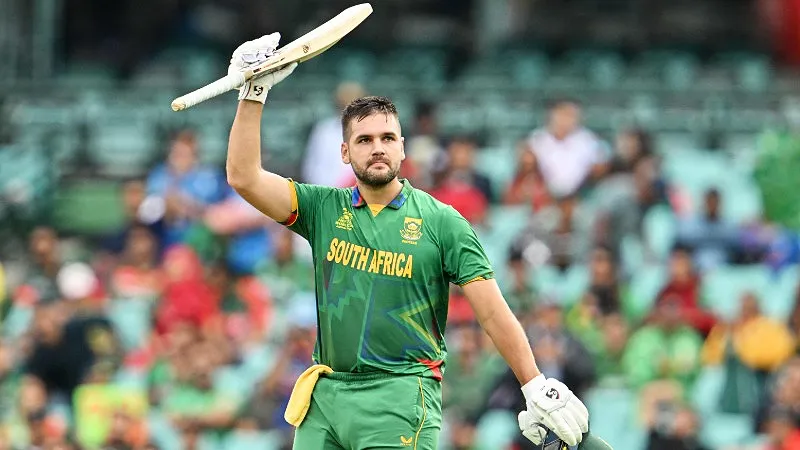 Rilee Rossouw
The 2022 Rossouw attack against Bangladesh was an example of what can be accomplished in Twenty-20. In that match, Rossouw had seven fours and eight sixes, while taking advantage of Bangladeshi spinners who could not stop him. The 168-run partnership between De Kock and Rossouw was enough for them to destroy Bangladesh, but it wasn’t enough to simply win; it was the most crushing victory South Africa has experienced in their history of playing Twenty-20 cricket; the margin of victory was 104 runs, and it may have been one of the largest margins of victory in the history of T20.
The Numbers That Frame the Legacy
Player | Runs | Balls | 4s | 6s | Opposition | Venue | Year |
|---|---|---|---|---|---|---|---|
Brendon McCullum | 123 | 58 | 11 | 7 | Bangladesh | Pallekele | 2012 |
Chris Gayle | 117 | 57 | 7 | 10 | South Africa | Johannesburg | 2007 |
Alex Hales | 116* | 64 | 11 | 6 | Sri Lanka | Chattogram | 2014 |
Ahmed Shehzad | 111* | 62 | 10 | 5 | Bangladesh | Mirpur | 2014 |
Rilee Rossouw | 109 | 56 | 7 | 8 | Bangladesh | Sydney | 2022 |
The top 5 batters who have scored the most runs individually in the Men’s T20 World Cup were not chasing numbers. They were chasing relevance on pitches where clarity is required; on bowling attacks that demand courage. In an era of T20 cricket where the emphasis is on a batter’s strike rate, the great innings of this format are still built upon some of the old school characteristics of batting: patience, game awareness, and the ability to increase their scoring rate when all around them are hesitant. Even greatness has become rare in the shortest form of the game.
Key Takeaway
T20 World Cup hundreds aren’t about power alone; they’re about timing dominance to perfection.
FAQs
- What is the highest individual score in Men’s T20 World Cup history?
Brendon McCullum’s 123 off 58 balls against Bangladesh in 2012.
- Why are T20 World Cup centuries so rare?
Tournament pressure, varied conditions, and elite bowling limit prolonged dominance.
- How might 2026 conditions affect big scores?
Indian and Sri Lankan venues favor spin control, making tempo management crucial for any future hundred.
Disclaimer: This blog post reflects the author’s personal insights and analysis. Readers are encouraged to consider the perspectives shared and draw their own conclusions.
Step into the world of cricket with JeetBuzz News—where expert opinions, trending Blogs, and behind-the-scenes insights meet all your favorite topics. Stay informed, stay entertained, and never miss the stories shaping the cricketing world—only on JeetBuzz News!