

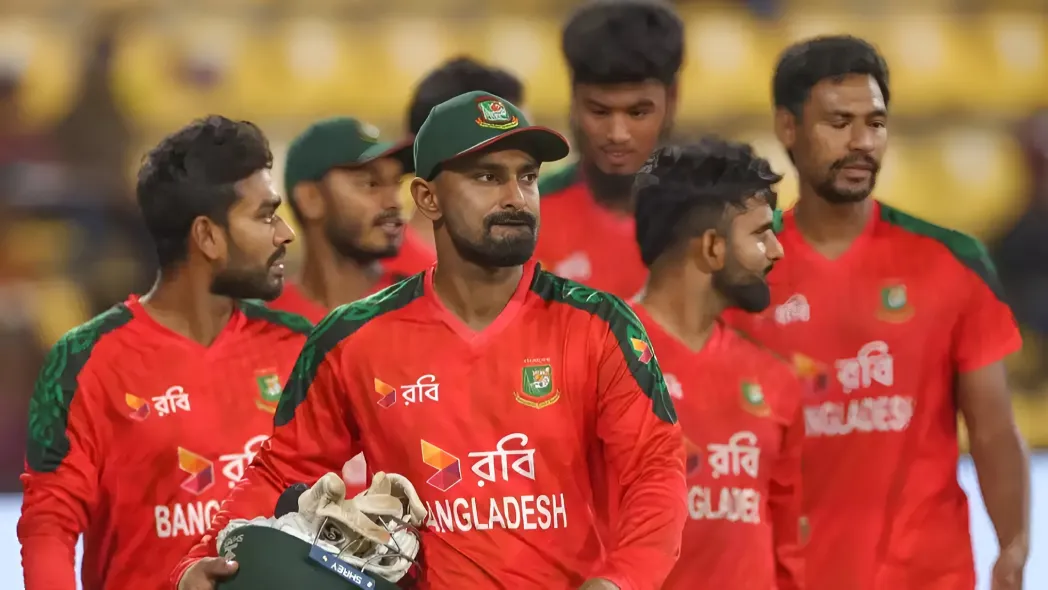

Cricket rarely ends on paperwork, but this one did. No collapse, no misfield, not even a coin toss. Just a 24-hour ICC deadline that ticked down quietly while Bangladesh stayed silent. When the window closed, so did the debate.
It’s simply ridiculous. Bangladesh did not have to win a knockout, nor did they have to reach a points percentage target; all they were asked was one simple “yes” or “no”: are you coming? It is well documented that the Bangladesh Cricket Board (BCB) held informal meetings to discuss their response with both Government Officials and Player Representatives; yet from the ICC’s point of view, this lack of formal reply constituted a decision in itself.
Deadlines Are Cricket’s Hardest Umpires
The ICC’s action here was a procedure-based, and not politically driven. The issues would have immediately disappeared if Bangladesh had participated in the tournament. By not stating its position in the 24-hour window of opportunity, the BCB made it impossible for the ICC to do anything other than proceed with the remainder of the tournament. Regardless of diplomatic negotiations, broadcast windows, venues, and the like have to be finalized for commercial purposes.
This wasn’t the ICC “pushing” Bangladesh out. It was the governing body applying the same rulebook it always does: respond on time, or be replaced.
Security Concerns Versus Tournament Reality
Bangladesh’s stance rested on security concerns for its players in India, concerns reiterated by the government itself. Sports advisor Asif Nazrul made it clear this was a state decision, not merely a boardroom hesitation. From Dhaka’s perspective, player safety outweighed sporting participation.
But international cricket runs on host-nation assurances. Once the ICC accepts a host’s security framework, individual boards opting out become exceptions, and exceptions disrupt tournaments.
When Silence Becomes Strategy and Backfires
BCB president Aminul Islam floated the idea of a “last-minute miracle.” Yet miracles in ICC governance are rare, especially after the board has already voted. Once the ICC decision loop closed, there was no injury-time winner to be scored. This wasn’t brinkmanship. It was indecision mistaken for leverage, and the ICC read it exactly that way.
Scotland: Ready, Waiting, and Administratively Clean
Scotland’s likely inclusion isn’t charity; it’s a preparation meeting opportunity. Associate nations are routinely asked to stay ready for precisely these moments. With no political caveats and full compliance, Scotland fits the ICC’s need for certainty. In tournament planning, reliability often beats reputation.
What’s different here is not the process but the scale. A Full Member stepping aside, replaced by an Associate, underscores how rigid global tournament governance has become. This is less about Bangladesh alone and more about how little flexibility exists once the ICC machine is in motion.
Bangladesh didn’t lose its T20 World Cup place on security concerns alone. They lost it on timing. International cricket allows protest, caution, even refusal, but not indecision wrapped in silence.
The ICC gave Bangladesh the final call and waited. When no shot was played, the innings ended. Whether one agrees with Dhaka’s stance or not, the lesson is clear: in modern ICC events, governance moves faster than diplomacy.
For Bangladesh cricket, the damage isn’t just missing a tournament; it’s the precedent set. Future negotiations will remember this moment. Because in global cricket, opting out is a choice. Failing to reply is a verdict.
Key Takeaway
Bangladesh didn’t get replaced for saying no; they got replaced for not saying anything.
FAQs
1. What triggered Bangladesh’s exclusion from the T20 World Cup?
Failure to formally communicate a decision to the ICC within the 24-hour deadline.
2. Why is Scotland the likely replacement?
They were the most prepared, compliant standby side available to the ICC.
3. How could this have ended differently?
A clear, timely response, yes or no, would have preserved Bangladesh’s position or at least controlled the narrative.
Disclaimer: This blog post reflects the author’s personal insights and analysis. Readers are encouraged to consider the perspectives shared and draw their own conclusions.
Step into the world of cricket with JeetBuzz News—where expert opinions, trending Blogs, and behind-the-scenes insights meet all your favorite topics. Stay informed, stay entertained, and never miss the stories shaping the cricketing world—only on JeetBuzz News!