

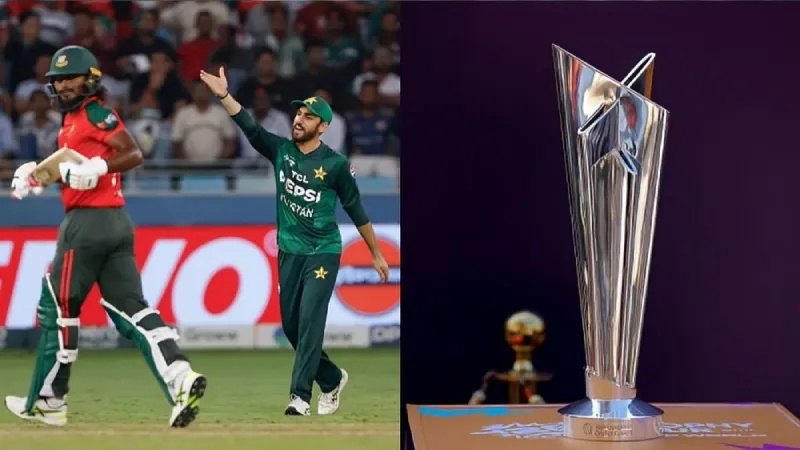

Cricket has always claimed neutrality, but every few years it forgets its own script. Pakistan’s hesitation over the T20 World Cup 2026 isn’t about form, fitness, or even fixtures; it’s about principle colliding head-on with power. PCB chairman Mohsin Naqvi’s announcement that Pakistan will decide its participation by “Friday or next Monday” has turned a global tournament into a ticking diplomatic clock.
Here’s the irony: Pakistan has already announced its squad, yet may still pull the plug or selectively protest just days before the opener against the Netherlands on February 7 in Colombo. That’s four days between decision and delivery, an administrative gamble rarely seen at the World Cup level.
When Neutrality Stops Being Neutral
The ICC’s decision to replace Bangladesh with Scotland has triggered an uncomfortable question: are security concerns conditional? Bangladesh formally communicated its refusal to travel to India on January 4 after consultation with its government, following worsening political relations and the unexplained release of Mustafizur Rahman from KKR’s IPL 2026 squad.
Pakistan’s argument isn’t abstract sympathy; it’s institutional logic. Pakistan itself will not travel to India and will play all matches in Sri Lanka. If that accommodation exists for one full member, why was it denied to another? Naqvi’s accusation of “double standards” isn’t rhetoric; it’s a governance challenge aimed straight at the ICC’s consistency.
Selective Protest Over Full Boycott
An outright boycott is dramatic but blunt. What the PCB appears to be weighing is surgical dissent, specifically, refusing to play India on February 15 in Colombo. That option preserves Pakistan’s tournament presence while delivering a pointed message.
Historically, cricket boards prefer pressure tactics that hurt optics rather than finances. Missing a Pakistan–India match would dent broadcast narratives without triggering ICC sanctions that often accompany full withdrawal. The PCB hasn’t publicly confirmed this strategy, but its silence is tactical, not accidental.
The Clock Is Working Against Pakistan
Waiting until next week for a decision is close to crazy, from a risk standpoint. The Pakistan team plays in the first game of the tournament, and it is a showcase game that the ICC is marketing big time. If they pull out at the last minute or do something less than full participation, the whole tournament will be thrown into chaos in terms of scheduling, broadcasting, and commercial plans.
In other words, while the ICC views this as a political problem, for the Pakistan Cricket Board (PCB), the later in the week you delay the decision, the more negotiating power you have. In fact, the later the deadline, the bigger the bang. This is political brinksmanship with a cricket board twist.
Pakistan Standing Alone, By Design
At last week’s ICC meeting, the PCB was reportedly the only board to back Bangladesh’s position. That isolation isn’t a weakness; it’s intentional positioning. Pakistan is framing itself as the dissenting conscience of the room, willing to absorb backlash to expose imbalance.
This stance also aligns with Pakistan’s own long history of security-based exclusions. From the 2009 Lahore attacks to years of hosting cricket in exile, Pakistan understands what it means when “safety” becomes selective sympathy.
If Pakistan capitulates, it sets a new standard for the ICC. If Pakistan maintains its position, it will experience an increased likelihood of being isolated by other nations but will also enjoy increased credibility as a true stakeholder in world cricket who does not sacrifice fairness for convenience. Regardless of how Pakistan handles this situation, the effect of its actions in the months following February will be seen throughout the sport.
Key Takeaway
Pakistan’s hesitation isn’t chaos; it’s a calculated challenge to cricket’s selective rulebook.
FAQs
What triggered Pakistan’s uncertainty over the T20 World Cup 2026?
The ICC’s decision to remove Bangladesh after it refused to travel to India over security concerns.
Why is Pakistan considering skipping the India match specifically?
As a targeted protest that avoids full withdrawal while spotlighting perceived double standards.
How late is Pakistan leaving its final decision?
Potentially just four days before their opening match, maximizing leverage but increasing disruption risk.
Disclaimer: This blog post reflects the author’s personal insights and analysis. Readers are encouraged to consider the perspectives shared and draw their own conclusions.
Step into the world of cricket with JeetBuzz News—where expert opinions, trending Blogs, and behind-the-scenes insights meet all your favorite topics. Stay informed, stay entertained, and never miss the stories shaping the cricketing world—only on JeetBuzz News!