

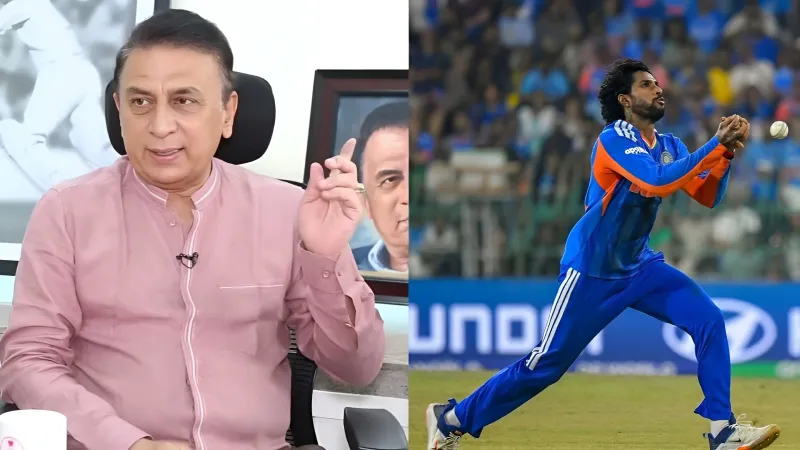

India dropped 21 catches in just 13 matches across the England and Zimbabwe tours, and Sunil Gavaskar wants selectors to stop protecting the players responsible. His answer is blunt: show persistent drop merchants the door, whatever they offer with the bat. The numbers back him. A team that sweeps Zimbabwe 3-0 can still be leaking matches through the fingers of its fielders, and results have masked that slide for too long. Selectors have stayed silent so far, and Gavaskar wants that silence to end before the Sri Lanka Tests begin.
The Numbers Behind India’s Dropped Catches
India dropped 11 catches in 10 white-ball matches against England in 2026, then shipped 10 more across three Zimbabwe T20Is, five of them in the third game alone, three off Thakur’s bowling. Catching efficiency across the combined 13 matches sat at 69.1 per cent.
Series / Tour | Matches | Catches Dropped | Catching Efficiency |
England white-ball (2026) | 10 | 11 | ~66-70% (est.) |
Zimbabwe T20Is (Jul 2026) | 3 | 10 (5 in 3rd match) | 69.1% (last 13 games) |
Combined UK + Zimbabwe | 13 | ~21 | 69.1% |
3rd T20I vs Zimbabwe | 1 | 5 (3 off Thakur) | Multiple straightforward chances |
India lost the Ireland T20I series 0-2, then fell 0-4 in the white-ball leg against England. Zimbabwe was swept 3-0, but commentators still flagged the fielding as being under the microscope again. The pattern isn’t new, but the scale is. Fielding drills used to be treated as a supplement to batting and bowling work in India’s set-up, not a discipline measured match by match the way strike rates and economy rates now are.
India Test Fielding Gavaskar Action
Gavaskar isn’t a new critic here. He raised the same concern during India’s 2025 tour of England, calling the outfielding pretty ordinary and simply not up to the standard required at that level.
What’s changed is the tone. Where he once described a problem, he’s now demanding a solution, and he wants it applied without sentiment toward reputation or run tallies built up over a long career. It matters because Test tours, not just white-ball series, are where fielding lapses compound fastest. A dropped catch in the tenth over of an innings can turn a workable target into a match India simply cannot win.
Gavaskar’s Exact Words on the Issue
Speaking after the Zimbabwe series on July 27, 2026, Gavaskar said it’s mandatory that an average fielder be shown the door, adding that no captain should have to hide three or four players hoping the ball never reaches them.
That’s a specific, actionable standard, not a vague complaint about effort. It puts the responsibility squarely on selectors rather than coaches or captains managing the team around known weaknesses in the field. Gavaskar has never been shy about naming specific failures rather than speaking in generalities, and that habit is exactly why this demand carries more weight than the usual post-series soundbite.
Selectors’ Reluctance to Act So Far
Rishabh Pant, Shreyas Iyer and Rinku Singh all carry known fielding limitations that their batting is currently judged to outweigh. Fielding coach T Dilip has faced criticism since 2025 without any public response from selectors.
The Zimbabwe sweep gave selectors cover. A winning scoreline is always harder to dismantle, even when the margin the team wins by keeps shrinking because of chances put down in the field by the same names. There’s also a generational angle here. Younger fielders coming through domestic cricket are drilled on athleticism far more than the current senior core ever was, which makes the contrast on the field even more visible.
Turning Gavaskar’s Demand Into Policy
Two options sit in front of the selectors. Drop fielding-deficient players where like-for-like batting alternatives exist, or mandate that T Dilip’s training programme targets the specific failure patterns behind the drops, catching under pressure and slow relay throws from the deep. Neither option is painless. Dropping a batter who averages well over 40 because of fielding alone would be unprecedented for this panel, and building a new training block takes a full season to show results. There’s no easy timeline either way, and Gavaskar’s patience with excuses is visibly running out.
This India Test fielding Gavaskar action question gets its first real examination at the Sri Lanka Tests from August 15, where a lower-pressure surface will make every fresh drop that much harder to explain away.
Should India drop a proven batter purely for fielding standards before the Sri Lanka Tests? Tell us where you’d draw the line.
Frequently Asked Questions (FAQs)
What did Sunil Gavaskar say about India’s fielding?
Gavaskar said it’s mandatory to show the door to any average fielder, arguing no captain should hide three or four players. He made the comment on July 27, 2026, right after India’s Zimbabwe series.
What is India’s catching efficiency in white-ball cricket in 2026?
India’s catching efficiency sat at 69.1 per cent across the last 13 combined matches against England and Zimbabwe. That figure covers roughly 21 dropped catches, including five in a single T20I against Zimbabwe.
How many catches has India dropped recently?
India dropped roughly 21 catches across 13 matches, 11 against England and 10 against Zimbabwe. Five of the Zimbabwe drops came in one match alone, three off Thakur’s bowling.
Who is India’s fielding coach?
T Dilip is India’s fielding coach and has faced consistent criticism over dropped catches since 2025. Gavaskar previously questioned, during the 2025 England tour, whether the fielding medals handed out after matches were actually deserved.
Why has India’s fielding standard declined?
Analysts point to over-reliance on gym conditioning instead of running-based fielding drills as a key factor. Selectors have also prioritised batting and bowling numbers over fielding ability when picking squads.
Disclaimer: This blog post reflects the author’s personal insights and analysis. Readers are encouraged to consider the perspectives shared and draw their own conclusions.