

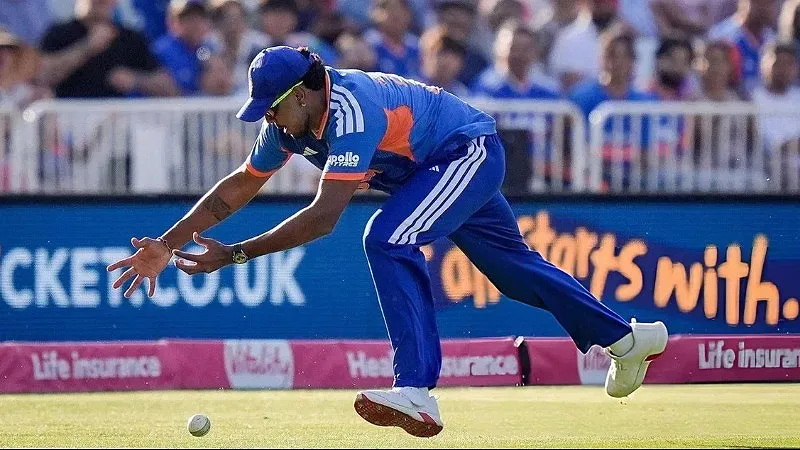

India won every match yet still can’t hide its oldest flaw. The side swept the series 3-0 and still put down five straightforward catches in the very same series-deciding match, three of them off a single bowler alone. Both facts are true at once, and the second one is why selectors keep hearing the same complaint after nearly every T20I assignment this year. A comfortable scoreline in the final table is masking a problem that results alone are not going to fix anytime soon.
The Numbers Behind the Dropped Catches
The third match’s report was blunt: the side put down five relatively straightforward chances, three of them off one bowler alone, continuing a theme that keeps recurring in recent series. Statistically, five drops in one T20I is the joint second most in the team’s available data for the format. Three drops off a single bowler in one match also matches the joint most by any Indian bowler on record. The first two matches passed with no fielding headlines at all, which makes the sudden collapse in the decider look less like bad luck and more like a familiar habit resurfacing under pressure.
Match | Catches Dropped | Fielder(s) | Impact |
|---|---|---|---|
1st T20I, Jul 23 | Not enumerated | Not specified | Won by 7 wickets, opposition 125 for 7 |
2nd T20I, Jul 25 | Not enumerated | Not specified | Won by 90 runs, opposition bowled out |
3rd T20I, Jul 26 | 5, joint second most on record | 3 off one bowler, plus a substitute fielder | Opposition reached 157, about 25 runs above expected |
India vs Zimbabwe T20I Series 2026 Fielding
The decider’s ball-by-ball account described some very ordinary work in the field, including a slew of missed chances. A substitute fielder put down a straightforward opportunity at midwicket, and the same batter survived two further chances off the same bowler during the innings alone.
Those five drops helped push the total to 157, more than twenty runs above what the bowling attack had conceded across the first two matches combined. None of the missed chances were especially difficult by international standards, which is precisely what made the pattern so frustrating for a bowling unit that otherwise controlled the contest from the first over.
The Costliest Chances Put Down
The eventual not-out batter at the crease finished on 54, the innings’ key contributor alongside a supporting knock of 28 lower down the order. Commentary during the match noted that several chances had already gone down off the same bowler across the series, forcing him to eventually take matters into his own hands with the ball.
The missed opportunities are estimated to have added between twenty-five and thirty runs to the total compared with a clean fielding performance. In a format where a single boundary can swing momentum, conceding that many extra runs through the field alone is difficult for any bowling attack to defend, however well it otherwise executes its plans.
A Pattern Under Different Captains
A former opener turned commentator called for selection consequences after the match, arguing that an average fielder should not keep his place regardless of batting or bowling output. He pointed specifically to series defeats in Ireland and England earlier this year, where fielding lapses were also flagged as a factor in both results.
The issue predates the current captaincy entirely and has resurfaced across different squads, coaching staff and conditions throughout the year. Selectors have so far preferred to back batting and bowling potential even when a player’s ground fielding is clearly below the standard expected at international level, a trade-off that keeps resurfacing at the worst possible moments.
The Captain’s Response and What’s Next
The captain described the series as close to flawless barring the catches put down, a framing the same commentator publicly challenged afterward. He separately praised a young group of players showing real energy and intent in the field, suggesting he sees the drops as something experience corrects rather than a selection issue.
The acting head coach praised the captain’s leadership without addressing the fielding concern directly, and the next assignment, a Test series, begins on August 19. This India vs Zimbabwe T20I series 2026 fielding pattern will keep resurfacing in every post-match debrief until results on the field finally force a change in selection.
Should a player’s fielding cost him his spot even if his batting or bowling delivers? Share your view below.
Frequently Asked Questions (FAQs)
How many catches did India drop against Zimbabwe?
Five were put down in the third T20I alone, the joint second most in the team’s format history. Three of those five chances came off a single bowler in that same match.
Why is India’s fielding seen as a weakness right now?
Fielding lapses have now been flagged across three separate series this year, not one bad afternoon. India lost series in Ireland and England earlier this year with dropped catches cited as a factor.
What did the captain say about the fielding after the series?
He called the series close to flawless apart from the catches that went down. A former opener turned pundit publicly challenged that description immediately after the comments.
Which bowler was most affected by the dropped catches?
One quick bowler had three separate chances put down off his bowling in the deciding match. He eventually took the wickets himself after the missed opportunities piled up early in the innings.
How much did the drops cost the team in the decider?
The missed chances added roughly twenty-five to thirty extra runs to the total. The 157 total ran about twenty runs above what the same attack conceded in the previous matches.