

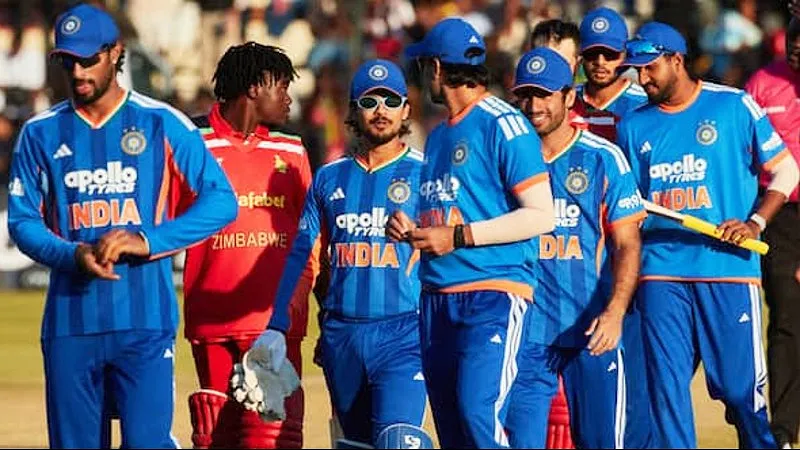

A 3-0 sweep looks emphatic on a scorecard, but India conceded 125, 129 and 157 runs across three matches against a team ranked outside the world’s top 15. Two bowlers did almost all the heavy lifting while the rest of the attack struggled badly for control and consistency. That gap matters more than the final scoreline suggests, because India’s next assignments this year will not offer nearly the same margin for error against batting lineups built specifically to punish exactly these weaknesses at the top of the order.
The 3-0 Scoreline Hides Real Concerns
Zimbabwe are ranked outside the top 15 in ICC T20I standings, with no current batter inside the global top 50 rankings. Against that calibre of opposition, the touring Indian attack still conceded 125, 129 and 157 runs across the three matches played in Harare.
The third match total of 157 stands out above the rest. India dropped several catchable chances in that innings, yet still leaked well over the total a mid-table T20I side should reasonably manage against a full-strength, well-rested bowling unit on a flat surface.
Two Quicks Carried The Attack Alone
Two bowlers were responsible for almost everything that went right. Mayank Yadav finished with 5 wickets from 11 overs at an average of 14.40, recording his best figures of the tour in the decisive third match. Prince Yadav returned 4 wickets from just 5.2 overs at a remarkable 7.25 runs per wicket, the standout economy rate of the entire series.
Bowler | Overs | Wickets | Runs Conceded | Series Average |
|---|---|---|---|---|
Prince Yadav | 5.2 | 4 | 29 | 7.25 |
Mayank Yadav | 11.0 | 5 | 72 | 14.40 |
Yash Thakur | 8.0 | 4 | 75 | 18.75 |
Ravi Bishnoi | 12.0 | 3 | 68 | 22.66 |
Ashok Sharma | 8.0 | 1 | 49 | 49.00 |
Abhishek Sharma | 2.0 | 0 | 18 | – |
Combined, that pair took nine of the fourteen wickets across the series while conceding barely a hundred runs between them. Everyone else on the team sheet struggled to match that level of control with the ball, and it showed clearly in the totals conceded.
India Vs Zimbabwe T20I Series 2026 Bowling
Yash Thakur took 4 wickets across two matches, but his average of 18.75 runs per wicket is a rate that would be punished far harder by batting lineups less generous with their wickets than this particular Zimbabwe side proved to be. Ravi Bishnoi managed just 3 wickets from 12 overs at 22.66, a modest return from the leg-spinner against a batting lineup he would normally expect to trouble far more often than this.
Ashok Sharma took a single wicket at a cost of 49 runs in his eight overs, and Abhishek Sharma went wicketless from his two tidy overs against the tail end of the batting order. The bowling card beyond the two standout quicks reads as a genuine worry heading into a much stronger set of assignments later this year.
Sterner Batting Lineups Change The Equation
For context, India’s 2024 tour to the same Harare venue produced Zimbabwe totals of only 115 and 129, against an attack that included the far more experienced Washington Sundar at the time. This year’s total of 157, with dropped catches inflating the number even further, offers a useful point of comparison rather than clear evidence of pure progress.
Against a top-five side such as Australia, England or South Africa, the depth problems exposed here would turn costly far more quickly than they did in Harare. Batting lineups at that level rarely offer the same number of forgiving chances during a full twenty-over run chase, and dropped catches there get punished almost immediately every time.
Selectors Now Face A Clear Decision Ahead
The tour produced two genuine findings in Mayank Yadav and Prince Yadav, both bowling with a level of control well beyond their limited international experience so far. The concern sits squarely with the third and fourth bowling options selected for this particular tour.
Thakur and Bishnoi combined for just six wickets across three matches against a batting lineup that gave its wickets away far more freely than most international sides ever will. Any full assessment of the India vs Zimbabwe T20I series 2026 bowling performance has to weigh that gap seriously before the squad faces a considerably stronger batting lineup with far less patience for dropped catches and half-chances.
Are Mayank Yadav and Prince Yadav enough to carry this attack against a top-five batting lineup? Share your verdict below.
Frequently Asked Questions (FAQs)
What were India’s bowling figures against Zimbabwe in 2026?
Mayank Yadav took 5 wickets and Prince Yadav took 4 across the three matches. Yash Thakur added 4 wickets, Ravi Bishnoi took 3, and Ashok Sharma picked up 1 on debut.
Why did India sweep Zimbabwe 3-0 in the T20Is?
Batting dominance from Sooryavanshi and Kishan carried India to all three wins. India won by 7 wickets, 90 runs and 35 runs in the three matches respectively.
Which Indian bowlers underperformed against Zimbabwe this tour?
Yash Thakur and Ravi Bishnoi were the two weakest links in the attack. Thakur averaged 18.75 runs per wicket, while Bishnoi managed only 3 wickets from his 12 overs.
What bowling concerns does India face before their next assignment?
The lack of proven depth beyond two frontline quicks is the biggest worry. India conceded 157 runs in the third match alone despite several dropped catches going in their favor.
How weak is Zimbabwe’s batting lineup in T20I cricket?
Zimbabwe sit outside the top 15 in the ICC T20I rankings. No player in their current batting lineup ranks inside the global top 50 by rating.