

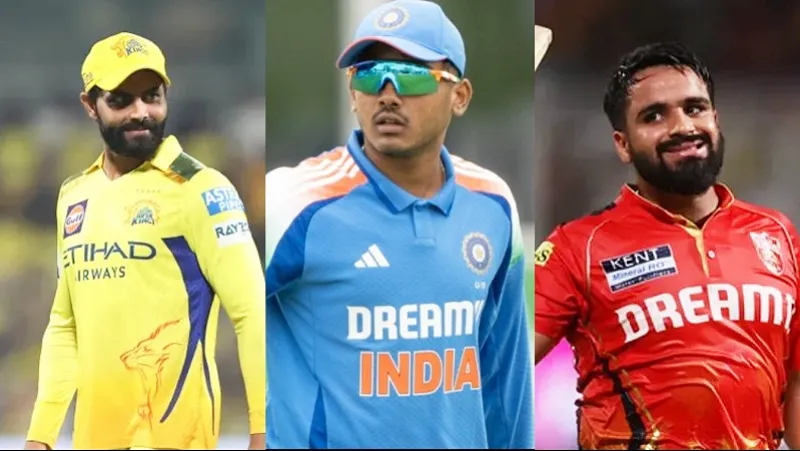

The IPL stars’ poor performance in Ranji Trophy 2025-26 is more than a red-ball statistic; it’s a form guide and confidence meter heading into the IPL 2026. Key domestic names like Ayush Mhatre, Abishek Porel, and Prabhsimran Singh struggled to convert starts, raising questions about their readiness for high-intensity franchise cricket. While Ranji numbers don’t directly decide selection, they do shape rhythm, perception, and role clarity, especially for younger players and those already under scrutiny from their IPL teams.
Ayush Mhatre
 Ayush Mhatre
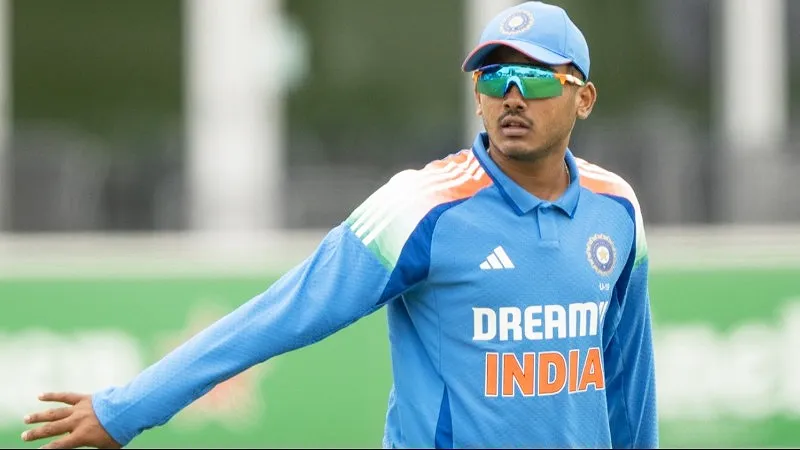
Ayush Mhatre entered the season as India’s U-19 captain and a long-term Chennai Super Kings project, but his Ranji returns were modest: 85 runs in four innings at an average of just over 21. On a flat deck where Mumbai piled up 630/5, he only managed 35, suggesting issues with building long innings even when conditions favoured batters.
Tactically, Mhatre’s game is built on positive strokeplay and tempo ideal for T20, but red-ball cricket demands leaving well outside off, tighter defence, and longer concentration spans. For CSK, that raises a clear question: do they back his upside in IPL 2026, or insulate him with a lower-pressure role until his first-class game matures?
Abishek Porel
 Abishek Porel
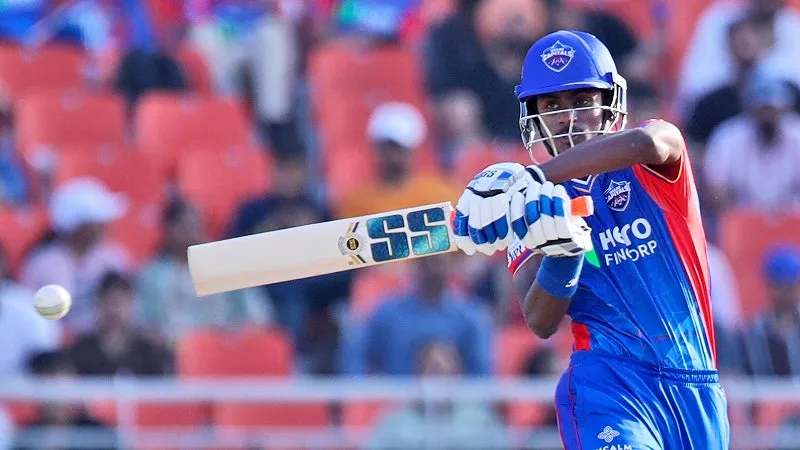
Abishek Porel had a mixed Ranji group stage: 84 runs in four innings at an average of 21, with one fifty against Gujarat and three underwhelming outings. His first-class average hovering around the low 30s hints at potential, but he has yet to “explode” as a consistent run-getter.
Porel’s recent white-ball performances have looked brighter, but IPL 2026 player form projections will depend on whether he can tighten his defence and expand his scoring options, especially if he’s competing with more explosive keeper-batters in the Indian T20 League.
Prabhsimran Singh
 Prabhsimran Singh
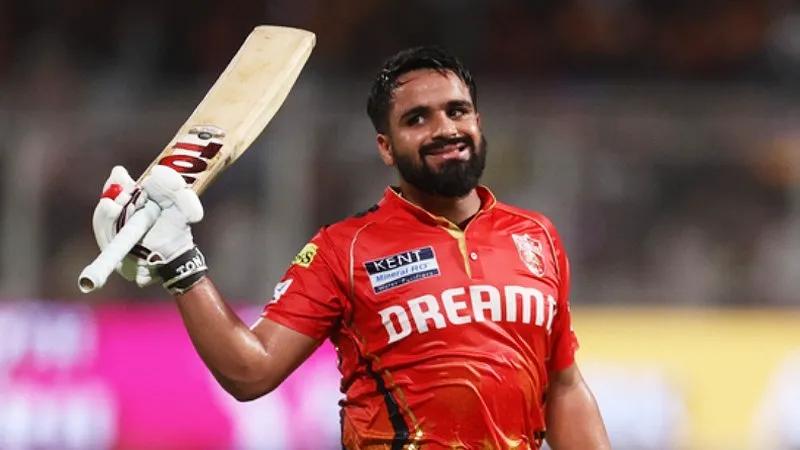
Prabhsimran Singh was one of Punjab’s leading openers during the IPL but had a poor performance throughout the Ranji group stage scoring 166 in his last 5 games with a sub-20 run average, and no innings were able to reach the 50-run mark with a best of 44, which shows that he got started but could never be able to get out of the gate consistently as is typical of limited red ball patience and issues of shot selection after becoming comfortable.
In T20 cricket, he is most valuable when he gets off to fast start in the power play but in red ball cricket his tendency to take on the new ball with reckless abandon and hit hard is likely to result in some punishment from the bowlers that will be targeted at him as an area of attack in his upcoming matches in the Indian T20 league 2026.
Ravindra Jadeja
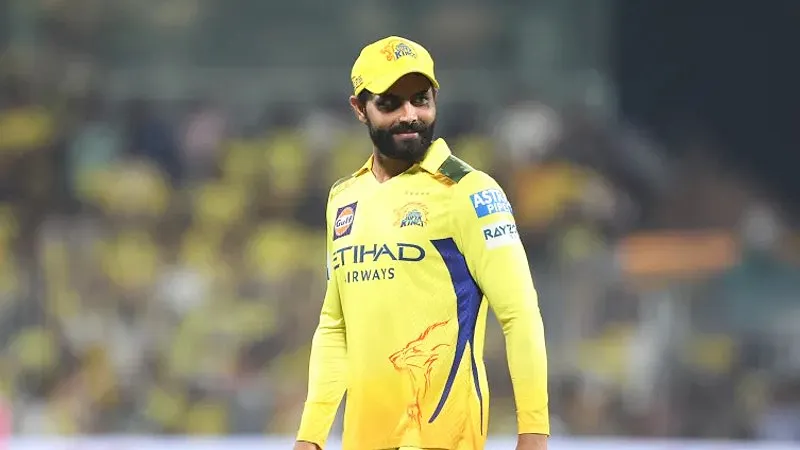 Ravindra Jadeja
Jadeja’s statistics are quite shocking for a cricketer of such caliber; Jadeja has managed to score only 89 runs from three games, averaging close to 30, while Jadeja has managed to take only three wickets with an overall bowling average above 80. At the group stage, Jadeja had the worst average for all of Saurashtra’s bowlers, which is a far cry from Jadeja’s usual consistency & threat on slow wickets.
When it comes to an experienced all-round player, two concerns arise from the bowling and batting performance. The first concern is that he has not provided enough “bite” with his bowling. He could be experiencing this as a result of either his current workload, the way the ball has reacted, or due to the less responsive nature of the pitches that he has bowled on in recent matches.
The collective story of these players is clear: IPL stars’ poor performance in Ranji Trophy 2025-26 highlights gaps in temperament, technique, or adaptability that franchises must account for before the T20 League. For younger names like Ayush Mhatre, Abishek Porel, and Prabhsimran Singh, the key risk is confidence and perception; coaches may shield them, change their roles, or push them down the order.
Key Takeaway
Poor Ranji numbers don’t doom a player’s IPL season, but for these five underperformers, they narrow the margin for error and could reshape their 2026 roles.
FAQs
What is the link between Ranji Trophy form and IPL selection?
Ranji form doesn’t directly decide IPL contracts, but it influences how coaches view a player’s confidence, fitness, and ability to handle pressure, which can affect roles and playing time.
How does poor first-class form affect IPL 2026 player form?
If technical or mental issues from red-ball cricket aren’t addressed, they can carry into T20s as early dismissals, loss of rhythm, or lack of trust from team management.
Can a strong SMAT or VHT season offset weak Ranji numbers?
Yes. For T20-focused teams, recent Syed Mushtaq Ali and Vijay Hazare performances are often more relevant than Ranji stats when assessing short-format readiness.
Is the Ranji Trophy still important for T20 specialists?
It is useful for building temperament, shot selection, and bowling discipline, even if T20 leagues like the Indian T20 Leagues in 2026 ultimately judge players more on short-format impact.