

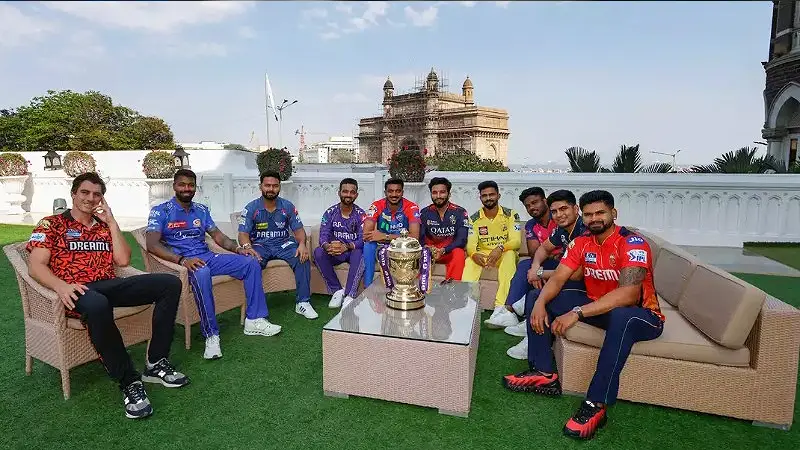

The captains’ meeting before an IPL season is usually procedural. This one wasn’t. Ball replacement restrictions in the second innings. The Impact Player rule is getting another layer of complexity. A two-bouncer allowance per over. Stricter enforcement of bat checks and fielding restrictions. Any one of those changes demands a tactical rethink. All four together means captains who arrived at the meeting with a fixed game plan left needing to rebuild parts of it. Mumbai Indians, Chennai Super Kings, KKR, RCB, none of them go into IPL running the same playbook they ran last season. The rules won’t allow it.
The Ball Replacement Rule Changes Everything
Here’s what captains are actually worried about. The refined ball replacement rule restricts when they can request a change in the second innings, specifically after the 10th over. That sounds minor until you’re KKR chasing 170 under heavy dew with a ball that’s skidding off the surface and your spinners can’t grip it. The captain who times that ball change request correctly gains a genuine tactical edge. The one who asks too early wastes the opportunity. Too late, and the innings are already decided. This is the rule change with the most direct match impact, and it’s the one that will create the most controversy when it gets called wrong in a close finish.
Impact Player Decisions Got More Complicated
The Impact Player rule was already the most debated tactical tool in the IPL. Now it demands sharper pre-planning rather than reactive thinking. Teams like RCB and Punjab Kings, squads built around batting depth, have to decide before the match whether they’re bringing in an extra batter or an extra bowler, and that decision changes depending on whether they’re batting first, the pitch behaviour in the first ten overs, and what the opposition’s Impact Player selection signals. Captains who make that call instinctively and correctly win close matches. Captains who hesitate or misread the conditions hand the opposition an advantage they didn’t earn.
IPL 2026 Addresses the Dew Problem
Dew in night matches has distorted IPL results for years. Chasing teams across recent IPL seasons have held a measurable win advantage specifically because wet outfields and slippery balls make bowling in the second innings genuinely harder. The updated ball change rule in IPL 2026 is a direct response to that imbalance. Rajasthan Royals and Lucknow Super Giants, both squads that rely on bowling variations, benefit most from a structured opportunity to request a fresh ball when conditions compromise grip. It won’t eliminate the dew advantage entirely. It gives the fielding captain a legitimate counter rather than just accepting the conditions.
Two Bouncers Change the Powerplay Calculation
The two-bouncer rule per over gives fast bowlers a weapon they’ve been missing. One bouncer per over was predictable. Batters knew it was coming and planned accordingly. Two per over means the second bouncer arrives at a different point in the over, from a different bowler, at a different stage of the batter’s innings. The surprise element returns. For teams with genuine pace, Lahore, MI, and RCB with their overseas quicks, this is an offensive tool in the powerplay that opens up attacking fields. For batting-heavy sides, it demands better pull shot technique and sharper decision-making early in the innings.
The captains who adapt to all four changes quickly will win matches they would previously have lost. The ones who treat this meeting as procedural will find out the hard way that the rules have genuinely shifted.
- Which team benefits most from these rule changes, and which captain will struggle most to adapt? Drop your take and follow for IPL updates.
FAQs
What is the main focus of the IPL captains’ meeting agenda 2026?
It primarily focuses on rule clarifications, including ball replacement, Impact Player usage, and match conduct regulations.
How does the new ball change rule affect IPL matches?
It gives captains limited control to counter dew conditions, impacting bowling strategies in the second innings.
Why is the Impact Player rule important for teams like the Mumbai Indians?
It allows flexible team combinations, helping balance batting and bowling based on match situations.
Can the IPL captains’ meeting agenda influence match results?
Yes, because rule clarity directly shapes tactical decisions made during crucial moments of a game.