

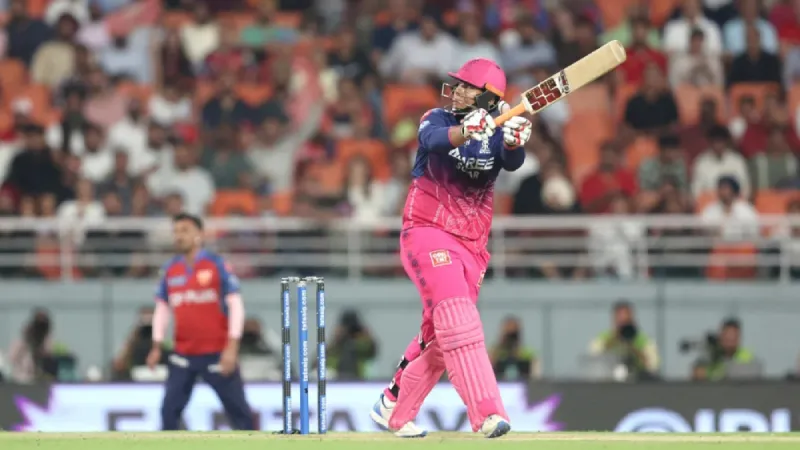

A social activist has threatened legal action against the Rajasthan Royals, claiming a 15-year-old should not be participating in a high-pressure professional league under child labour regulations. The complaint emerged while Vaibhav Sooryavanshi was producing some of the tournament’s most explosive batting performances. His talent triggered the spotlight. The spotlight triggered the controversy. What the debate actually reveals goes considerably beyond one FIR threat against one franchise.
The Activist Claim and Legal Threat
CM Shivakumar Nayak publicly stated that the Rajasthan Royals were violating child rights by allowing a minor to compete in the IPL. His argument centred on education being a priority over professional sport and warned of formal complaints under child labour laws.
The threat became viral because it introduced a legal and ethical dimension into what had been a straightforward cricket success story. IPL franchises regularly develop young talent through academies and contracts, but this incident moved the conversation beyond cricket into public policy and athlete welfare. Social media amplified the debate within hours of the statement becoming public. Supporters immediately defended Sooryavanshi’s obvious talent and maturity. Critics raised questions about whether Indian cricket has adequate safeguards for teenage prodigies entering a global commercial spotlight before they’ve finished school.
IPL 2026 Numbers Behind the Controversy
Across IPL 2025 and IPL 2026, Sooryavanshi scored 656 runs from 17 matches at an average of 38.59 and a strike rate above 224. Two centuries and three fifties across that span confirm the consistency behind the headline numbers. Those statistics explain why a 15-year-old became one of the tournament’s most discussed players and why the FIR threat gained traction rather than being dismissed immediately.
His powerplay batting specifically made the debate impossible to ignore. Rajasthan Royals deployed him in attacking matchups where field restrictions and batting-friendly conditions allowed maximum early scoring. He dominated experienced international bowlers with a fearlessness that made him appear considerably older than his age. The better he performed, the more attention arrived, and the more attention he received, and the more the question of whether that attention was appropriate for a teenager became impossible to avoid.
Child Rights Debate Divides Indian Cricket
The legal complaint produced divided reactions because professional sport occupies a genuinely complicated space between child labour definitions and elite athlete development. Supporters argued that cricket academies, contracts, and sports governance structures are designed differently from traditional labour environments and that exceptional young athletes have always entered professional frameworks early.
Critics countered that media pressure, public scrutiny, and commercial expectations create emotional burdens that standard athlete development frameworks weren’t designed to manage. The Rajasthan Royals controversy became less about whether a specific law was broken and more about whether Indian cricket’s current structures adequately protect teenage prodigies from the pace at which modern T20 celebrity arrives. Previous generations of young cricketers entered professional environments without social media, global broadcast deals, and real-time public opinion shaping their experience from their first innings onward.
Technical Reasons His Success Is Real
The public debate largely missed why his IPL success isn’t built on favourable conditions alone. Sooryavanshi’s bat speed against pace, quick trigger movement, and willingness to attack length deliveries immediately separate him from young batters who accumulate runs through patience rather than skill.
His ability to read slower balls is the most unusual quality for a teenager. Most batters at 15 rely on reaction and power. Sooryavanshi adds anticipation, which means he’s processing match situations rather than just responding to deliveries. Sustaining that level requires technical evolution against high-quality spin attacks as pitches vary, workload management across formats, and careful handling by coaching staff who understand that a 15-year-old producing adult-level performances is still a 15-year-old.
- Does Indian cricket need formal age-based safeguards for teenage IPL players, or should performance alone determine who competes at the highest level? Drop your pick in the comments and follow for IPL updates.
FAQs
Q: What is the Vaibhav Sooryavanshi child labour controversy about?
A social activist threatened legal action against the Rajasthan Royals, claiming a 15-year-old minor shouldn’t play in a professional league.
Q: How old is Vaibhav Sooryavanshi in IPL 2026?
Sooryavanshi is 15 years old during this IPL, making him one of the youngest players to feature in the tournament.
Q: Can minors legally play in the IPL?
No IPL rule completely bans minors, but franchises are expected to follow player welfare and protection guidelines set by cricket authorities.
Q: Why did the Rajasthan Royals FIR threat go viral?
It combined a teenage star’s outstanding performances, child rights legal questions, and social media debate into a single high-profile story.
Disclaimer: This blog post reflects the author’s personal insights and analysis. Readers are encouraged to consider the perspectives shared and draw their own conclusions.