

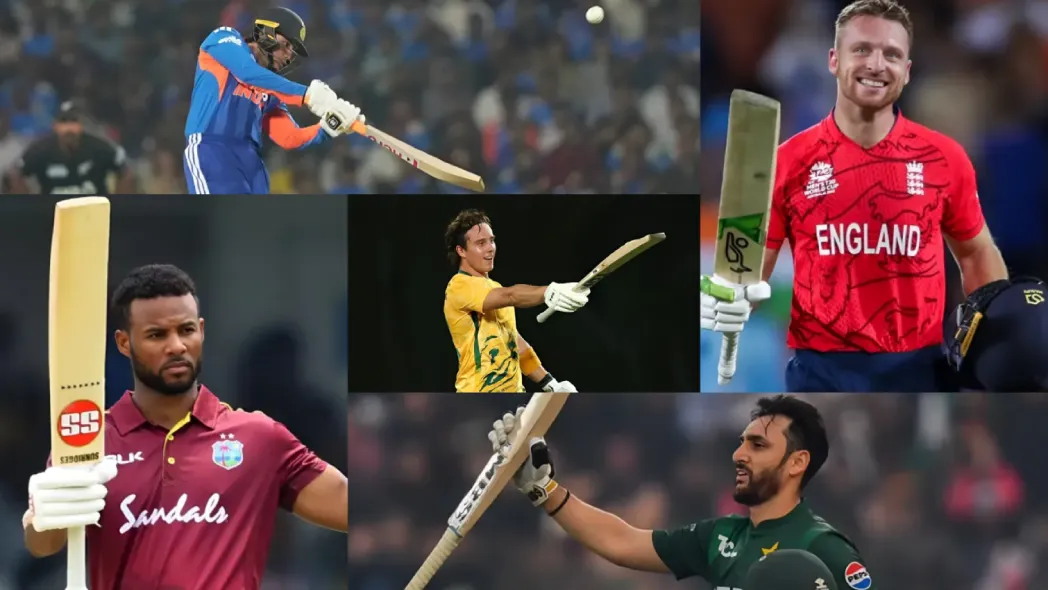

The batters to watch at T20WC are the players most capable of controlling matches in high-pressure Powerplay and death-over phases. This tournament is expected to reward early aggression, boundary efficiency, and role clarity, thus making top batters in the tournament more influential than ever. Players like Abhishek, Brevis, Buttler, Hope, and Agha enter the event with strong recent form, defined batting roles, and proven adaptability to elite bowling attacks. Understanding why these hitters stand out helps explain how teams may shape totals and chase strategies throughout the World Cup.
Abhishek Sharma (India)
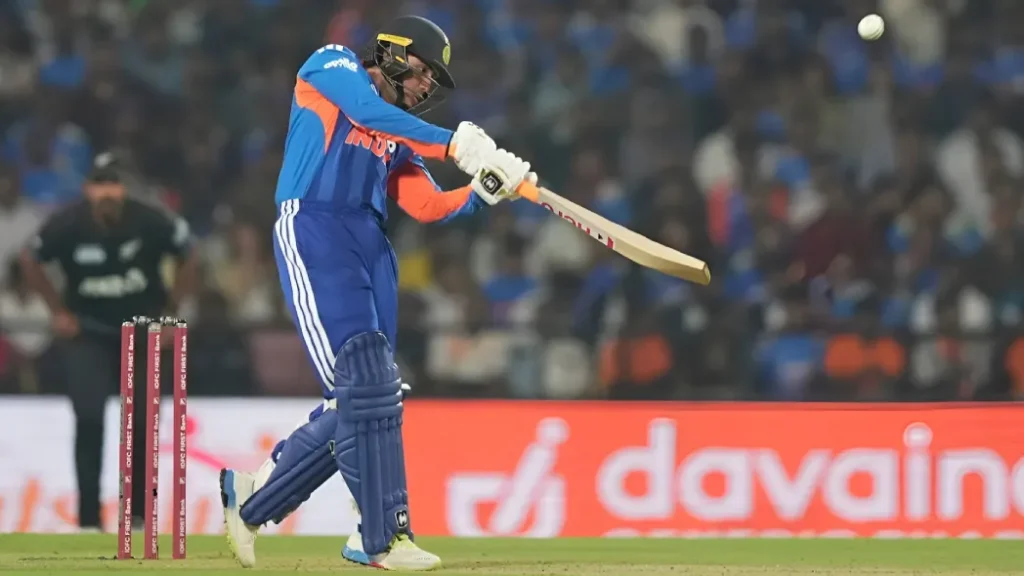 Abhishek Sharma
Abhishek Sharma‘s greatest asset is being able to Powerplay domination, which is a key feature on Indian surfaces. Sharma has an aggressive left-handed batting style and will target the opening bowlers early with pace so as to force the captain to make adjustments to their field placement inside the first 6 overs. Sharma is one of the most prolific boundary hitters in the current crop of players in T20Is, especially when bowling against a new ball seam. The flat pitches India typically produces are expected to allow Sharma to consistently start rapidly scoring runs (40-60) and provide India with consistent momentum.
Dewald Brevis (South Africa)
 Dewald Brevis
Brevis gives South Africa an extremely unique asset: sustained high strike rates without heavy risk exposure. He has one of the highest strike rates in T20I cricket compared to other top-tier players. The reason that Brevis stands out as a batsman is because of his ability to hit the ball over the field and clear both straight and square boundaries; this makes it very hard for bowlers to bowl him out on good batting pitches. With Brevis’s ability to hit the ball all around the ground, South Africa can continue to score at high rates in knockout games when they lose wickets in places that have short boundaries on all sides.
Jos Buttler (England)
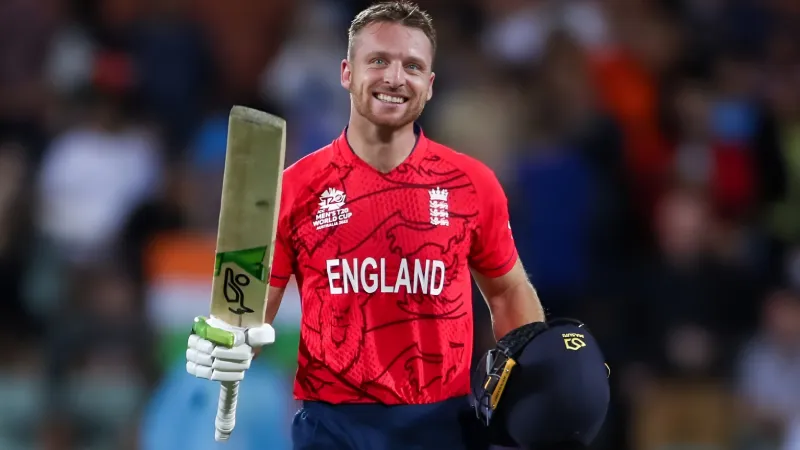 Jos Buttler
Jos Buttler is one of the few batters who has an enormous impact upon T20 tournaments; with extensive experience across multiple T20 World Cup 2026 matches and IPL seasons, Buttler provides England a unique option for batting flexibility to respond to changing circumstances within each match. Buttler is able to both score quickly at the top of the order during the power play and ensure that England are never out of reach during a chase, as needed by the match context. In terms of statistics, Buttler ranks amongst the most successful six hitters and run scorers in T20I cricket history.
Shai Hope (West Indies)
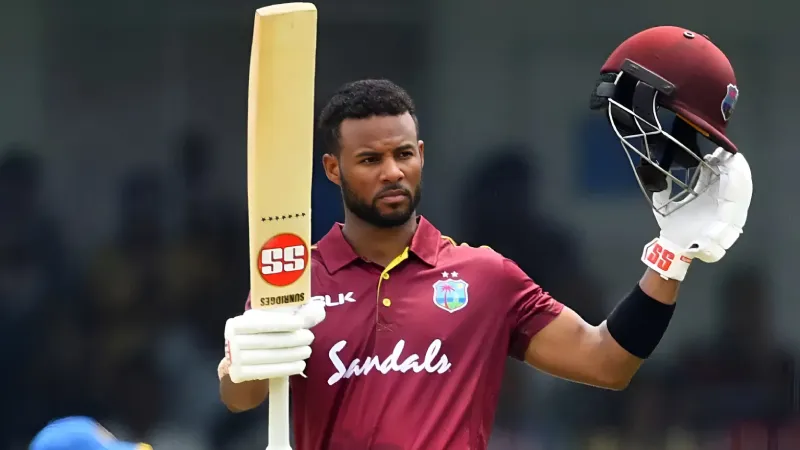 Shai Hope
Shai Hope’s value stems from a measured, aggressive approach as opposed to explosive strength. The majority of powerful hitters for the West Indies tend to be more one-dimensional in their approach to the game compared to Hope. He maintains a competitive strike rate while controlling the pace of the innings. On two-paced or spinning wickets, the reckless nature of many hitters can lead to collapse, and Hope’s ability to maintain control will add greater stability to the team, particularly in situations that allow the West Indies to chase lower totals.
Salman Ali Agha (Pakistan)
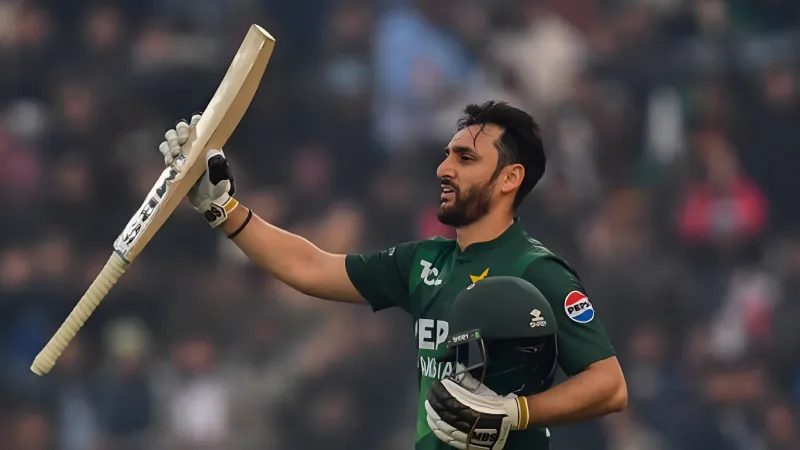 Salman Ali Agha
Agha has evolved into a (multi-phase batter) who will hit through the middle order (No.3). He has become key to Pakistan’s ability to stabilize the first few wickets and maximize their Powerplay scoring potential. Agha offers different levels of value compared to the pure hitter. The main value that he offers is the ability to adapt his style of play depending on what situation requires, i.e., be aggressive or focus on accumulating runs.
Abhishek and Brevis offer powerplay acceleration, Buttler provides unmatched experience and adaptability, hope produces composure under pressure, and Agha delivers situational balance. With flattering pitches and increasing scoring expectations, teams with batters who can control tempo throughout phases will gain a significant advantage. These players are likely to be match narrative-setters – either by way of explosive starts, stable innings, or authority at the close.
Key Takeaway
T20WC is decided by batters who control Powerplay momentum and adapt to conditions, and these five fit that profile best.
FAQs
Why are the top batters in the T20 World Cup 2026 so important?
Higher scoring rates mean early dominance often decides match outcomes.
How does Jos Buttler impact England’s T20 strategy?
He offers flexibility to attack early or anchor chases depending on match needs.
Which young batter could dominate the 2026 tournament?
Dewald Brevis has the strike rate and range to thrive on true batting surfaces.
Can Salman Ali Agha succeed at No.3 in T20Is?
Yes, his adaptability makes him effective across both Powerplay and middle overs.
Disclaimer: This blog post reflects the author’s personal insights and analysis. Readers are encouraged to consider the perspectives shared and draw their own conclusions.