



There’s an interesting paradox in Australian Cricket. They tend to be the last to adopt the international trend of T20, but they are among the best at winning the tournament when it really counts. Moving forward to the 2026 T20 World Cup with India and Sri Lanka as Co-Hosts, there is a new direction to the story.
With the tournament played in spin-heavy, humidity-drenched conditions, raw pace and flat-track slogging won’t suffice. Australia has five specific players who don’t just fit the system; they are the system. These men represent a shift from generalist excellence to specialist precision, a necessary evolution if the Aussies intend to silence the roaring crowds in Mumbai or Colombo.
Travis Head, The Destructive Opener: Orchestrating Chaos in the Powerplay
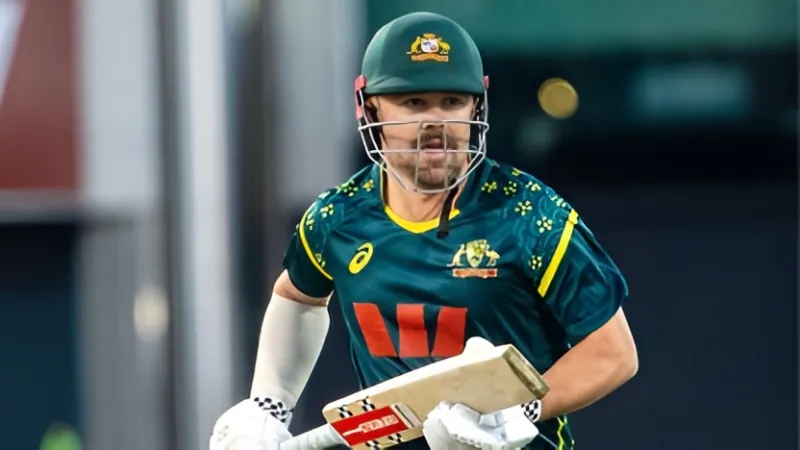 Travis Head
If traditional opening batting is a classical concerto, Travis Head is heavy metal played at maximum volume. His value in India and Sri Lanka cannot be overstated. In sub-continent conditions, the ball softens rapidly, and spin chokes the middle overs; therefore, the Powerplay is not just an opportunity, it is a necessity. Head’s extensive IPL experience has taught him that waiting is fatal. He is expected to “blast” not through reckless slogging, but through high-percentage aggression that breaks the opposition’s morale before the field spreads.
Mitchell Marsh, The Captain & All-Rounder: Setting the Tempo with Aggressive Leadership
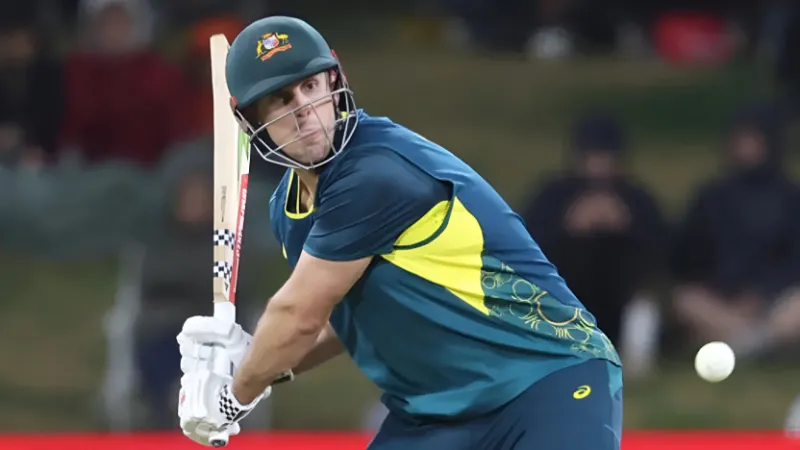 Mitchell Marsh
The weight of captaincy is often burdensome; however, Mitchell Marsh seems to view it as a way to counterweight swinging at the ball harder. As an opening batsman, he is the fulcrum of all other batters for the Australian side. His recent statistics (37.83 batting average; 158.19 strike rate) indicate that he has reached his career best form. However, the true value of Marsh extends beyond statistical evidence. There is nothing more valuable when playing in the humid conditions of Sri Lanka and India than having a top-of-the-order batter who can provide bowling duties in the heavy over periods.
Tim David, The Premier Finisher: Providing the X-Factor in the Dying Overs
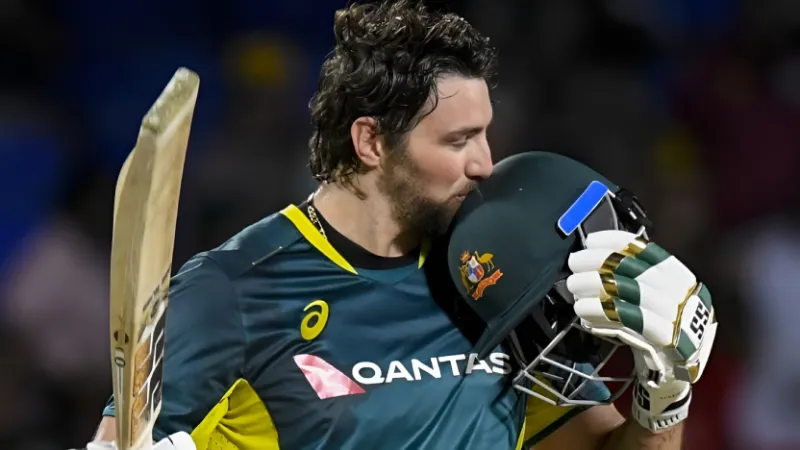 Tim David
Tim David is the modern version of the T20 mercenary who has been turned into a national weapon, and is arguably the most specialized player in the team, playing what is arguably the most unstable role in cricket, the death overs finisher. In India, as many games are decided by the last 12 balls, the ability for Tim David to hit long boundaries off slow balls and reverse swing yorkers is an actual game-changer; he has developed from being just a slogger to a full-time batter. However, the caveat remains how physically fit he is.
Adam Zampa, The Leg-Spinner: Weaving Webs in Sub-Continent Conditions
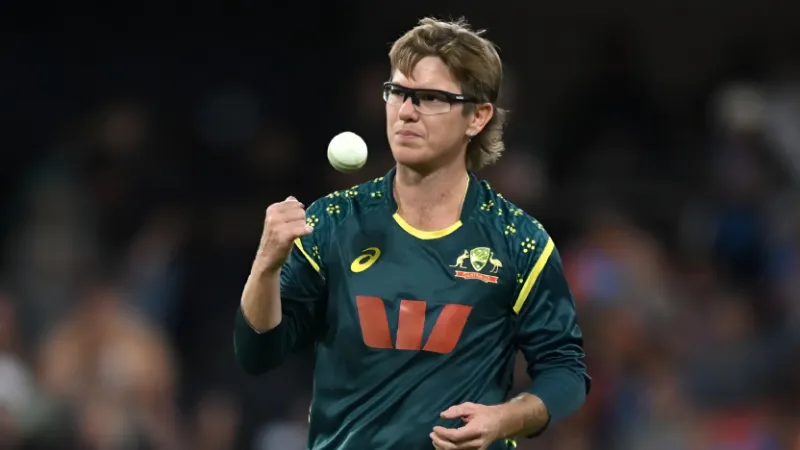 Adam Zampa
It may be the batters who get the glory, but teams that win big tournaments in India and Sri Lanka have always had the best spin bowlers. Adam Zampa is no longer a supporting actor as the lead bowler for Australia’s bowling unit. With experience, guile, and a nonchalant attitude to being hit, Zampa is there to control the middle overs where games often meander. In environments that are conducive to spinning a ball, Zampa can take wickets with the subtle variation of his pace and targeting of stumps.
Nathan Ellis, The Death Specialist: Filling the Void in the Pace Attack
 Nathan Ellis
Stepping into the shoes of Mitchell Starc is an enviable task, but Nathan Ellis offers a different, perhaps more suitable, skill set for Asian conditions. Starc relied on swing and pace; Ellis relies on deception and skiddy trajectory. As Australia’s leading T20I wicket-taker this year, Ellis has proven he has the temperament for the death overs. On slower Indian pitches, his cutters, back-of-the-hand slower balls, and yorkers are often harder to hit than 145kph thunderbolts.
They have covered all aspects of the game, such as the early Powerplay onslaught, the mid-over choke with spinners, and the late-over chaos. The departure of the greats, such as Starc, has put pressure on the new group, but the absence has opened up opportunities for the specialists, such as Ellis. If each of the five players performs at their best, then they can dominate and dictate the terms in India and Sri Lanka rather than simply being participants.
Key Takeaway
Australia’s success in 2026 relies on a “Horses for Courses” strategy, replacing raw star power with specialist precision suited for Asian conditions.
FAQs
1. Why is Travis Head crucial for the T20 World Cup in India?
His IPL experience and ability to maximize the Powerplay before spin takes over make him essential for sub-continent tracks.
2. Who is replacing Mitchell Starc in the T20 format?
Nathan Ellis has stepped up as the primary death bowler, leading the wicket-taking charts with his deceptive variations.
3. What makes Tim David an X-factor for Australia?
His ability to score rapidly in the middle and death overs against older balls makes him a unique asset for finishing games.
Disclaimer: This blog post reflects the author’s personal insights and analysis. Readers are encouraged to consider the perspectives shared and draw their own conclusions.
Step into the world of cricket with JeetBuzz News—where expert opinions, trending Blogs, and behind-the-scenes insights meet all your favorite topics. Stay informed, stay entertained, and never miss the stories shaping the cricketing world—only on JeetBuzz News!