

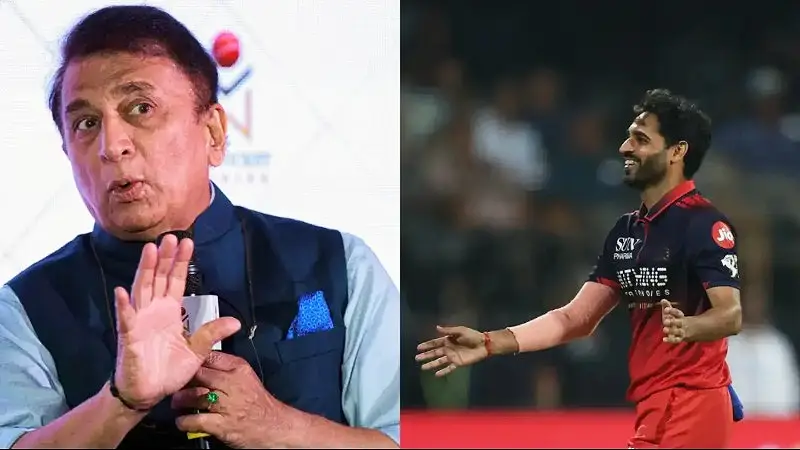

Sunil Gavaskar’s proposal is straightforward: any bowler who takes three wickets in their four-over allocation earns a fifth over. The suggestion arrived during a season producing massive totals on batting-friendly surfaces, and it landed with genuine force. Flat pitches, short boundaries, and strict wide interpretations have shifted cricket’s oldest contest decisively toward batters. Gavaskar isn’t asking for balance to be restored through luck or conditions. He’s proposing a structural rule that rewards the specific skill bowlers most need to develop.
Gavaskar Targets the Batting Imbalance
The core argument behind the proposal is that modern T20 cricket gives batters almost every structural advantage before a ball is bowled. Surfaces are prepared to minimise movement. Boundaries are shortened to maximise scoring. Bowling restrictions limit how aggressively captains can attack.
Gavaskar’s concern isn’t entertainment. It’s contest quality. A match where the result feels inevitable by the 10th over because the batting side scored 110 in the powerplay isn’t necessarily a better product than one where bowling creates genuine uncertainty deep into the second innings. His proposal attempts to give bowlers a structural incentive that the current format removes entirely. Containing runs earns nothing extra. Taking wickets earns nothing extra. A fifth over for three wickets changes that calculation immediately.
Third Wicket Earns the Reward
The three-wicket threshold is the most important design detail in the proposal. It’s demanding enough that defensive bowlers can’t earn the extra over through attrition, but achievable enough that genuinely threatening bowlers reach it regularly.
A bowler who removes two top-order batters and a dangerous middle-order threat in four overs has already changed the match. Giving that bowler another over introduces them to the phase where their presence matters most again. Captains would approach their best wicket-takers differently if the reward structure existed. Bowling a strike bowler conservatively to protect their economy figures becomes less logical if three wickets unlock an additional over at the death. Attacking intent from bowlers gets structurally incentivised rather than tactically discouraged.
IPL 2026 Totals Force the Debate
IPL 2026 has seen several matches cross 200 comfortably against experienced bowling attacks, which is precisely the competitive environment, making this proposal feel timely rather than theoretical. Batters maintain aggressive scoring rates even against quality attacks because preparation plans, range-hitting development, and favorable conditions have given them tools that weren’t available a decade ago.
Gavaskar referenced Bhuvneshwar Kumar’s four-wicket spell specifically. A bowler taking four wickets currently gets the same four overs as a bowler who took none. That structural equality between impact and non-impact bowling is the precise imbalance his proposal addresses. His recommendation to test the concept in domestic tournaments like the Syed Mushtaq Ali Trophy before any global implementation gives the idea practical credibility beyond headline value.
Tactics Would Shift Completely
If three wickets unlocked a fifth over, franchise bowling combinations would be redesigned around that possibility. Teams would invest more heavily in wicket-taking fast bowlers at auction rather than economical all-rounders who simply complete overs without generating breakthroughs.
Captains would use their best bowlers more aggressively in the powerplay, knowing the extra-over opportunity could still arrive later. Spinners who force attacking mistakes in the middle overs would become more valuable because their wicket-taking potential gains a tangible additional reward. The auction economics shift when a bowler’s strike rate carries structural match value beyond their personal figures. That shift encourages a more attacking approach from every bowling unit, which is exactly the competitive balance Gavaskar believes T20 cricket is currently missing.
- Does Gavaskar’s fifth-over proposal fix T20’s bowling crisis, or does rewarding wickets with more overs create tactical problems bigger than the ones it solves? Drop your pick in the comments and follow for the latest updates.
FAQs
Q: What exactly is Sunil Gavaskar’s IPL rule change proposal?
Gavaskar suggested that bowlers taking three wickets in their standard four-over allocation should earn a fifth over as a reward.
Q: Why is Gavaskar’s five-over proposal gaining traction this season?
Repeated 200-plus totals on batting-friendly surfaces have made the bat-versus-ball imbalance impossible to ignore across the tournament.
Q: How would the fifth-over rule change T20 bowling tactics?
Captains would attack more aggressively with strike bowlers early, knowing a third wicket could unlock an additional over at the death.
Q: Where does Gavaskar suggest testing this rule before IPL introduces it?
He recommended trialling the concept in domestic tournaments like the Syed Mushtaq Ali Trophy before any major league implementation.