

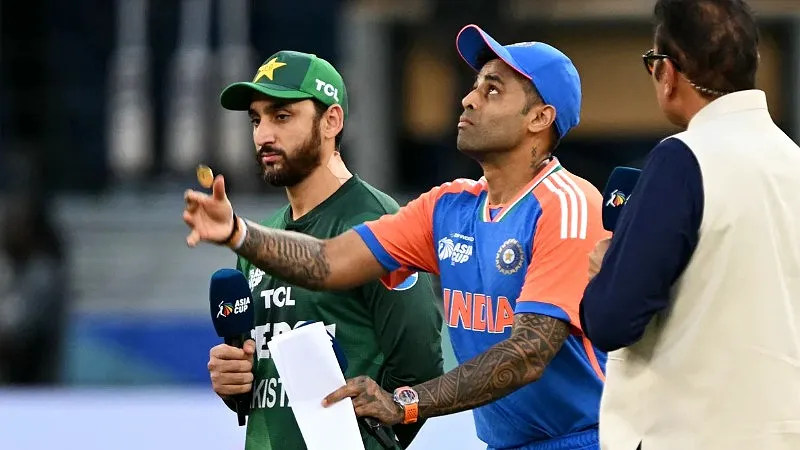

The India vs Pakistan T20 World Cup 2026 match was approved after coordinated intervention from the ICC and the Pakistan government, ending days of uncertainty over a potential boycott. Pakistan agreed to play India following ICC-led negotiations that addressed participation commitments, financial implications, and broader tournament stability. The ICC decision on India Pakistan match also confirmed Colombo as the neutral venue, removing security and diplomatic roadblocks. This development officially ends the Pakistan boycott India T20 debate and confirms one of the most anticipated fixtures of the tournament.
ICC’s Role in Ending the Standoff
The ICC acted as chief mediator once it became apparent that the long-term continuation of the boycott was damaging to the credibility of the tournament. The ICC’s decision about participation for the India-Pakistan match rested largely upon the full enforcement of the participation agreements signed by all full members’ Boards. These agreements require each team to honour all scheduled matches and to give protection to broadcasters, sponsors, and associate nations that depend on a shared revenue stream. Because of the coordination of multiple Boards (including Sri Lanka and the UAE), the ICC created a level of pressure that made it untenable for any one of the Boards to refuse to participate.
Pakistan Government’s Final Directive
The Pakistan government’s decision, cricket-wise, proved decisive. After diplomatic discussions with Sri Lanka’s leadership, Islamabad formally directed the national team to take the field. This move allowed the PCB to comply without appearing to reverse its political stance independently. Framing the decision around “the spirit of cricket” and global continuity gave Pakistan an exit that preserved domestic optics while meeting international obligations under ICC governance.
Why Colombo Became the Chosen Venue
Colombo, the location of the India vs Pakistan match, was chosen to minimize the logistical and security challenges while ensuring that the legacy match will remain financially viable. Colombo has proven experience hosting high-risk matches and has both an ideal location geographically in the centre of the Asian continent and excellent broadcast capabilities, thus making it the safest alternative to host the match. Historically, neutral venues have resulted in the least friction between India and Pakistan, and therefore, Colombo was used to follow the established ICC model, where matches have been held in a neutral venue.
Financial Stakes Behind the T20 World Cup 2026 Decision
India–Pakistan matches are consistently the highest-revenue fixtures in ICC tournaments. Broadcasters structure advertising cycles, sponsorship deals, and scheduling around this single game. A boycott would have reduced revenue pools shared with smaller boards. While exact figures were not disclosed, the ICC’s urgency reflects how one missing match can disrupt an entire tournament’s financial ecosystem, a factor that heavily influenced PCB ICC negotiations, T20 World Cup-wide.
Various factors went into bringing about the decision to have the India vs Pakistan match happen in 2023: rules of governance, financial reality, and the use of diplomatic outreach were all part of the basis upon which this occurred. Pakistan has agreed to play its match against India only after it managed to negotiate a face-saving political outcome with India. The ICC has protected the financial base of the tournament by enforcing participation requirements.
Additionally, the match will be played at a neutral site in Colombo, which reduces logistical risk. The information in this example demonstrates that any future threat of a boycott by one side will be met with the same intensity of resistance, which will continue to provide ICC tournaments a level of protection from the political ramifications of bilateral relations.
Key Takeaway
The India–Pakistan clash went ahead because ICC governance and financial realities ultimately outweighed political brinkmanship.
FAQs
Why did Pakistan initially boycott the India match?
Due to political tensions and concerns over perceived ICC inconsistency in handling member disputes.
How did the ICC resolve the India-Pakistan match issue?
Through multilateral negotiations and the enforcement of participation agreements.
Why is Colombo hosting the India vs Pakistan match?
It offers a neutral, secure venue with strong broadcast infrastructure.
Can Pakistan refuse future ICC matches against India?
Only at the risk of penalties or tournament exclusion under ICC rules.
Is this ICC decision final for the T20WC?
Yes, the fixture is officially confirmed and locked into the schedule.