

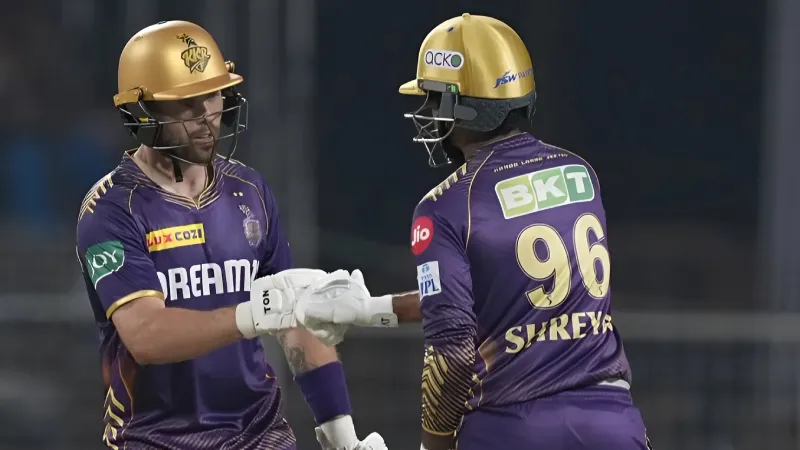

Phil Salt scored 435 runs in 12 innings at a strike rate of 182 with four half-centuries in KKR’s title-winning campaign. Shreyas Iyer scored 351 runs in 14 innings at 146.86 with two fifties while captaining the side. KKR released both. Anil Kumble’s response was direct; removing a title-winning captain and a 182-strike-rate opener simultaneously is not squad evolution, it is structural dismantling of a championship core. The debate his comments sparked reflects a broader question about franchise cricket that every IPL team eventually confronts: when do you break up a winning combination, and when is that decision a mistake you recognise too late?
Why Kumble’s Criticism Carries Weight
Kumble’s specific objection was about the simultaneous nature of the release rather than the individual decisions in isolation. Releasing a captain forces a leadership rebuild. Releasing a powerplay striker forces a batting structure rebuild. Doing both in the same auction cycle forces both rebuilds simultaneously, at a franchise that won the title using precisely the combination being dismantled.
The tactical logic for retaining both was straightforward. Salt’s 182 strike rate in the power play is among the highest produced by any IPL opener across recent seasons. Iyer’s captaincy provided the leadership continuity that long tournaments require, the institutional knowledge of how to win crucial matches that new captains must develop through experience rather than inherit. Losing both meant KKR entered 2026 rebuilding their leadership identity and their top-order structure from the same point simultaneously.
What the Numbers Confirmed About Both Players
Salt’s four half-centuries across 12 innings at 182 strike rate confirmed he was not producing his title-campaign returns through luck or favourable conditions; it was sustained powerplay dominance across different venues, opposition attacks, and match situations. A batter who scores at 182 across 12 innings in a single tournament is not in form. He is at the peak of his ability. Releasing him immediately after that peak performance is the specific timing decision that Kumble’s criticism targeted.
Iyer’s 351 runs at 146.86 represent a middle-order captain who contributed with both bat and tactical decision-making simultaneously. His two half-centuries both came in high-pressure match situations, the type of innings that confirm a batter’s value is situational rather than statistical. Numbers confirm his impact. Context confirms why the numbers understated it.
IPL 2026 Implications for Kolkata Knight Riders
The IPL 2026 opening phase will provide the first evidence of whether KKR’s squad reconstruction has replaced what Iyer and Salt provided or simply filled the positions with different players producing different outputs. Cameron Green, Matheesha Pathirana, and Rachin Ravindra are strong additions, but none of them directly replicate either Salt’s powerplay strike rate or Iyer’s title-winning captaincy authority.
The pressure on KKR’s new captain and new opening combination in the first four matches, away at Wankhede against the Mumbai Indians, then three home games at Eden Gardens, is amplified by the context that Kumble’s criticism created. Every early result will be assessed against the implicit question his comments raised: did KKR make a mistake that their 2026 campaign is now paying for?
What the Decision Reveals About Modern Franchise Strategy
The Iyer and Salt releases reflect a broader tension in franchise cricket between valuing continuity and pursuing flexibility. Teams that retain successful cores face the auction disadvantage of a limited budget for additions. Teams that release proven players gain flexibility at the cost of proven quality.
- Do you think KKR made a mistake releasing Shreyas Iyer and Phil Salt, or will their new signings prove Kumble’s criticism wrong? Drop your view in the comments and follow for IPL coverage.
FAQs
Why did Anil Kumble criticize KKR’s squad decision?
He questioned the decision because Shreyas Iyer and Phil Salt played major roles in the team’s championship campaign, and removing both reduced leadership continuity and batting stability.
What role did Shreyas Iyer play in the team’s success?
Iyer led the side as captain while also contributing important middle-order runs, helping maintain structure during pressure situations in matches.
How could Phil Salt’s departure affect the team?
Salt’s aggressive strike rate at the top of the order provided early momentum in matches, so replacing that powerplay impact could be challenging.
Which teams are shaping the IPL 2026 conversation?
Teams like Punjab Kings and Royal Challengers Bengaluru are part of ongoing news as franchises adjust squads and strategies ahead of the next season.
Can leadership changes affect IPL team performance?
Yes, leadership continuity often influences tactical decision-making and dressing-room stability, which can affect results across a long tournament like the IPL.
Disclaimer: This blog post reflects the author’s personal insights and analysis. Readers are encouraged to consider the perspectives shared and draw their own conclusions.