

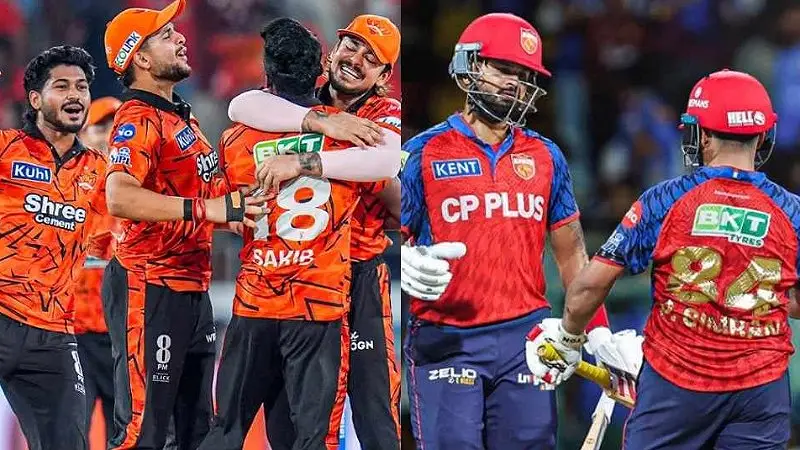

Two teams with genuine top-of-the-table ambitions arrive at this fixture carrying the same structural problem from opposite ends. Sunrisers Hyderabad have fixed their bowling, and their batting was never the concern. Punjab Kings keep posting massive totals and keep losing matches because their bowling can’t protect them. This contest doesn’t hinge on which team scores more runs. It hinges on which bowling attack breaks under pressure first and how badly the other side punishes it.
Form Curves Heading in Opposite Directions
SRH’s recent winning run came directly from correcting the bowling inconsistency that derailed their early campaign. Restructuring around younger pace options found rhythm where mismatched combinations previously leaked runs through the middle overs. Their batting was always capable of explosive starts. Giving those stars a bowling unit worth defending made the difference.
PBKS hit a dip after an unbeaten run that looked genuinely threatening. The concern isn’t losing matches. Teams lose matches. The concern is what the losses reveal: a side posting above 200 and still conceding chases means the bowling isn’t just underperforming, it’s structurally unable to defend any total once a batting side finds momentum. That problem doesn’t fix itself between fixtures.
IPL 2026 Bowling Decides This Fixture
Eshan Malinga’s emergence as a consistent wicket-taker changed SRH’s bowling identity in this IPL campaign. He provides control in the phases where Punjab’s aggressive openers do their most damage, and control in those overs is more valuable than wickets arriving after the damage is done.
Arshdeep Singh and Marco Jansen bring experience and reputation on PBKS’s side. Neither has matched expectations this season. When experienced bowlers underperform against batting lineups they’ve handled comfortably in previous campaigns, it signals execution problems rather than matchup issues. Against Travis Head and Abhishek Sharma in Hyderabad conditions, execution problems get punished at a rate that changes match results inside three overs.
Batting Firepower Keeps Both Teams Dangerous
Head and Abhishek provide SRH’s opening burst with a combination that forces fielding captains into difficult conversations before the second over begins. Both attack from ball one, but through different methods. Head targets pace with raw power. Abhishek manipulates spin with intent and timing. Both batting units reflect the IPL 2026 trend toward powerplay dominance; deciding match outcomes before the middle overs creates natural scoring pressure.
Marcus Stoinis gives PBKS their most dangerous finishing option and their clearest threat in death overs, where SRH’s bowling has been tightest. His recent performances confirm he arrives at the crease in the phase where a batting side either accelerates a total into unreachable territory or watches the required rate become manageable. PBKS needs his best version against a bowling attack currently operating with genuine confidence.
Key Matchups Define the Tactical Battle
Abhishek Sharma’s comfort against left-arm pace creates an immediate problem for Arshdeep Singh’s new-ball plans. If Arshdeep can’t establish control in his first two overs, the Hyderabad powerplay becomes a boundary-counting exercise for SRH before PBKS can restructure their field.
Head’s known vulnerability against the same left-arm angle gives Arshdeep an immediate counter-target. Dismissing Head cheaply in the powerplay removes SRH’s most destructive scoring option and changes the tempo of the entire innings. Pat Cummins managing these bowling rotations around those matchups is SRH’s most important tactical task before the toss result becomes relevant. Hyderabad’s surface settles into a batting-friendly track within three overs of each innings, which means every decision in the first six overs carries weight that compounds across the remaining 14.
- Does SRH’s bowling structure make them too strong for PBKS to overcome at Hyderabad, or can Stoinis and the PBKS batting depth overcome a disciplined attack? Drop your pick in the comments and follow for IPL updates.
FAQs
Q: What is the pitch like at Hyderabad for SRH vs PBKS?
The surface typically settles into a batting-friendly track with totals around 200 common in night matches.
Q: Who are the key players to watch in SRH vs PBKS?
Travis Head, Abhishek Sharma, Marcus Stoinis, Arshdeep Singh, and Eshan Malinga are the five most decisive performers.
Q: Why has Punjab Kings struggled despite posting big totals?
Their death bowling has consistently failed to defend above-par scores, exposing a structural weakness behind their batting firepower.
Q: How important is the toss in SRH vs PBKS at Hyderabad?
Both teams can chase and defend effectively, making bowling execution in powerplay overs more decisive than the toss result.
Q: Can SRH maintain their winning momentum against PBKS?
Yes, if Malinga and Cummins manage the death overs correctly, and Head or Abhishek dominates the powerplay first.