

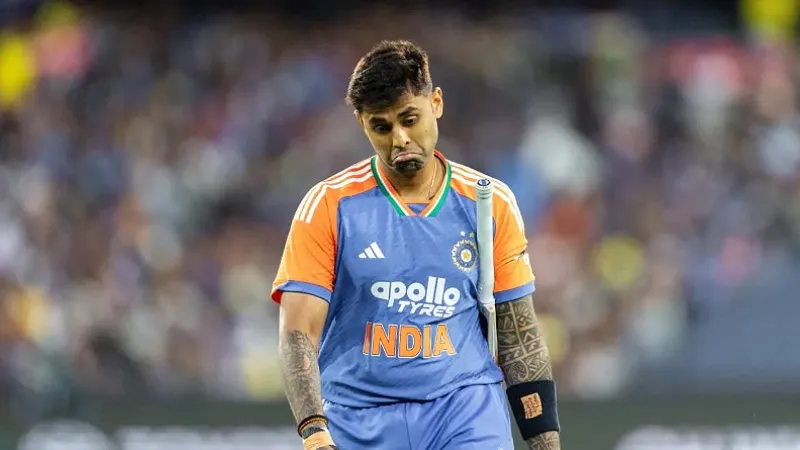

Winning is reassuring. Winning by a large margin can be dangerous because a large margin may cause some teams to feel they are finished. The 4-1 win over New Zealand in the recent T20I series is on the edge of this danger. On paper, it was extremely dominating: big totals, extreme power plays, and a feeling that New Zealand had been chasing the game from nearly the moment the game started. But the margin of the series told us more about what India has become than the margin itself told us about how good they were going to be when the ICC Men’s T20 World Cup begins, just four days later.
India, along with Sri Lanka as Co-hosts, head into this competition on an upbeat note and with a clear plan of action. Captain Suryakumar Yadav made his debut leading India in a major ICC Event and concluded the series with runs, rhythm, and confidence, and included a fluent 63 from the 5th game. India’s batting powerplay was at its best when Ishan Kishan took the attack with a blistering 103 in just 43 deliveries that powered the team to its highest T20I score so far. However, it is telling that the captain was not discussing dominance; he was focused on what they could learn.
Leadership Built on Rhythm, Not Authority
Suryakumar Yadav’s captaincy doesn’t bark; it flows. His comments after the series reveal a leader deeply aware of process over hype. He spoke not just of runs, but of mental space, a phrase that matters in T20 cricket, where clarity often trumps technique. Last year, he noted, runs were scarce despite good rhythm. This time, output matched intent. That alignment between feel and figures is crucial heading into a World Cup where form can evaporate in a single over.
Powerplay as a Weapon, Not a Phase
India’s top-order approach against New Zealand was unapologetically aggressive. Kishan and Abhishek Sharma weren’t merely scoring quickly; they were dismantling bowling plans. Kishan’s 103 off 43 wasn’t a slog; it was structured chaos, targeting lengths early and forcing fields back by the sixth over. When your openers “completely take the opposition out of it,” as Suryakumar put it, the powerplay stops being a phase and starts becoming a statement.
Identity Over Role Clarity
One of the most telling insights from the series was India’s refusal to reshape Ishan Kishan based on position. Whether opening or floating, the message was clear: don’t change your identity. This marks a philosophical shift from earlier Indian T20 setups, where players were often molded into roles rather than unleashed as threats. Kishan was picked to be a game-changer and allowed to remain one.
Middle Order Breathing Easier
Explosive starts aren’t just about fast runs; they’re about psychological relief. With Kishan and Abhishek flattening attacks upfront, India’s middle order and finishers operated without scoreboard panic. This balance pressure upfront, composure later is what separates good T20 teams from tournament winners. It’s also why India’s series win felt controlled, not frantic.
What we see in this series is that India isn’t “untouchable”; what we see is an Indian team that is able to adapt. India will not show up at the T20 World Cup as a “done product” on February 7th; they will come as a team with the confidence to make changes, to change their lineup, and to adjust as needed during the tournament.
Key Takeaway
India’s dominance isn’t about brute force; it’s about clarity of intent at every stage of the innings.
FAQs
- What made India’s series win significant before the T20 World Cup?
It combined dominant results with clear tactical learning and role clarity.
- Why is Suryakumar Yadav’s captaincy important?
It brings calm leadership, process-driven thinking, and alignment between intent and execution.
- How did the top order change India’s approach?
Aggressive powerplay batting reduced pressure on the middle order and dictated match tempo early.