

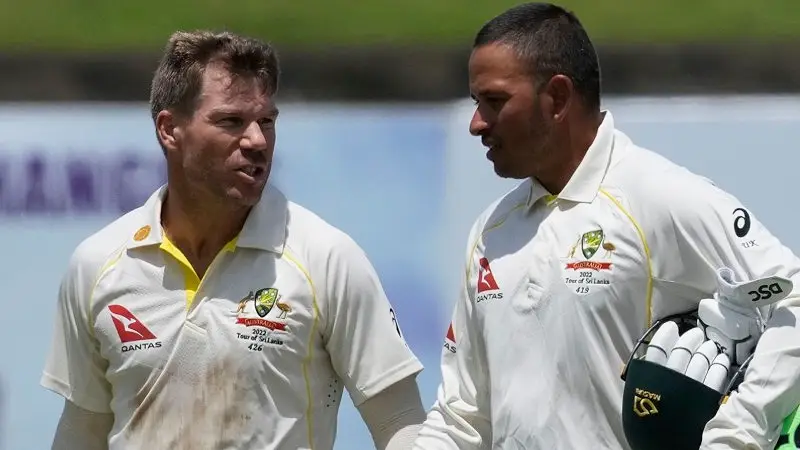

Cricket Australia’s 2018 inquiry found that only David Warner, Steve Smith and Cameron Bancroft knew about the ball-tampering plan in advance, and Usman Khawaja’s memoir now says the whole touring party knew. Sabr, out through Penguin Australia on 10 November, places the first discussion of the plan at Port Elizabeth, a Test earlier, rather than Cape Town. The board says its conclusions stand, and with no fresh documents or independent evidence produced so far, both versions are presented here as claims rather than settled fact.
The Claims Inside Sabr
In the book, Khawaja writes that the knowledge was collective, extending beyond batters, bowlers or staff to the entire group. He describes Australia talking about roughing up the ball during the Port Elizabeth Test, the second of the series, with Smith walking away from that conversation. By his account, Bancroft put himself forward and used sandpaper during South Africa’s first innings.
Khawaja also writes that he pushed teammates, once Cape Town had unfolded, to accept shared responsibility, and that the investigators never spoke to him. These are his recollections, published eight years after the event. Coverage of the excerpts so far points to no supporting documents or independent corroboration.
Khawaja Sandpapergate Cricket Australia investigation versus the memoir
The board’s integrity inquiry reached a narrower conclusion. It found that Warner came up with the plan and directed Bancroft to carry it out, that Smith knew about it, failed to intervene and told Bancroft to conceal the evidence, and that Bancroft attempted the act at Newlands. Only those three, the inquiry decided, knew beforehand.
Smith and Warner each received 12-month bans, and Bancroft was suspended for nine months, while the ICC added a one-Test suspension for Smith. The inquiry cleared coach Darren Lehmann of any direct role, though he resigned anyway. Three years later, in 2021, the four bowlers from that Test said they first learned of the tampering when it appeared on the stadium screen.
Topic | Cricket Australia 2018 Finding | Khawaja’s Account in Sabr |
|---|---|---|
Who knew in advance | Only Warner, Smith and Bancroft | The whole touring party, all of us |
Origin of the plan | Warner devised it and instructed Bancroft | Bancroft volunteered at Port Elizabeth |
Smith’s role | Knew, did not stop it, told Bancroft to hide evidence | Walked out of the discussion |
Where it happened | Newlands, Cape Town, 24 March 2018 | Discussed and used earlier, at Port Elizabeth |
Responsibility | Three players sanctioned | He says he urged shared responsibility |
Port Elizabeth and the Timeline Problem
The location matters because Port Elizabeth staged the second Test, before the series moved to Cape Town. If his version holds and sandpaper came out at Port Elizabeth, the plan predated Newlands and involved a wider group than the board identified. That would rewrite the accepted sequence of events.
The 2018 findings, as publicly described, centre on Cape Town and do not appear to address Port Elizabeth at all. That gap is exactly where the memoir lands its sharpest claim. Neither account has been tested independently, so the timeline dispute remains open rather than resolved.
The Board Stands by Its Findings
The board has responded that it remains comfortable with the outcome of its integrity process, and it has invited anyone holding relevant information to come forward. Nothing so far indicates it plans to reopen the case. Lehmann, asked about the memoir, said he doubted that everybody would have known.
He also said he could not remember Khawaja urging collective responsibility, though he did not rule it out. The unanswered questions are now fairly specific: whether Khawaja was ever interviewed, and who else in that dressing room could confirm or contradict his Port Elizabeth account.
Silence From the Three Banned Players
As of 9 November, none of Smith, Warner or Bancroft had responded publicly. Pat Cummins said he had been warned about the memoir before Australia toured South Africa, adding that the players have put it behind them. Michael Vaughan, for his part, argued that an eight-year gap suggests the sport should do the same.
A response from any of the three would carry more weight than any outside comment, because they sit at the centre of both accounts. Until then, the Khawaja Sandpapergate Cricket Australia investigation dispute is one man’s recollection set against an official finding, with neither independently proven.
Does Khawaja’s account change how you view the 2018 bans, or should the board’s findings be left alone? Share your view in the comments.
Frequently Asked Questions (FAQs)
What does Usman Khawaja claim about Sandpapergate in Sabr?
Khawaja claims the whole touring party knew about the ball-tampering plan. He writes that the idea surfaced at Port Elizabeth, where Bancroft volunteered and used sandpaper, though these remain unproven claims.
When did Usman Khawaja’s memoir Sabr come out?
Penguin Australia released Sabr on 10 November 2026. Excerpts circulated in the days before its release, drawing responses from Cricket Australia, former coach Darren Lehmann, Pat Cummins and Michael Vaughan.
Which players were banned over the 2018 ball-tampering affair?
The inquiry held David Warner, Steve Smith and Cameron Bancroft responsible. Warner and Smith received 12-month bans and Bancroft nine months, with the ICC adding a one-Test suspension for Smith.
Was Darren Lehmann involved in the sandpaper plan?
No, the 2018 inquiry cleared Lehmann of any direct involvement. He resigned as coach anyway, and he has since said he doubts that everybody in the squad knew in advance.
Does Cricket Australia accept that the whole squad knew?
No, the board still maintains that just three players, Warner, Smith and Bancroft, knew beforehand. It has said it remains comfortable with its integrity process and invited anyone with new information to come forward.