

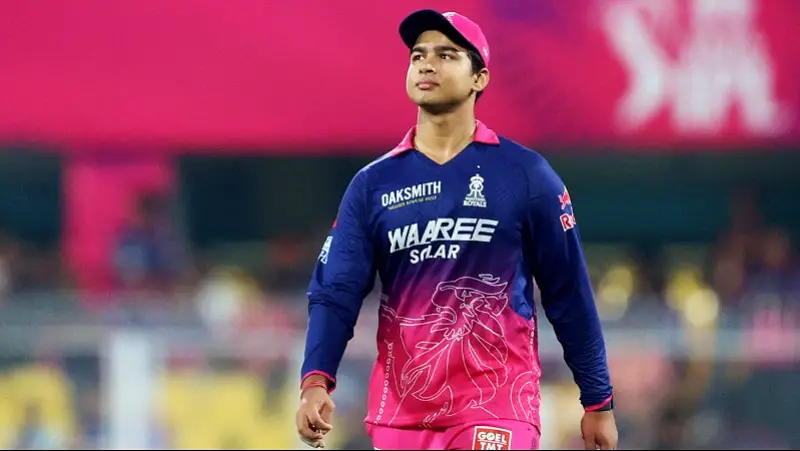

Every IPL generation produces young players who arrive before anyone expects them. Pradeep Sangwan was swinging the ball in 2009 before the league had fully understood what domestic bowlers could do. Prithvi Shaw was attacking at a 150-plus strike rate before bowling attacks had decoded his patterns. Washington Sundar controlled powerplay overs with off-spin before franchise teams had realised spin could be deployed effectively in the first six. Devdutt Padikkal scored 473 debut-season runs before RCB had built their team around his specific quality. Each generation arrived earlier and hit harder than the one before. The current generation, represented most visibly by Vaibhav Suryavanshi, is doing so at a pace and a level of readiness that makes every previous generation’s early impact look like a gentle introduction.
Sangwan Proved Early IPL Rewarded Simplicity
Pradeep Sangwan’s 15 wickets in IPL 2009 established the template for young player success that every subsequent generation has built upon rather than abandoned. His left arm seam, disciplined line, and adaptability to slower Indian pitches, where variation mattered more than pace, produced wickets in a format that was still developing its understanding of what domestic bowlers could contribute at the highest franchise level. He had one well-executed stock delivery and the discipline to hit the same spot repeatedly. Eleven seasons of IPL development later, that lesson remains the foundation of every successful young bowler’s approach.
Shaw’s Trajectory Shows the Whole Story
Prithvi Shaw’s IPL career arc is the most instructive case study for understanding both the ceiling and the limitations of fearless youth intent. His debut power, 150-plus strike rate, aggressive off-side strokeplay, and exploitation of field restrictions that set batters never got, produced the early success that made every bowling attack uncomfortable. The same aggressive approach that produced those early results also created the vulnerability that improved bowling strategy, hard length deliveries, short balls targeting his outside edge against lateral movement, exposed over subsequent seasons.
IPL 2026 Suryavanshi Is Proof Enough
A century from 35 balls. A six off Bumrah’s first delivery. A strike rate above 200. Vaibhav Suryavanshi’s early returns don’t just continue the pattern of young IPL sensations; they represent the most extreme version of it the format has yet produced. The specific quality that differentiates him from Shaw’s early career profile is phase versatility. Shaw dominated the powerplay through off-side stroke exploitation against pace. Suryavanshi is effective against both pace and spin across the powerplay, middle overs, and death overs simultaneously. That versatility removes the specific analytical attack that ended Shaw’s dominance.
Sundar Controls Padikkal Accumulates Both Work
Washington Sundar and Devdutt Padikkal represent the two alternative models of young player IPL success that exist alongside the explosive Suryavanshi version. Sundar’s 2017 powerplay economy rate of nearly 6 showed that young spinners could control phases that conventional franchise wisdom believed belonged exclusively to pace bowlers. Padikkal’s 473 debut-season runs demonstrated that timing-based accumulation from a young top-order batter could provide the platform that allowed explosive options around him to function. Both paths to young player success are legitimate. Neither is as immediately visible as Suryavanshi’s approach.
- Does the current generation of young sensations represent the peak of what youth impact can look like in franchise cricket, or does the next generation arrive with processing speeds and tactical adaptability that make even Suryavanshi’s early returns look like a gentle introduction? Drop your take and follow for IPL updates.
FAQs
What makes a young player successful in IPL early on?
Early success depends on role clarity, a fearless mindset, and the ability to adapt to match conditions quickly.
Why is Vaibhav Suryavanshi so highly rated in IPL 2026?
His high strike rate and ability to dominate across all phases make him stand out among young players.
How has Prithvi Shaw’s IPL career changed over time?
His aggressive start was impactful, but evolving bowling strategies have challenged his consistency.
Which team benefits most from young players in the IPL?
Teams like the Rajasthan Royals and Royal Challengers Bengaluru have consistently invested in youth talent.
What is Washington Sundar’s role in T20 teams today?
He is valued for controlling the power play with economical bowling rather than just taking wickets.