

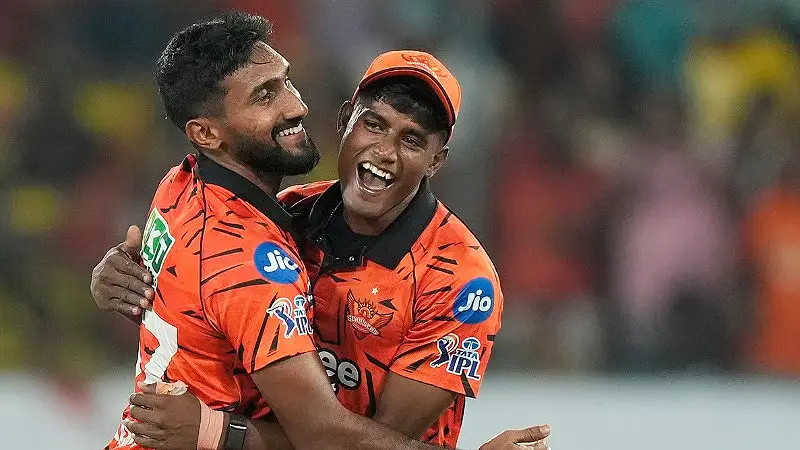

Eshan Malinga doesn’t bowl the fastest ball in the park. He doesn’t need to. What he does better than almost any pacer in this tournament is make batters feel like they can’t quite get hold of him, regardless of how well they’re reading the pitch. His sling action creates an angle that very few bowlers in the world can replicate, and he combines it with the kind of batter-reading ability that usually takes years of international cricket to develop. The result is a bowler who consistently shifts pressure back onto batting sides during the overs that matter most.
The Middle Overs Belong to Malinga
Between overs 10 and 20, matches either accelerate into something uncontrollable or get reined in by one smart bowling spell. Malinga has made that second outcome his specialty.
His approach in this phase isn’t about taking wickets every other ball. It’s about denying momentum. He bowls into low-risk zones, avoids predictable lengths, and forces batters into adjustments they haven’t planned for. When a batter finally decides to break the pattern and attack, the execution rarely arrives cleanly because the angle is always slightly different from what the footwork expects.
Teams bowling in the middle overs usually ask their bowlers to contain. Malinga does that and still generates pressure that produces wickets without actively hunting for them. That’s a rare combination.
Reading Batters Before They Settle
His matchup against Tristan Stubbs is the clearest example of what separates Malinga from bowlers who simply execute plans rather than build them in real time. When Stubbs looked to use the pace and generate power through the line, Malinga went immediately to slower balls into the surface. When Stubbs adjusted his stance to compensate, the line shifted. The length changed. The batter never found a stable position from which to commit to a shot.
This kind of mid-over adjustment isn’t something coaches can drill in the nets. It comes from watching batters carefully during their first few deliveries and processing their intent almost instantly. Malinga does this consistently, not just in one memorable matchup but across his entire spell every time he bowls.
Why the Sling Action Works
The low release point creates a natural inward angle that arrives at the batter from a different trajectory than an upright action produces. Even when the delivery isn’t perfectly placed, the tail or dip at the end of its path produces inside edges and awkward contact rather than clean hits.
The comparison with Lasith Malinga is obvious and valid. Both bowlers rely on angle and deception far more than raw pace. What Eshan adds to that template is modern variation awareness. He doesn’t default to yorkers under pressure the way older sling bowlers did. He mixes pace off deliveries, back of a length cutters, and full balls based on what each batter has shown him during the over, not based on a pre-decided plan set before the match.
IPL 2026 Demands Exactly His Skills
IPL 2026 has produced batting line-ups more prepared for pace and bounce than any previous edition. Batters arrive with specific plans against fast bowlers who operate at one pace. Malinga’s entire game is built to make those plans irrelevant.
Disruption over domination. Adaptability over repetition. Role clarity over ego. These are the skills this tournament rewards most in its bowling attacks right now, and Malinga embodies all three in every spell he bowls.
Bowling Phase | Malinga’s Approach | Outcome |
Overs 10 to 15 | Denial, angle variation | Partnership breaks |
Overs 16 to 20 | Pace off, reaction-based | Dot balls, mistimed shots |
Batter adjustment | Line and length shift immediately | Batter never settles |
- Is Eshan Malinga the most complete middle-overs bowler in the tournament right now, or is there another pacer who deserves that title this season? Drop your pick in the comments and follow for IPL updates.
Q: What makes Malinga so hard to hit in the middle overs?
His sling action creates a natural inward angle, and he adjusts line and length mid-over based on batter intent rather than following a fixed plan.
Q: How does he read batters so effectively?
He processes stance, movement, and shot commitment in real time during each delivery, adapting his response before the batter has settled into a pattern.
Q: Why is the sling action particularly effective in T20 cricket?
The low release point generates unexpected angles and natural movement at the crease, making even slightly wayward deliveries difficult to hit cleanly.
Q: Is Malinga purely a containing bowler or can he take wickets?
Both. His containing spells build pressure that produces wickets indirectly, and he takes direct wickets when batters misjudge his pace off deliveries.