

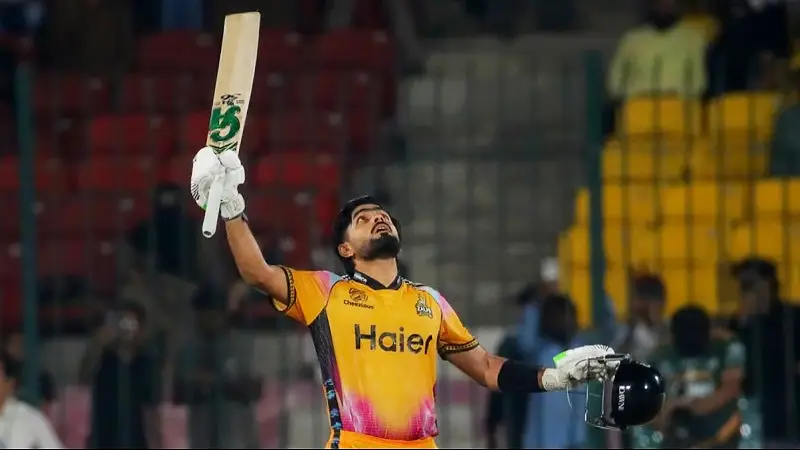

Babar Azam arrived at this season with questions attached. Strike rate. Intent. Whether his T20 style had kept pace with what the format now demands from top-order batters. By the end of it, he had scored 588 runs across 12 innings at a strike rate of 145.90 and delivered Peshawar Zalmi a championship. The numbers answered the critics, but how he got there tells the more interesting story.
Consistency Anchored the Entire Campaign
Volume and control are usually competing demands in T20 cricket. Batters who score heavily tend to do it slowly, or they score fast with significant variance. Babar found the overlap and stayed there across 12 innings.
His 588 runs didn’t arrive through two or three large performances surrounded by quiet matches. They came from a consistent baseline that gave Zalmi something to plan around at the top of the order. When middle-order batters knew Babar would likely bat deep, role clarity improved across the lineup. Finishers batted with more freedom because the platform was dependable. The middle order didn’t need to rebuild from powerplay exits. That structural advantage compounds across a tournament in ways individual match stats never fully capture.
PSL 2026 Stats Back His Evolution
The strike rate question that followed Babar through previous editions found its answer in how he approached the powerplay this season. Rather than absorbing pressure early and building gradually, he rotated strike from the first over, found gaps before field placements settled, and forced captains into defensive adjustments before the sixth over arrived.
His shot selection against hard lengths improved noticeably. Through covers and mid-wicket, he scored runs that would previously have gone to safe fielding positions. Against pace specifically, his numbers confirm the adjustment was genuine rather than a statistical blip. A strike rate of 145.90 across 588 runs isn’t an accident. It’s what happens when a batter changes something specific and sustains it across a full campaign.
Kingsmen Final Proved Captaincy Mattered
The Kingsmen vs Zalmi final tested Babar’s leadership more directly than any innings in the tournament. A first-ball duck removed him as a batter before he could contribute from the crease. Chasing 130, Zalmi slipped to 40 for 4, and the match had tilted toward Kingsmen.
What followed wasn’t a miracle. It was a composed middle-order partnership built on clear roles and calm decision-making. Players who steadied that chase had been backed through lean patches during the group stage. The trust Babar extended throughout the season earned a return in the final when he couldn’t produce it himself. Leadership that only counts when the captain scores isn’t really leadership at all.
Babar Reshaped Peshawar Zalmi’s T20 Identity
Earlier editions carried a familiar criticism: Babar’s game was too orthodox for T20’s modern demands, too reliant on timing over power, and too conservative in the overs that decided matches. That version of his game wasn’t wrong. It was incomplete.
What changed this season wasn’t technique. It was intent, and the timing of that intent. Attacking from the first over changes how bowling attacks set up, when captains deploy their best spinners, and where fielders are placed. Every adjustment forced by Babar’s early pressure benefited the Zalmi batters who followed him. The individual numbers from this campaign are strong. What they built for the team around him was stronger.
- Did Babar Azam finally prove this season that his T20 game has evolved enough, or does the real test still come against stronger attacks in bigger tournaments? Drop your pick in the comments and follow for PSL updates.
FAQs
Q: How many runs did Babar Azam score in PSL 2026?
He scored 588 runs across 12 innings at a strike rate of 145.90 for Peshawar Zalmi.
Q: Did Peshawar Zalmi win the PSL 2026 final?
Yes, Zalmi beat Kingsmen in the final despite Babar falling for a duck in the title match.
Q: What changed in Babar Azam’s batting approach this season?
He attacked from the first over, rotated strike early, and improved his scoring against pace through covers and mid-wicket.
Q: How did Babar’s captaincy hold up when he failed with the bat in the final?
Players he had backed through lean phases during the group stage produced the composed partnership that sealed the chase.
Q: Was Babar Azam among the highest run-scorers?
Yes, his 588 runs placed him among the tournament’s top performers across the entire season.