

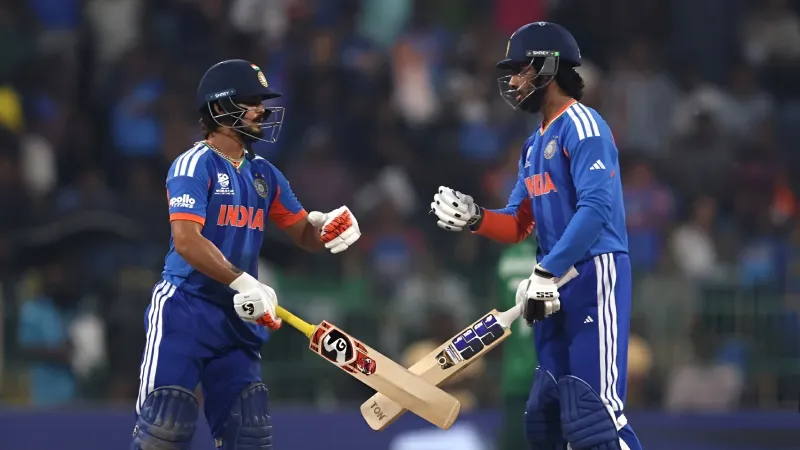

The India batting concern in the T20WC 2026 is real, especially after the recent India vs South Africa clash exposed key weaknesses against spin and disciplined seam bowling. Players like Tilak Varma showed intent, but dismissals linked to the Ishan Kishan off-spin weakness highlighted a deeper issue. The reason why India struggled vs South Africa’s bowlers was not just conditions but tactical misreading, which could impact their knockout chances in this world cup.
Misreading the Match Situation Early
India’s top order played with pre-planned aggression instead of reacting to the pitch behavior. Against the South Africa national cricket team, early wickets fell because batters attacked before understanding the pace and grip. This approach works on flat pitches but becomes risky on slower surfaces where timing is difficult. The dismissals were not caused by extraordinary deliveries but by misjudgment of conditions, which reflects a tactical rather than a technical problem.
Spin Creating Tactical Pressure in the T20 World Cup 2026
Spin has quietly become the biggest contributor to India’s batting concern in the T20 WC 2026. Off-spinners attacked the stumps and forced horizontal bat shots, reducing scoring options. The Ishan Kishan off-spin weakness became visible because bowlers denied him width and pace. Even technically strong players were forced into high-risk shots because strike rotation was not consistent. This created pressure cycles where dot balls led directly to wicket-taking mistakes.
Middle Order Responsibility Shift
Tilak Varma’s role at number three is central to India’s balance. His natural attacking instinct is valuable, but the match situation demanded stability rather than immediate acceleration. When wickets fall early, the number three batter must absorb pressure. Instead, aggressive strokeplay increased the risk. This does not reduce his importance but shows how role clarity must improve to address the India batting concern in the T20 World Cup 2026 before knockout matches.
Numbers Reflect Control Issues
While exact match figures vary by game, the pattern shows India scoring slower against spin compared to pace in recent matches. Their boundary frequency dropped significantly once spinners settled into consistent lengths. This forced batters to attempt riskier aerial shots to maintain the run rate. The reason why India struggled vs South Africa’s bowlers was their ability to control the middle overs, which is statistically the phase where T20 matches are often decided.
Conditions Exposing Strategic Weakness
Slow pitches amplify decision-making flaws. India’s batting strength is built around strokeplay fluency, but when pitches reduce timing, adaptability becomes more important than intent. South Africa succeeded by bowling disciplined lines rather than chasing wickets. This forced India into errors instead of creating opportunities through domination.
The India batting concern T20 WC 2026 is less about player ability and more about tactical adaptability. India still possesses one of the strongest batting lineups in world cricket, but recent matches showed how disciplined bowling and slow conditions can disrupt their approach. The solution lies in situational awareness, better strike rotation, and clearer middle-order roles. If India adjust their tempo and respects conditions earlier, they remain strong contender. If not, opponents with quality spin attacks will continue to expose this vulnerability in crucial matches.
Key Takeaway
India’s batting strength remains intact, but tactical adaptability against spin will determine their T20 World Cup success.
FAQs
Why is India struggling against spin in the T20WC 2026?
India’s batters have attacked too early instead of adjusting to pitch conditions, leading to preventable dismissals.
How important is Tilak Varma to India’s batting lineup?
He is crucial at number three because his role connects the top order with the finishing phase.
Is Ishan Kishan vulnerable to off-spin bowling?
Off-spinners have targeted him with tighter lines, limiting his scoring areas and increasing risk.
Can India fix their batting issues before the knockout matches?
Yes, tactical adjustments in strike rotation and match awareness can quickly improve performance.
Which teams can exploit India’s batting weakness most?
Teams with disciplined spin attacks and slower pitch strategies are best suited to challenge India’s batting.
Disclaimer: This blog post reflects the author’s personal insights and analysis. Readers are encouraged to consider the perspectives shared and draw their own conclusions.