

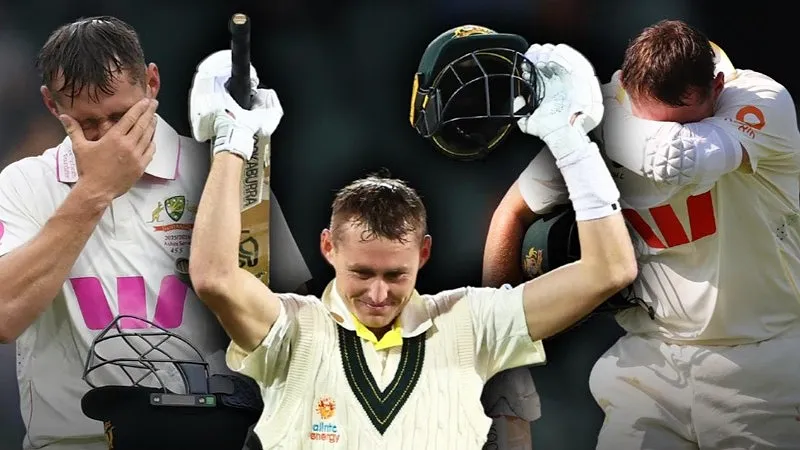

Marnus Labuschagne’s axing from Australia’s 17-member ODI squad for the Zimbabwe and South Africa tours, confirmed September 1, looks less like rotation and more like a gamble. He’s missed just five of Australia’s last 56 ODIs, making his exclusion genuinely hard to wave away as routine. Selectors are framing this six-game tour, played across the nations hosting next year’s tournament, as a deliberate stepping stone. Whether dropping a player this consistent counts as smart planning or a real risk depends on what follows.
A Squad Built as a Stepping Stone
The 2027 tournament runs from October 4 to November 21, 2027, co-hosted by South Africa, Zimbabwe and Namibia, the same countries Australia will tour across these six matches. Selector chair George Bailey called the series an important lead-in to next year’s tournament, being played in the same countries, for the group as a whole.
Mitchell Marsh returns to captain the Zimbabwe leg, with Pat Cummins leading in South Africa. Travis Head, Josh Hazlewood, Cummins and Mitchell Starc are all back after sitting out the earlier Pakistan and Bangladesh series, blending proven returners with emerging talent to test depth.
Australia ODI World Cup 2027 Marnus Labuschagne
This will be the next edition after the 2023 triumph in Ahmedabad. With Steve Smith, Glenn Maxwell and Marcus Stoinis all retired from the format, selectors are actively rebuilding a middle order that Labuschagne was expected to anchor. He contributed a half-century in that 2023 final and had stayed a regular fixture ever since.
His prolonged lean spell made that expectation difficult to sustain. Selectors, evaluating white-ball and red-ball futures separately, have now delivered what amounts to a verdict on his immediate one-day career, with Bailey confirming the Test squad will be announced on its own schedule.
The Numbers Behind a Surprising Axing
The stat that makes this drop hard to dismiss outright: Labuschagne missed just five of Australia’s last 56 ODIs. Yet his average across his last 18 innings sits at 21.87, well below what a middle order needs at this stage of a World Cup cycle.
His only fifty in sixteen innings was an unbeaten 55 against Bangladesh in Dhaka, scored after being dropped down to No.7. Before that, he managed just 24 runs across three matches against Pakistan in May. One half-century in sixteen innings isn’t a blip. It’s a pattern that left selectors with little real choice.
Table 1: Middle-Order Comparison
Player | Recent ODI Average | Matches Played | Squad Status |
|---|---|---|---|
Marnus Labuschagne | 21.87 (last 18 innings) | 51 of last 56 | Dropped |
Cooper Connolly | 40.14 (13 ODIs) | 13 | Retained |
Oliver Peake | Limited data (4 ODIs) | 4 | Retained |
Joel Davies | Yet to debut | 0 | Retained (debut expected) |
The Replacements Selectors Are Backing
Bailey highlighted three players chosen ahead of Labuschagne. Cooper Connolly, 22, is the most established, having struck 149 in the third ODI against Bangladesh in Dhaka and holding an average of 40.14 across 13 matches, with his left-arm spin adding a second bowling option.
Oliver Peake, 19, became the youngest-ever specialist ODI batter when he debuted against Pakistan in May at 19 years and 261 days, and keeps his place after just four appearances so far. Joel Davies, 22, a New South Wales left-arm allrounder, is set for his ODI debut on this tour after taking four wickets across Australia’s recent Bangladesh T20I assignments. Bailey described both Peake and Davies as players the selectors rate very highly, offering them a further chance to continue growing inside the setup.
The Gamble Selectors Are Taking Now
Australia’s middle order remains genuinely uncertain heading into a title defence. Three key contributors from the 2023 title run have already retired from the format entirely, and Labuschagne, who scored both his ODI centuries in South Africa, a principal host of next year’s tournament, has now been dropped almost exactly a year out from the opening game.
If Connolly, Peake and Davies can’t consolidate over the next twelve months, selectors will be searching for answers much closer to a title defence. The Australia ODI World Cup 2027 Marnus Labuschagne situation is fair to call a stepping stone. But buried inside that framing sits the removal of a player with 51 appearances in the last 56 games, a risk that stretches well beyond one squad announcement.
Is dropping a player this consistent smart squad management, or a gamble Australia will regret in twelve months? Drop your take below.
Frequently Asked Questions (FAQs)
Why was Labuschagne dropped from Australia’s ODI squad?
Prolonged poor form was the deciding factor. He averaged just 21.87 across his last 18 innings and managed only one fifty in his last 16, with Marsh and Head also squeezing available spots.
Who else is in Australia’s ODI squad for this tour?
The group includes Mitchell Marsh, Pat Cummins, Travis Head and Adam Zampa alongside newer names. Cooper Connolly, Oliver Peake and Joel Davies round out a middle order still being rebuilt.
When is the next ODI World Cup after 2023?
The next edition runs from October 4 to November 21, 2027. It will be co-hosted by South Africa, Zimbabwe and Namibia, the same three nations featuring in this current tour.
What is Labuschagne’s current ODI batting average?
His average across his last 18 innings stands at just 21.87. That marks a sharp decline from the consistent form that made him a fixture in the 2023 title-winning side.
Which uncapped players feature in Australia’s latest squad?
Joel Davies is set to make his ODI debut on this tour. Oliver Peake has only four caps since debuting in May, while Cooper Connolly has featured in just 13 ODIs since September 2024.