

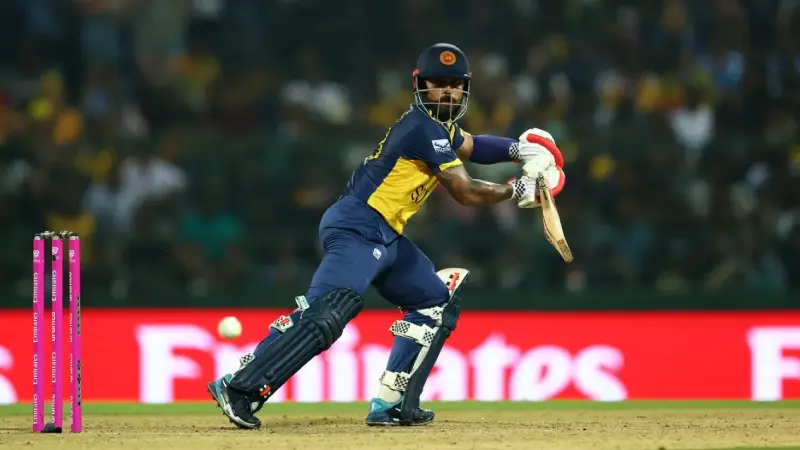

Kusal Mendis finished 2024 as the highest ODI run-scorer globally, 742 runs at 53.0 in 17 matches. Charith Asalanka finished his T20I captaincy averaging 16.44 with the bat across 21 innings. Sri Lanka Cricket’s decision to hand Kusal Mendis the Sri Lanka captain of the West Indies duties isn’t a gamble; it’s the most logical conclusion a new selection panel could reach from those two numbers alone.
Why Asalanka Had to Go
Asalanka’s full white-ball captaincy tenure delivered 10 wins, 11 losses, and 2 ties. The combined record is damaging enough, but the personal batting collapse made it worse. As T20I captain, he averaged 16.44 across 21 innings at a strike rate of 124.89 with just one half-century. A middle-order batter who can’t build pressure from number four is a liability; a captain who bats that way compounds the problem every time he walks out.
The context around his removal matters too. Shanaka replaced him as a stopgap for the home T20 World Cup. Sri Lanka beat Australia in the group stage and reached the Super Eights, but were eliminated without reaching the semi-finals, losing to New Zealand by 61 runs and falling short against England and Pakistan on home soil. New selection panel head Kapila Wijegunawardene had every reason to reset.
Captaincy Numbers Behind the Change
Captain | Format | Matches | Wins | Win% | Batting Avg as Captain |
Charith Asalanka | ODI | ~20 | ~12 | ~60% | ~40 |
Charith Asalanka | T20I | 19 | 8 | 42.1% | 16.44 |
Dasun Shanaka | T20I | ~10 | ~5 | ~50% | N/A |
Kusal Mendis | ODI | New appointment | – | – | 53.0 (2024) |
Kusal Mendis, Sri Lanka Captain, West Indies Tour
Mendis has the most compelling batting credentials of any current Sri Lanka white-ball player. In 2024, his 742 ODI runs at 53.0 led the world. Against Bangladesh in June 2025, he scored 225 runs to win the Player of the Series. He enters the West Indies tour ranked 16th in the ICC ODI batting rankings.
An opener who makes 50-plus regularly gives his team a platform and signals intent from the first over. When Mendis bats, Sri Lanka’s powerplay scoring rates rise; that’s a leadership currency. Asalanka is depleted, and Mendis currently holds in abundance. This also isn’t his first time in the role. He led Sri Lanka at the 2023 ODI World Cup before stepping aside, meaning the West Indies assignment is a return, not an experiment.
Kamindu’s Vice-Captaincy Signals Long-Term Thinking
The appointment of Kamindu Mendis as vice-captain across all three formats is the more revealing decision from the new panel. He’s been primarily a Test asset, averaging over 50 in the format and scoring 309 runs in the October 2024 New Zealand series. His white-ball credentials are quieter but developing, and his dual-spin bowling adds an unusual tactical dimension.
Naming him white-ball vice-captain simultaneously with the Test role suggests the panel sees him as part of a long-term leadership core, not a format specialist. Kamindu is 27, Kusal is 31, and the 2027 ODI World Cup cycle is the visible target. Building captaincy continuity now, rather than rotating the role each series, is exactly what Sri Lanka’s white-ball setup has been missing.
The West Indies Tour Is Both a Statement and a Test
The Wijegunawardene panel’s intent is clear: reward consistency, install an experienced opener as white-ball leader, and develop a vice-captain who can grow into the role over two years. Sri Lanka’s ODI cricket wasn’t broken in 2024; they beat India in an ODI series for the first time in 27 years and swept Australia 2-0 in early 2025. The T20I side drifted, and leadership instability around the World Cup made it worse.
The West Indies tour starts June 3 with a three-match ODI series. West Indies remain a formidable white-ball side at home. If Mendis scores runs, leads wins, and Kamindu develops into an effective deputy, the panel’s reset will look well-reasoned ahead of 2027. On current evidence, it already does.