



The most run scorers in the upcoming T20WC are most likely to come from aggressive top-order batters who thrive in subcontinent conditions, dominate the powerplay, and maintain high strike rates across venues in India and Sri Lanka. Based on current form, role clarity, and recent international performances, names like Suryakumar, Abhishek, and Philip Salt stand out as prime contenders. This article breaks down the probable most run-getters in the upcoming T20 World Cup using tactical matchups, pitch behavior, and proven tournament trends, giving a clear, data-backed answer to who is best placed to top the run charts.
Aggressive Openers for T20 World Cup 2026 Run-Getters Race
In the early part of an innings, Indian and Sri Lankan pitches are generally favorable to batsmen, especially when night matches have minimal lateral movement off the pitch. Therefore attacking opening batsmen like Philip Salt, Travis Head, and Abhishek can take advantage of a maximum number of Power Play overs to maximize their ability to score boundaries during the restricted field period, therefore scoring a large amount of runs for their team in a short period of time, historically players that score quick runs rather than long runs dominate the run chart of a tournament under these conditions.
Suryakumar’s Middle-Over Dominance
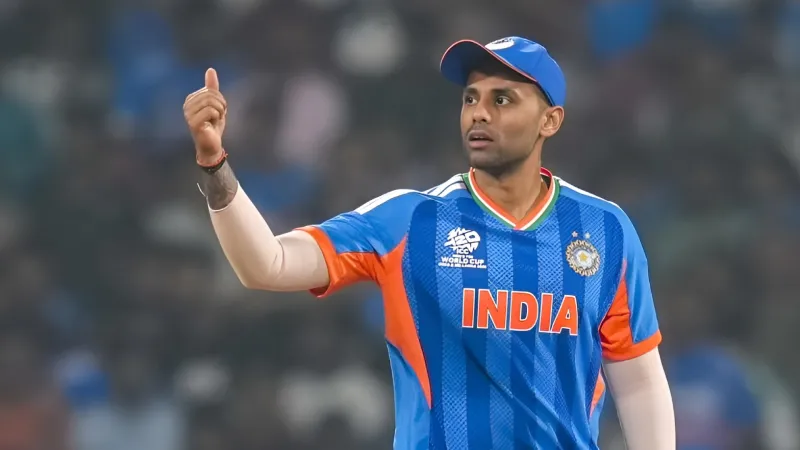 Suryakumar Yadav
In all competitors, Suryakumar still has the best overall T20 batters in terms of batting range, batting versatility, and batting options. The fact that his ability to manipulate the field, during the middle overs, provides him with a benefit as pitches slow down, sets him apart from other purely power-hitting batsmen. In addition to being able to hit at pace-off deliveries, Suryakumar can bat without having to depend solely on these types of deliveries, which is key to the conditions of older pitches toward the end of the tournament. As such, this batting versatility will keep him very much in contention for the Top run-scorers in the T20 World Cup 2026.
Abhishek’s Strike Rate Advantage
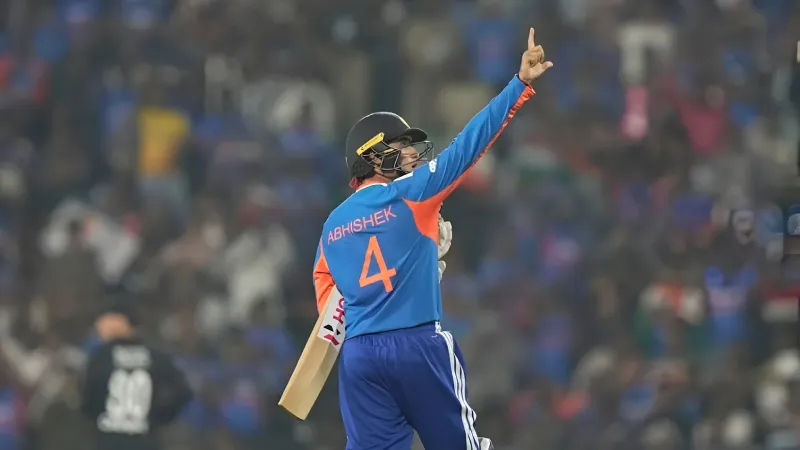 Abhishek Sharma
Few players convert starts into impact as efficiently as Abhishek. His aggressive intent from ball one aligns perfectly with modern T20 scoring trends, where strike rate often outweighs average. In tournaments with packed schedules, batters who can score 40–60 quickly across multiple games often outscore those with fewer but longer innings. That makes Abhishek a serious contender for the most runs prediction discussion.
The Top Run-Scorers will be determined most heavily by their batting position, their ability to adapt to subcontinent pitches, and their scoring rate. Surya Kumar is an unparalleled Middle-Overs master; Phillip Salt and Abhishek are explosive starters that can win a game quickly. Reliability across conditions is provided by experienced campaigners Travis Head and Quinton De Kock. Tournament variables like pitch wear and opponent strength will determine outcomes, but the run-scoring race is most likely to be won by batters who combine intent with tactical awareness. Aggressive multi-dimensional batters are the safest prediction to finish at the top of the charts based on current trends.
Key Takeaway
Aggressive top-order batters with high strike rates and subcontinent adaptability are the strongest candidates to lead the run charts.
FAQs
What decides the top run-getter in a T20WC?
Batting position, strike rate, number of matches played, and pitch conditions play the biggest roles.
Why is Abhishek considered a strong contender?
His ability to score rapidly in the power play maximizes run output across short innings.
Can middle-order batters top the run charts?
Yes, but only if they bat high enough and face consistent deliveries across matches.
Which opener has the best chance among Philip Salt and Travis Head?
Philip Salt’s powerplay efficiency gives him a slight edge in run accumulation.
Disclaimer: TThis blog post reflects the author’s personal insights and analysis. Readers are encouraged to consider the perspectives shared and draw their own conclusions.