

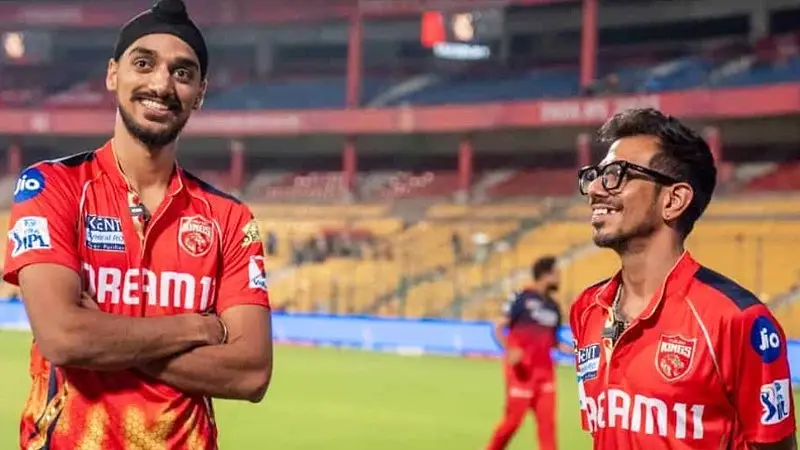

Punjab Kings’ bowling plan starts with two non-negotiable selections and builds everything else around them. Arshdeep Singh owns the powerplay and the death overs. His left arm angle, yorker accuracy, and ability to generate swing in the first three overs make him the attack’s anchor at both ends of an innings. Yuzvendra Chahal owns the middle phase, the IPL’s highest wicket-taker in that phase, who produces dismissals against set batters when the match is most balanced. Get those two functions right, and PBKS have a bowling unit that controls the phases that T20 matches turn on. The combination around them is where conditions and opposition dictate the decisions.
Arshdeep Leads and Nothing Else Does
Arshdeep Singh’s 21 wickets in the previous IPL season confirmed what his career has consistently demonstrated: he takes wickets at the moments that matter most. His power play accuracy generates edges from batters who haven’t settled. His death overs execution, particularly the yorker under pressure, restricts totals that would otherwise become unreachable targets.
Left arm angle from over the wicket into right-hand batters creates problems that conventional right-arm seamers from the same line can’t replicate. PBKS’s entire bowling plan is structured around his four overs because his contribution covers the two phases where the match gets decided. When he’s on, the combination works regardless of what surrounds him.
Chahal Controls the Middle Overs Alone
Yuzvendra Chahal’s record as the IPL’s highest wicket-taker isn’t a historical footnote; it’s a live selection argument. He takes wickets in the middle overs against set batters who have seen the powerplay and are looking to accelerate. His wrist spin generates turn, bounce, and the googly option that prevents batters from committing fully to any one scoring line.
PBKS pair him with a secondary spinner on surfaces that assist turn, creating a double-spin combination in overs seven to fifteen that slows the run rate and produces clusters of wickets. On flat surfaces where turn is minimal, his value shifts toward containment rather than attack, but even a containing Chahal concedes at a rate that keeps pressure on the batting side.
IPL 2026 Conditions Decide the Combination
The specific combination PBKS deploy around Arshdeep and Chahal in IPL 2026 changes based on surface and venue. On batting-friendly flat tracks where scoring is easy from ball one, an additional pace option, a third seamer with genuine pace, reduces the risk of Chahal being targeted by aggressive top-order batters who read leg spin quickly.
On slower surfaces where the ball grips and batters struggle to time shots, a secondary spinner alongside Chahal creates a double threat the batting side must solve simultaneously. PBKS’s squad depth in both departments gives the captain a genuine choice rather than a forced compromise. The teams that use that flexibility correctly across fourteen matches outperform those who pick a fixed combination and apply it regardless of conditions.
Clear Roles Make the Bowling Work
The difference between PBKS reaching the playoffs and finishing mid-table in previous seasons wasn’t always talent; it was role clarity. Bowlers who don’t know which over is theirs, which batter they’re bowling to suppress, and what the match situation demands from their specific function make poor decisions under pressure. Arshdeep knows his phases.
Chahal knows his phases. The bowlers around them need the same certainty. PBKS’s best combination is less about which names fill the remaining slots and more about whether those players understand exactly what’s being asked of them before they run in. Clarity produces the execution that talent alone doesn’t guarantee.
PBKS have the bowling structure to compete deep in the tournament. Whether they deliver on it depends on Arshdeep staying fit, Chahal staying sharp, and the combination around them being selected for conditions rather than reputation.
- Does PBKS’s Arshdeep and Chahal bowling combination give Punjab Kings enough firepower to reach the playoffs? Drop your take and follow for IPL updates.
FAQs
Why is Yuzvendra Chahal important for the Punjab Kings?
He controls the middle overs and consistently takes wickets, making him central to PBKS’s strategy.
How does pitch condition affect PBKS bowling combinations?
Flat pitches favor extra pacers, while slow surfaces increase the importance of spin options.
Which PBKS bowler is key in the death overs?
Arshdeep Singh plays a crucial role in executing yorkers and handling pressure at the death.
Can PBKS rely on spin attack?
Yes, especially on slower wickets where spin can control scoring and force mistakes.