

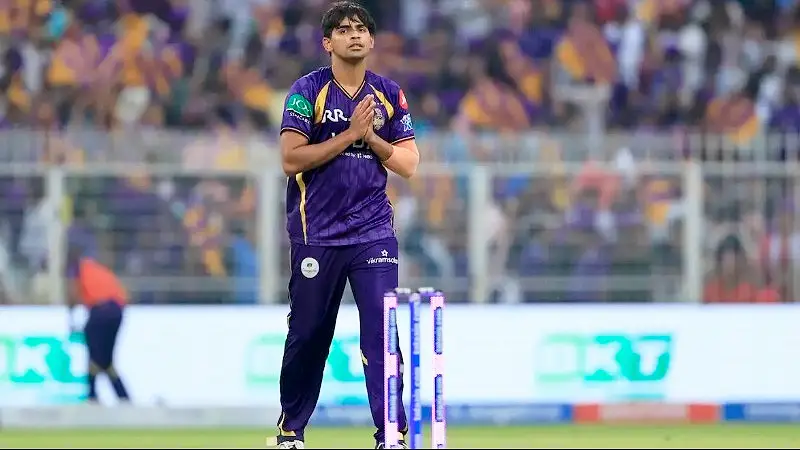

Kartik Tyagi didn’t fight his way back into cricket. He waited until the fight was worth having again. Recurring shin splints ended three separate comeback attempts between 2021 and 2024, and each return that came too early produced the same result: another injury, another rehabilitation cycle, and another lost season. The decision to stop completely and rebuild from the mechanics upward was the only choice he hadn’t tried. A remodeled action, a shortened run-up, and two domestic seasons of controlled workload later, Kolkata Knight Riders have the fast bowler they identified years ago. He’s just harder to play than he was before the injury.
Shin Splints Forced the Big Reset
Shin splints aren’t a single injury with a fixed recovery window. They’re a stress-related condition that returns whenever load management fails, which means a bowler who comes back too early simply delays the next forced break rather than ending the cycle. Tyagi experienced that pattern repeatedly across three years, and each return built around expectation rather than readiness produced shorter competitive runs than the previous one.
The rebuild required accepting that his existing action was loading mechanical stress onto his shins at a rate his body couldn’t tolerate across a full tournament schedule. Shortening the run-up reduced that load without compromising the speed and aggression at the crease that made him a genuine wicket-taking threat when fit. Every recovery process focused on root cause rather than symptom management requires athletes to be patient at precisely the moment pressure to return is highest.
Pace Returns With Smarter Variation
Bowling consistently above 140 km/h after significant injury rehabilitation is an achievement most pace bowlers returning from stress injuries don’t reliably manage. Tyagi hasn’t just recovered pace. He’s returned with weapons he didn’t carry into the injury period, which means batters face a different tactical problem from the one they memorised before his layoff.
His slower ball variations have improved measurably across the domestic performances that preceded this KKR season. Previously, Tyagi’s approach was largely one-dimensional: attack with pace, hold aggressive lengths, and trust the speed differential to create wicket opportunities.
Modern franchise T20 batting rarely rewards that narrow a plan because batters prepare specifically for raw pace once they’ve clocked it across a powerplay. Adding effective, slower deliveries forces batters to process two possible outcomes from the same delivery stride rather than one, which slows decision-making at exactly the moment when hitting boundaries requires complete confidence in shot selection. That hesitation is where his wickets will come from now.
Domestic Form Convinced KKR Selectors
The 18 wickets Tyagi claimed in the UP T20 League 2025 carried more evidentiary weight for franchise selectors than any medical report could. Wickets across a full domestic tournament demonstrate workload tolerance, competitive rhythm, and the ability to sustain intensity across consecutive match days without physical breakdown. Those are the three markers a fast bowler recovering from stress injuries has to show before a franchise commits meaningful match-day resources to his return.
Adding 27 overs across two Ranji Trophy innings without discomfort confirmed the structural fix had addressed the underlying problem rather than masked it temporarily. Selectors reviewing that domestic sequence don’t see a bowler managing through rehabilitation cricket. They see someone who has rebuilt the physical foundations required to last a complete IPL campaign without a breakdown mid-tournament.
Eden Gardens Suits IPL 2026 Comeback
Eden Gardens rewards pace bowlers who generate speed and bounce through the deck rather than relying on lateral movement or surface variation. Fast bowlers whose natural attacking mode involves rushing batters with pace find that this ground amplifies their strengths in ways that several other franchise venues don’t replicate. For Tyagi, whose entire rebuilt game centres on pace combined with disguised variation, Eden Gardens provides the most structurally favourable home conditions available in the current schedule.
- Is Kartik Tyagi’s remodeled action enough to trust him in death overs at Eden Gardens, or will a full campaign test his rebuilt body before KKR reach the playoffs? Drop your pick in the comments and follow for IPL updates.
FAQs
Q: What injury kept Kartik Tyagi out of cricket between 2021 and 2024?
Recurring shin splints caused by mechanical stress in his bowling action disrupted multiple comeback attempts across three seasons.
Q: Why did Kartik Tyagi shorten his run-up during rehabilitation?
Reducing the run-up lowered mechanical load on his shins without compromising the pace and aggression that define his bowling threat.
Q: How many wickets did Kartik Tyagi take in domestic cricket before his KKR return?
Tyagi claimed 18 wickets in the UP T20 League 2025, proving his workload tolerance and competitive rhythm were fully restored.
Q: Why does Eden Gardens suit Kartik Tyagi’s bowling style?
The surface rewards pace and bounce through the deck rather than movement, which directly amplifies his natural aggressive attacking length.