

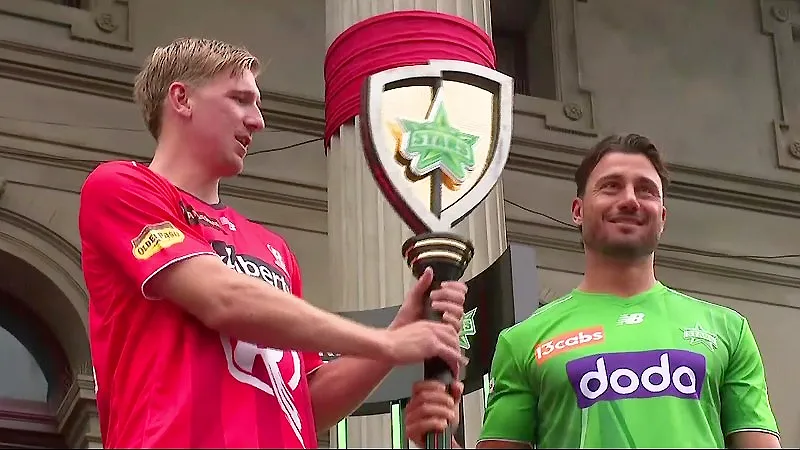

Melbourne Renegades, Perth Scorchers, Hobart Hurricanes and Melbourne Stars are embracing Cricket Australia’s self-determination privatisation model. Sydney Sixers and Sydney Thunder are rejecting it outright, with Brisbane Heat and Adelaide Strikers sitting somewhere in between. The board approved the plan on September 8, 2026, letting each state decide independently whether to sell stakes in their clubs. Renegades go first, with bids invited for a full 100 percent stake. Cricket Victoria endorsed that sale before the board even voted, while New South Wales is fighting to keep its two clubs public.
Cricket Australia’s New Ownership Model
Cricket Australia’s board approved a self-determination model for the Big Bash League on September 8, 2026, letting each state decide independently whether and when to sell stakes in their clubs. The process begins with Melbourne Renegades, for whom CA invited bids for a full 100 percent stake, targeting new ownership by the 2027-28 season.
CA CEO Todd Greenberg, who had already called private investment inevitable back in May 2026, announced the decision alongside chair Mike Baird at the SCG. Australian captains Pat Cummins and Sophie Molineux, along with Travis Head and Ellyse Perry, were present for the announcement.
BBL privatisation Melbourne Renegades Sydney Sixers
BBL Club | Privatisation Stance | Ownership Status | Key Statement |
|---|---|---|---|
Melbourne Renegades | For sale (100%) | CA caretaker to private owner 2027-28 | Cricket Victoria endorsed full sale before CA approval |
Perth Scorchers | Supportive | Western Australia, open to private investment | Keen to bring in private investment, per cricket.com.au |
Hobart Hurricanes | Supportive | Tasmania, open to private investment | Keen to bring in private investment, per cricket.com.au |
Melbourne Stars | Supportive | Victoria, open to private investment | Aligned with Cricket Victoria’s privatisation position |
Sydney Sixers | Opposed | Cricket NSW, retaining ownership | Yesterday’s announcement threatens this system, said Cricket NSW |
Sydney Thunder | Opposed | Cricket NSW, retaining ownership | NSW says its clubs are successful and healthy, profits reinvested in grassroots |
Brisbane Heat | Cautious, open later | Queensland Cricket, retaining for now | Intend to retain 100 percent ownership, remain open at the appropriate time |
Adelaide Strikers | Lukewarm, not yet | South Australia, no immediate plans | More open than NSW or Queensland but not seeking sale at this stage |
The divide isn’t procedural; it’s financial. Cricket Victoria backed the Renegades’ full sale before CA had even formally approved the model, and Western Australia and Tasmania both voiced their support too, well ahead of the vote. New South Wales condemned the move a day later, warning that introducing private investment without alignment across Australian cricket threatens its entire system.
The Clubs Holding Off For Now
New South Wales objects on financial grounds. Both the Sixers and Thunder are healthy clubs whose profits get reinvested locally, and the state points to 80 percent growth in 5 to 12-year-olds over four years, with a third of contracted players nationally coming from NSW. Redirecting those profits to private investors, the state argues, damages long-term grassroots investment.
Queensland’s position is different. It accepts the principle but objects to the financial distribution model, saying it intends to retain full ownership of Brisbane Heat while staying open to private investment at the appropriate time down the road.
The Powers Cricket Australia Keeps
Mike Baird was explicit that the board and its members keep control over the significant parts of the operation: international scheduling, player availability, salary caps, branding proposals, the reserve price a licence must clear, and approval of any investor. Any change to a club’s name or colours by a new private owner still needs CA sign-off.
The Renegades’ specific reserve price hasn’t been disclosed, though pre-announcement estimates put individual franchise valuations somewhere between 80 and 180 million Australian dollars, depending heavily on the stake sold and which particular club is involved in the deal.
The League’s Next Decade at Stake
CA faces another obstacle beyond club politics: the players’ association. Under the current 2023-28 agreement, players receive 27.5 percent of Australian Cricket Revenue, and the ACA is pushing for 33 percent, with its chief executive Paul Marsh stating that no sale can proceed without a fresh deal in place first.
CA is pressing ahead regardless, running the Renegades in caretaker mode through 2026-27. BBL 16 opens on December 12, 2026, with the Renegades facing the Scorchers in the league’s first-ever match in Chennai, the BBL privatisation Melbourne Renegades Sydney Sixers question still hanging over the opening night.
Which side of this divide gets proven right first, the sellers or the holdouts? Drop your take below.
Frequently Asked Questions (FAQs)
Which BBL teams are being privatised?
Melbourne Renegades are confirmed for a full 100 percent private sale. Perth Scorchers, Hobart Hurricanes and Melbourne Stars have all expressed interest, while Sydney’s two clubs and Brisbane Heat are not pursuing it currently.
Why did Cricket Australia approve BBL privatisation?
CA chair Mike Baird called it a step to secure the game’s long-term future. CEO Todd Greenberg had already described private investment as inevitable back in May 2026, citing competition from cash-rich leagues.
How much could Melbourne Renegades sell for?
No reserve price has been disclosed publicly by Cricket Australia. Pre-announcement estimates placed individual BBL franchise valuations between 80 and 180 million Australian dollars, depending on the percentage sold.
Will Cricket Australia still control BBL scheduling?
Yes, CA keeps control of international scheduling and player availability. It also retains salary caps, investor approval and branding sign-off regardless of who ends up owning any individual club.
What do BBL players think about privatisation?
The players’ association says no sale can proceed without a new pay deal. Players currently get 27.5 percent of Australian Cricket Revenue and are pushing for 33 percent before any sale is finalised.