

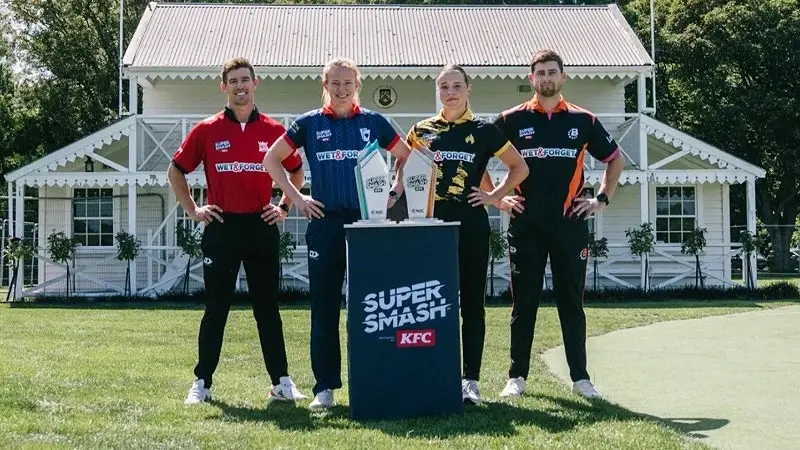

New Zealand Cricket has decided the Super Smash is finished. The replacement is not a minor refresh; it is a full franchise system with private ownership, commercial partnerships, and a structure built to attract overseas players and broadcasters. The Super Smash lasted two decades. This T20 is being asked to outperform it within two or three seasons. That is an ambitious target, and New Zealand Cricket knows it.
Why Super Smash Ran Out of Road
The Super Smash’s problem was not quality. It was relevant. It produced genuine New Zealand talent and gave domestic players a national selection platform. What it could not produce was commercial traction, broadcasting deals that rival other competitions, sponsorship from partners who want global visibility, and international player participation that drives viewership beyond the domestic audience. By the mid-2020s, it had become reliable but unloved. Administrators who watched the IPL, Big Bash, and SA20 scale commercially could not make the same case for keeping it intact.
The Franchise Model Changes Everything
The shift from regional associations to franchise ownership changes the incentive structure for everyone involved. Regional associations deliver when contracted players are available. Franchise owners invest when their product generates returns, which means they are motivated to build brands, attract commercial partners, and develop supporter loyalty that drives sustainable revenue. New Zealand Cricket, properly incentivised, develops the competition faster than centrally managed regional cricket ever could. The structural logic is sound. Whether New Zealand’s market is large enough to support it is the real question.
NZ20 Chose Independence Over Big Bash
The most revealing decision New Zealand Cricket made was rejecting closer integration with Australia’s Big Bash League. NZ20 is built as a standalone competition with its own scheduling, contracts, and commercial identity. That choice prioritises long-term sovereignty over short-term resource sharing. An integrated model would have given access to the Big Bash’s broadcaster relationships and existing infrastructure. Independence means building all of that from a smaller base. The calculation is that a New Zealand-owned league retains more value for New Zealand cricket than a shared product where the larger partner shapes the terms.
What This Means for NZ Players
For elite New Zealand T20 specialists, franchise ownership creates competition for player signatures that regional contracts never generated. If three franchises want the same player, the player’s market value rises. For developing players, franchise systems create clearly defined roles, power hitters, death over specialists, spin options in the middle overs, which accelerates skill development faster than the generalist domestic model does. Both outcomes benefit the talent pipeline.
Whether the Commercial Case Stacks Up
NZ20’s financial viability depends on variables New Zealand Cricket cannot fully control, broadcaster appetite in a market where rugby and football compete fiercely for investment, overseas player availability in a congested calendar, and supporter engagement in a country where domestic cricket historically struggles against international fixtures. Franchise leagues in comparable markets have produced mixed results. The SA20 launched well. The CPL has operated for over a decade with varying returns. New Zealand’s market is smaller than both. This can work, but the evidence from other markets says it requires sustained investment across three to five seasons before the model justifies the structural disruption.
New Zealand Cricket has made the right long-term call. Whether execution matches ambition will determine whether this becomes what it is designed to be or an expensive lesson in the gap between good strategy and difficult implementation.
- Will this tournament deliver what Super Smash never could? Does New Zealand’s market size make the franchise model too ambitious to sustain? Drop your take in the comments and follow for cricket updates.
FAQs
Why is Super Smash being replaced by NZ20?
The change reflects the need for better commercial growth and global competitiveness in T20 cricket.
How will this impact New Zealand players?
Players may benefit from higher exposure, better contracts, and more specialized T20 roles.
Will NZ20 compete with the Big Bash League?
Yes, Big Bash integration discussion suggests NZC aims to build an independent but competitive league.
Can overseas players participate in the franchise league in New Zealand?
While not confirmed, franchise models typically include international players to enhance quality and viewership.