

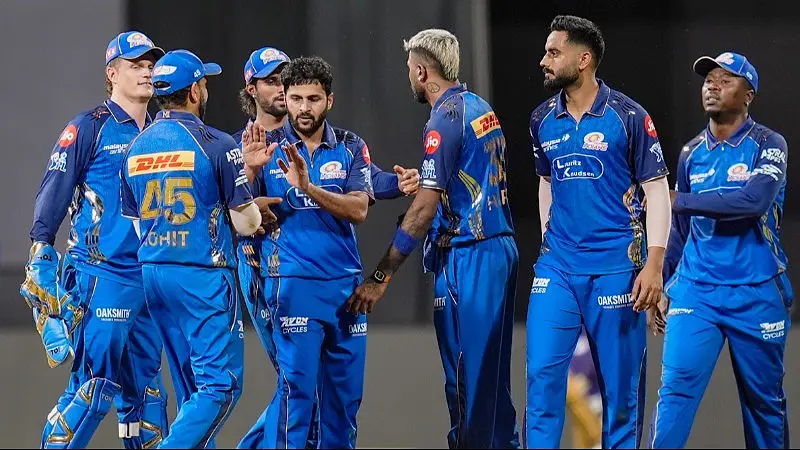

The Mumbai Indians have won five IPL titles. Each one was built on the same foundation: a settled Indian core carrying the batting, a pace attack with Bumrah at the end, and enough overseas quality to cover the positions the Indian core can’t. The version heading into this season has the strongest Indian core MI has fielded in three years, a fixed opening combination they’ve been searching for since de Kock’s first departure, and squad trades that addressed specific gaps rather than adding names for brand value.
The Indian Core Nobody Can Replicate
Rohit Sharma, Suryakumar Yadav, and Hardik Pandya form the most experienced Indian batting core in the competition. Not the most explosive, RCB have flashier options. Not the youngest, other sides have invested more heavily in domestic talent. The most experienced in the specific situations that T20 knockout cricket creates. Rohit has batted in nine IPL finals. Suryakumar has produced match-defining innings under elimination pressure. Hardik has taken wickets and scored runs in the same match when MI needed both simultaneously. That collective reference experience in the moments that matter is the resource other franchises spend seasons trying to build.
Smart Trades Covered Every Remaining Gap
The specific weaknesses that cost MI in previous seasons had defined patterns. Their death over batting was brittle when the top order failed. Their bowling had gaps in the overs between Bumrah’s powerplay spell and his return in the death overs. Sherfane Rutherford covers the first problem; his specific skill of hitting boundaries from position seven or eight when the situation is desperate rather than comfortable is exactly what MI’s middle-late order was missing. Shardul Thakur covers the second; he takes wickets in the overs between twelve and seventeen at a rate that changes the match’s trajectory regardless of what those wickets cost in economy terms.
IPL 2026 Opener De Kock Returns
Quinton de Kock’s return to MI addresses the most statistically visible weakness in their recent campaigns. Their opening combination across the seasons since de Kock’s first departure produced lower powerplay totals than any other phase of their batting. The problem wasn’t individual quality, it was the absence of a batter whose specific skill set and partnership chemistry with Rohit produced the specific combination MI’s powerplay requires. Rohit, beside him, builds the innings with the assurance that the run rate is already above par before he needs to accelerate. The opening problem was solved because the right solution came back.
Bumrah and Boult Close Every Match
The bowling combination that makes MI’s title argument most convincing is the same one it’s always been, Jasprit Bumrah in the death overs alongside Trent Boult’s new ball swing. Bumrah’s death over accuracy makes totals above 170 genuinely difficult to chase against MI because the final three overs never offer the free-scoring phase that other bowling attacks provide. Boult’s left arm swing in the powerplay creates edges from right-hand batters before their innings have established the partnership momentum that makes chasing feel comfortable.
Where MI’s Title Argument Is Strongest
Mumbai Indians’ most convincing title case rests on one specific pattern: they are the franchise most likely to have their best players performing in their best roles simultaneously across fourteen group stage matches. It’s eleven players with clearly defined functions, enough experience to execute those functions under pressure, and the squad depth to absorb the two or three injury or form disruptions that every IPL campaign produces.
MI doesn’t need everything to go right to win this year’s title. They need fewer things to go wrong than everyone else. That’s a different, and historically more successful, title strategy.
- Do Mumbai Indians have the most complete squad for IPL, or does another franchise’s individual brilliance make them the real favourite? Drop your take and follow for IPL updates.
FAQs
What makes the Mumbai Indians strong in IPL?
Their experienced Indian core and improved squad depth make them one of the most balanced teams.
How important is Quinton de Kock for the Mumbai Indians?
He solves their opening issues and adds stability plus aggression in the power play.
Which area was the Mumbai Indians’ weakness earlier?
Their inconsistent opening combination was a major concern in past seasons.
Are the Mumbai Indians the favorites to win IPL 2026?
They are among the top contenders, especially due to squad balance and experience.