

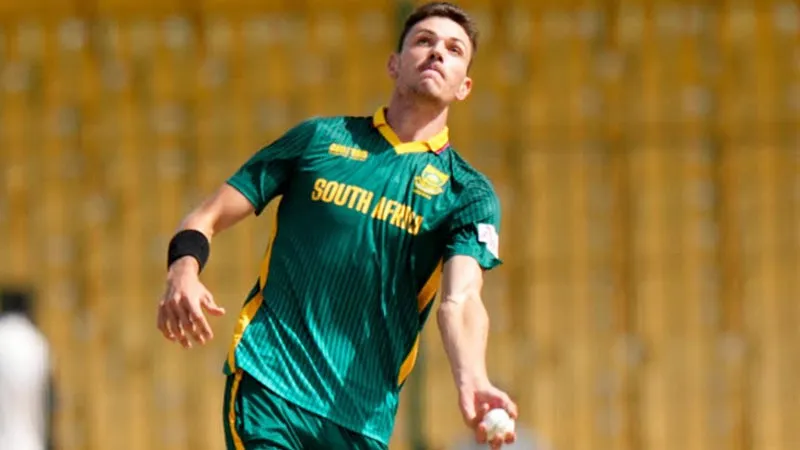

Jansen is preparing by bowling long spells now, not waiting for the series to start. He took on 26 overs and seven wickets in a domestic match just days before this ODI series, treating it as deliberate conditioning for the leadership role he’s about to inherit. With Kagiso Rabada and Lungi Ngidi both out through hamstring injuries, South Africa’s most capped bowlers are watching from home. That leaves the 26-year-old as the senior voice in a young attack facing Australia’s dangerous top order in Durban.
A Bowling Attack In Crisis
South Africa’s pace attack has been stripped bare by a string of injuries. Kagiso Rabada, the squad’s most capped seamer with 258 appearances, has been sidelined by a hamstring injury since the IPL ended in May and hasn’t played since. Ottneil Baartman was ruled out before a third blow landed: Lungi Ngidi suffered a right hamstring injury playing for the Titans against the Dolphins.
Scans on 18 September confirmed Ngidi needs rehabilitation, and his fitness for the Test series starting 9 October is being assessed. His absence matters most. With 159 caps, he and Rabada formed the backbone of this white-ball attack for years. Nqobani Mokoena, a 20-year-old who debuted against Namibia this month, has been drafted in as his replacement.
Bowler | ODI Matches | ODI Wickets | Economy Rate | Experience Level |
|---|---|---|---|---|
Marco Jansen | 32 | 49 | 6.29 | Senior All-rounder |
Gerald Coetzee | 14 | 31 | 6.48 | Recalled For Series |
Corbin Bosch | 14 | 13 | 6.71 | All-rounder |
Nqobani Mokoena | 2 | 1 | 3.83 | Young Debutant |
Marco Jansen South Africa ODI pace leadership
At 83 international appearances, the left-arm quick is now the most experienced seamer left in this squad. His numbers back the promotion: 49 wickets from 32 ODIs at an economy of 6.29, with a five-wicket haul his career-best return. He sits fourth in the ICC’s Test bowling rankings, underlining his standing as one of the format’s premier left-armers.
Speaking from Durban before the opener, he was candid about what’s been lost. Rabada and Ngidi know South African conditions inside out, and their knack for settling things down under pressure is exactly what a young attack now has to find elsewhere. He accepted that steadying role falls to him now, calling it new territory he’s genuinely eager to take on.
Building Composure Through Domestic Cricket
The buildup to this test didn’t start in Durban. In the domestic season opener against the Dolphins, he bowled 26 overs, more than anyone else on either side, a workload described as deliberate pre-season conditioning rather than accident. He backed it up with seven wickets in that match, steering the Titans to victory.
Arriving with form and overs in the legs, not just a title change, is the strongest platform he could have built. He’s called this his first experience of carrying such responsibility, and said he’s looking forward to discovering what he can do when trusted with it.
Facing Australia’s Fearless New Batting
The examination waiting for this attack is not abstract. Australia arrive fresh from a series in Zimbabwe where Mitchell Marsh and Travis Head tore into bowling attacks inside the powerplay. Head reached fifty off just 32 balls in the second ODI there and went on to make 112 from 84 deliveries, and he’s made no secret of wanting bowlers under pressure from ball one.
This is an attack without Rabada’s experience of opening the bowling at home, and without Ngidi’s feel for extracting swing here. Holding an end, finding early movement, and stopping the powerplay from running away are the jobs at hand, all while setting a composed example for Coetzee, Bosch, and Mokoena.
The Test Series Still Awaits
There’s a bigger picture behind this series. South Africa host Australia in a three-Test series from 9 October, also in Durban, and there’s no certainty over whether Rabada or Ngidi will be fit for it. Whatever happens with the ball only strengthens or weakens the case for who leads that attack.
He was already a key figure in South Africa’s 2025 World Test Championship win and sits among the format’s top five bowlers, so the credentials aren’t in question. What this brief series really tests is whether Marco Jansen’s South African ODI pace leadership becomes the template for the Test attack too, at a moment the Proteas can’t afford to get it wrong.
Can a 26-year-old with no leadership experience hold this attack together against Australia’s top order? Say your prediction below.
Frequently Asked Questions (FAQs)
Is Kagiso Rabada playing against Australia in the ODI series?
No, Rabada has been ruled out of the entire three-match series with a hamstring injury. He hasn’t played competitive cricket since the IPL ended in May 2026.
Who is leading South Africa’s pace attack against Australia?
The 26-year-old left-arm quick is now the senior seamer in the squad. He has 83 international caps across formats, well ahead of any other seamer currently available.
How many wickets has South Africa’s new pace leader taken in ODI cricket?
He has taken 49 wickets from 32 ODI appearances so far. That comes at an economy rate of 6.29, with career-best figures of 5/39.
When does the South Africa vs Australia ODI series start?
The three-match series begins on 24 September 2026 in Durban. The second ODI follows in Johannesburg on 27 September, then the third in Potchefstroom on 30 September.
Why is Lungi Ngidi’s injury such a big blow for South Africa?
Ngidi and Rabada have formed the attack’s experienced spine for years. His 159 international caps outweigh anyone else left in this depleted bowling group.