

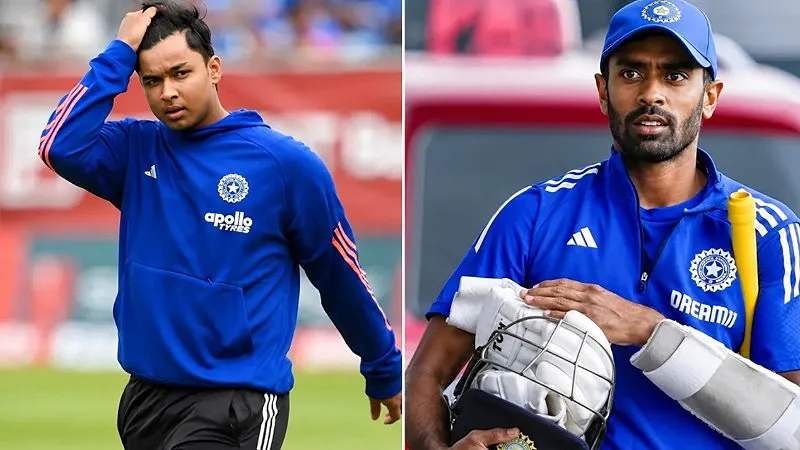

Easwaran carries a century’s worth of first-class cricket over Sooryavanshi, literally: 100-plus matches and a 48.44 average against eight matches and 17.25. Yet East Zone handed the thinner résumé the vice-captaincy for this Duleep Trophy. The gap on paper isn’t close, and pundits like Harsha Bhogle have said so in public. Sooryavanshi’s talent was never the question. What is in question is whether red-ball volume should count for anything when a senior domestic side names its deputy, and right now the selectors are betting it shouldn’t.
A Decision the Numbers Don’t Obviously Support
Bhogle raised the issue directly on social media on July 30, 2026, questioning why a batter with just eight first-class matches was made deputy of a senior red-ball side. His point wasn’t about Sooryavanshi’s inclusion in the East Zone squad, which nobody disputes given his white-ball form.
It was about pairing someone with a dozen first-class innings alongside a player with more than a hundred. Sooryavanshi is extraordinarily talented. He is also, by Bhogle’s own framing, still at the bottom of the learning curve in the longer format, which makes the deputy tag look premature rather than earned.
Sooryavanshi Easwaran Duleep Trophy Comparison
The table settles the argument before any narrative does. Easwaran averages 48.44 across more than a hundred appearances with 25 centuries to his name, a body of work that includes captaining India A and Bengal. Sooryavanshi has played eight matches for 207 runs at 17.25, with a best of 93 and no century yet.
Player | FC Matches | FC Average | Captaincy Experience |
|---|---|---|---|
Vaibhav Sooryavanshi | 8 matches (12 innings, 207 runs) | 17.25 (best: 93) | Bihar VC (2025-26); India U19 VC |
Abhimanyu Easwaran | 100+ matches (25 centuries) | 48.44 | India A captain; Bengal captain; East Zone VC (2025-26) |
Nothing in that row-by-row breakdown makes the vice-captaincy look like a like-for-like contest, which is exactly why the decision has drawn scrutiny from people who watch the format closely.
Sooryavanshi’s First-Class Numbers So Far
Seventeen point two five from twelve innings is a number that describes a batter who hasn’t found his footing in four-day cricket yet. His highest score remains 93, and he is still hunting his first century at this level. None of that erases his white-ball ceiling, but red-ball cricket runs on a different clock.
The conventional India pathway runs through Ranji Trophy, Duleep Trophy, Irani Cup and India A, building volume before responsibility. Sooryavanshi is being fast-tracked past the volume stage entirely, straight into a leadership role most players earn only after seasons of accumulated proof.
That isn’t a knock on his ceiling. Plenty of batters have taken years to convert white-ball instincts into red-ball patience, and 93 as a highest score suggests the raw ability to bat long periods is already there. It just hasn’t shown up in the average yet.
Easwaran’s Case Was Stronger on Paper
Easwaran did the pathway the traditional way and has little to show for it beyond respect. He has captained India A, captained Bengal, and served as East Zone’s vice-captain in the 2025-26 season, yet a Test cap has stayed just out of reach despite senior squad involvement for years.
A representative on the East Zone selection panel described the vice-captaincy handed to Sooryavanshi as intended to be a learning experience rather than a prize, which is a telling admission. It concedes, without quite saying so, that the appointment doesn’t reflect where Sooryavanshi currently stands as a red-ball batter.
A Development Bet, Not a Reward
The selector behind the call has been candid that the thinking was developmental. He wanted to build Sooryavanshi as a leader early, pointing to his vice-captaincy stints with Bihar and India U19 as proof he can handle responsibility, even if the batting numbers haven’t caught up.
It’s a reasonable enough bet on potential. Teams do sometimes fast-track leadership development deliberately, betting that early exposure builds better captains than waiting until the runs pile up on their own.
That argument may age well if Sooryavanshi’s red-ball game matures quickly. But it means East Zone is using the vice-captaincy as a classroom rather than a reward for performance, and the entire Sooryavanshi Easwaran Duleep Trophy comparison exists because those are two very different justifications for the same title.
Does East Zone’s bet on developing Sooryavanshi as a leader pay off before his batting catches up, or does this become a cautionary tale? Share your take in the comments.
Frequently Asked Questions (FAQs)
What is Vaibhav Sooryavanshi’s first-class batting average?
He averages 17.25 from twelve innings across eight first-class matches. His 207 runs include a best of 93, and he hasn’t scored a first-class century entering the 2026-27 Duleep Trophy season.
How many first-class matches has Abhimanyu Easwaran played?
Easwaran has played more than 100 first-class matches at an average of 48.44. That record includes 25 centuries and a stint as East Zone’s vice-captain during the 2025-26 domestic season.
Why did Harsha Bhogle question the East Zone vice-captaincy pick?
Bhogle argued the pick doesn’t match red-ball experience levels between the two players. He noted the deputy has played just eight first-class matches against a teammate’s hundred-plus.
Who captains East Zone in the Duleep Trophy 2026-27?
Ishan Kishan leads East Zone, with Sooryavanshi as his deputy. Easwaran, Mohammed Shami and Mukesh Kumar are also named in the squad for the tournament starting August 23 in Bengaluru.
Has Abhimanyu Easwaran played for India A?
Yes, Easwaran has captained India A across multiple series in recent seasons. Despite a 48.44 first-class average and 25 centuries to his name, a senior Test cap has still eluded him.