

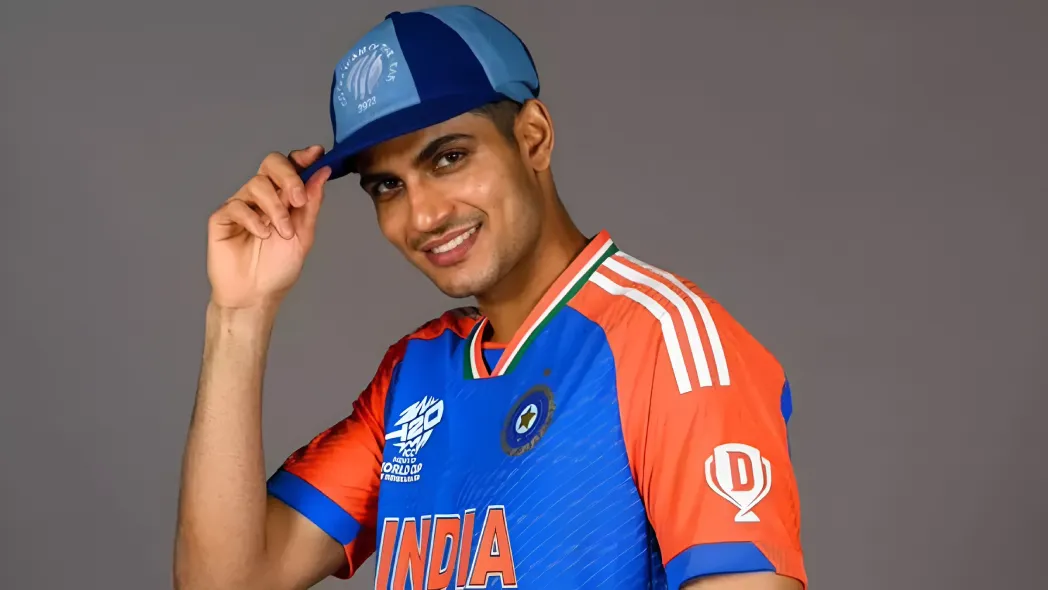

There’s a peculiar irony in modern Indian cricket: you can be the ODI captain, a three-format superstar, and still find yourself watching a T20 World Cup from the couch. Shubman Gill’s omission from India’s 2026 T20 World Cup squad feels shocking on the surface, but dig deeper, and it starts to look like a calculated philosophical shift rather than a personal failure.
The most recent statistics for Gill in T20I cricket serve as the recent basis for entering this debate. In fifteen games, Gill scored 291 runs for an average of 24.25 with a strike rate of 137.26, neither of which is abysmal, but certainly don’t represent what has become the minimum requirement in today’s game of scoring a hundred and fifty plus in the shortest format of the game.
Strike Rate Isn’t Just A Number
Gill tried to remodel his classical game to fit India’s hyper-aggressive T20 template. The intent was visible, but intent without damage is just shadow boxing. A strike rate of 137.26, while respectable globally, pales against domestic benchmarks set by Rinku Singh or Ishan Kishan, both recalled precisely because they don’t need a settling period.
Role Clarity Became A Casualty
He tried to do it all (be the anchor, the aggressor, the leader), but Gill ended up doing none of them consistently. He forced India to make some unappealing middle-order adjustments by playing ahead of in-form batter Sanju Samson for a spot in the top three. Modern T20 teams’ value consistent, “plug and play” clarity, yet Gill became a tactical question for his team.
Selectors Choose Impact Over Potential
The axe didn’t fall overnight. A poor home series against South Africa, followed by a foot injury before the fourth match, narrowed the selectors’ patience window. Axar Patel’s appointment as vice-captain over Gill wasn’t symbolic; it was functional. India wanted flexibility, bowling depth, and tactical elasticity.
Injury Timing Didn’t Help The Case
A neck issue followed by a foot injury meant Gill missed rhythm at the worst possible time. T20 selection is unforgiving; availability is often confused with reliability. By the time Gill returned, others had already solved problems he was still being asked to fix.
Shubman Gill’s omission from the 2026 T20 World Cup squad isn’t an indictment; it’s a directional signal. India is done waiting for players to adapt mid-tournament. They want specialists who arrive pre-packaged for chaos. Gill, to his credit, has responded with composure, perspective, and a rare public emphasis on preparation, especially red-ball readiness after the South Africa Test debacle.
His comments reveal a captain thinking long-term, not sulking short-term. With an ODI series against New Zealand in Vadodara marking his injury comeback, Gill’s story feels paused, not ended. In Indian cricket, timing is everything, and Gill’s next reinvention might arrive in whites before it does in colored clothing.
Key Takeaway
Shubman Gill didn’t lose his place. India changed the rules of selection.
FAQs
- What factors contributed to Shubman Gill missing out on India’s T20 World Cup squad?
A combination of modest T20I returns, role ambiguity, injuries, and India’s shift toward impact-based selection.
- Why did India prefer players like Rinku Singh and Ishan Kishan?
Their ability to deliver immediate acceleration without compromising team balance.
- How has Gill responded to the selection setback?
With maturity, respecting the decision, focusing on preparation, and returning fit for the ODI series against New Zealand.
Disclaimer: This blog post reflects the author’s personal insights and analysis. Readers are encouraged to consider the perspectives shared and draw their own conclusions.
Step into the world of cricket with JeetBuzz News—where expert opinions, trending Blogs, and behind-the-scenes insights meet all your favorite topics. Stay informed, stay entertained, and never miss the stories shaping the cricketing world—only on JeetBuzz News!