

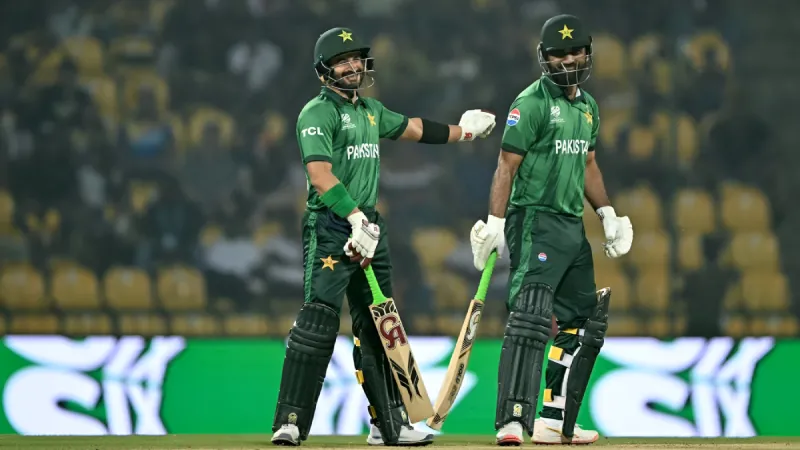

Sahibzada Farhan scored roughly 38 percent of Pakistan’s total runs across the entire tournament. One batter. Thirty-eight percent. That single statistic explains the exit more clearly than any tactical breakdown or selection debate. When a team’s scoring is that concentrated in one player, it is not a form problem or a confidence problem; it is a structural failure that was built into the squad’s construction long before the first match was played. Pakistan arrived at this tournament with experienced names, emerging talent, and more pre-tournament cricket than most sides. None of it produced a batting lineup that distributed the scoring burden across seven or eight contributors. That is the problem that keeps repeating.
Nobody Knew Their Role Here
The debate about where Babar Azam should bat has persisted for years without resolution. Captain Salman Agha, moving himself up the order during the tournament, added another layer of uncertainty. Saim Ayub opened with inconsistent form and never settled into a defined power-play role. Fakhar Zaman, one of Pakistan’s most destructive batting options against certain bowling types, sat unused in situations where his aggression might have changed a game.
One Batter Carried the Whole Innings
Farhan’s 38 percent run share is not just a number. It is evidence of what happens when a batting lineup has no depth of consistent contributors. Babar and Salman Agha were expected to anchor the innings while power hitters attacked around them. That balance never materialised. Pakistan regularly lost early wickets, struggled to rebuild momentum in the middle overs, and arrived at the death overs with the innings already under pressure and the required rate already climbing.
T20 World Cup 2026 Tactics Backfired
The on-field decisions compounded the structural problems. In T20 World Cup 2026 knockout-pressure situations, Pakistan’s captaincy choices around bowling changes and matchups suggested a team reacting to the moment rather than executing a pre-planned approach.
Usman Tariq was introduced at phases where the opposition had already established scoring momentum, removing the benefit of his variations against fresh batters. Abrar Ahmed, Pakistan’s most effective T20 spinner in the previous series, was pulled from the attack after one poor spell rather than being given the confidence to work through it. That lack of patience with a specialist who had earned his place reflects a leadership group managing anxiety rather than managing a game plan.
Too Much Cricket Too Little Clarity
Pakistan played a heavy schedule of T20 internationals and domestic league cricket before the tournament. The volume created optimism. It did not create a settled combination or a clear tactical identity. Player rotation continued throughout the preparation phase, batting positions changed between series, and the squad arrived at the tournament still uncertain about its best XI.
What Must Change Next Cycle
The pattern Pakistan displayed in this tournament is not new, and it will not fix itself. Fixing it requires three specific changes: settling the top four batting positions at least eighteen months before the next global event, identifying the powerplay aggressor and protecting that role regardless of one or two bad performances, and giving specialist bowlers like Abrar Ahmed consistent runs in the team rather than conditional opportunities based on recent returns.
Pakistan has the individual talent to compete with any side in the world. They keep losing tournaments because individual talent without structural clarity is not enough at this level. The next cycle starts now. Whether Pakistan use it differently than the last one is the only question that matters.
Can Pakistan finally build a settled batting structure before the next global tournament, or will the same selection debates still be happening twelve months from now? Drop your take in the comments and follow for T20WC 2026 updates.
FAQs
Why did Pakistan struggle in the ICC Men’s T20WC?
Pakistan struggled mainly due to inconsistent batting partnerships, unclear player roles, and tactical decisions that did not always match the match situation.
How important was Sahibzada Farhan to Pakistan’s batting?
Sahibzada Farhan carried a major share of Pakistan’s scoring during the tournament, highlighting the lack of consistent contributions from the rest of the lineup.
Why was Abrar Ahmed’s role debated during the tournament?
Abrar Ahmed had been Pakistan’s most effective T20 spinner in the previous series, but limited opportunities during the tournament raised questions about team strategy.
Can Saim Ayub become a long-term opener for Pakistan?
Saim Ayub is considered a high-potential aggressive opener, but he still needs consistent performances at the international level to secure that role permanently.
Which players were central to Pakistan’s leadership group?
Players like Salman Agha and Babar Azam formed the leadership core, responsible for guiding strategy and decision-making during matches.
Disclaimer: This blog post reflects the author’s personal insights and analysis. Readers are encouraged to consider the perspectives shared and draw their own conclusions.