

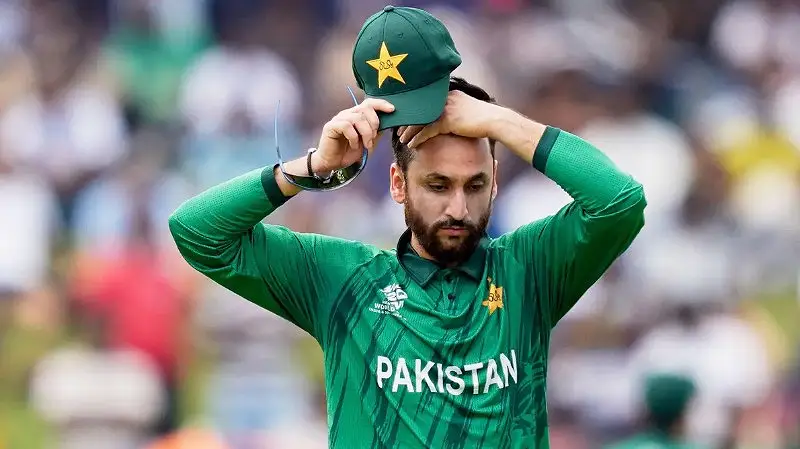

Pakistan has exited the T20WC without reaching the semi-finals. The calls for a captaincy change arrived before the squad had even landed home. They always do after a Pakistan tournament exit. But this time, the case for keeping Salman Agha is stronger than the noise suggests, and the case for replacing him is weaker than the critics admit.
There is no obvious successor. That changes everything.
Why Pakistan’s T20 World Cup 2026 Campaign Failed
Pakistan’s tournament unravelled before Salman Agha made a single tactical error. The squad arrived at the World Cup having dropped Babar Azam for two matches in the lead-up series, recalled him, then built a batting order around him that nobody had rehearsed. Shaheen Afridi was managing a workload issue that limited his powerplay aggression across three of Pakistan’s five matches. Shadab Khan bowled through a form slump that reduced his wicket threat to near zero in the group stage.
These are selection and preparation failures. They belong to the selectors and the system, not the captain standing at mid-off trying to manage an unsettled lineup with mismatched roles. Pakistan averaged 148 in their three defeats in this tournament. A batting lineup averaging 148 is not a captaincy problem. It is a squad construction problem.
Salman Agha’s own batting returns were modest, averaging 19 across five innings. That is a fair criticism. But no Pakistan captain since Imran Khan has won a major ICC tournament by batting well personally. The role requires tactical management of others, and on that measure, Agha’s record across this campaign is not the disaster it has been portrayed as.
The Succession Problem That Makes Changing Captains Dangerous
Every name floated as Agha’s replacement carries a significant qualification. The leading candidates either lack consistent selection in the T20 squad, are rebuilding their own batting form after difficult periods, or have captained before and presided over similar exits.
Pakistan needs a captain who holds an undisputed place in the XI. Removing Agha to appoint someone whose own spot in the squad is debatable does not solve the leadership problem. It creates two problems where one exists. In modern T20 cricket, captains manage match-ups across phases, adjust bowling rotations based on batter tendency data, and make field setting decisions under scoreboard pressure in real time. Doing that while also fighting for your own place in the team produces paralysis, not clarity.
The strongest argument for continuity is simply this: Pakistan has changed its T20 captain seven times in the last decade. They have not won an ICC title in that period. The captaincy changes did not produce improvement. There is no evidence that an eighth change produces a different outcome.
What Pakistan Must Fix
Keeping Agha is not the solution. It is the starting point. The actual work is structural, and it needs to happen regardless of who holds the captaincy.
Pakistan needs a settled batting order that does not change based on selection politics. The top four should be fixed for eighteen months minimum, with all three formats building toward the same combination rather than experimenting independently. Shaheen needs to be managed across formats so he arrives at major tournaments with full pace and full confidence rather than protecting a shoulder through group stage matches. The all-round balance, specifically the question of whether Shadab Khan or Agha himself provides the best spin option in the XI, needs a definitive answer before the next tournament cycle begins.
Back Agha for two years, give him a settled squad, and reduce the selection noise. If Pakistan improves, continuity is justified. If results stay the same with those structural fixes in place, then the captaincy conversation becomes legitimate. Right now, it is just a distraction from harder questions.
FAQs
What is Salman Agha’s record as Pakistan captain in T20s?
His leadership tenure is still developing, and results have been mixed, making long-term evaluation incomplete.
Why is there a Pakistan cricket captaincy debate after the World Cup?
Inconsistent performances and squad rotation before the tournament triggered questions about leadership clarity and planning.
Who could be Pakistan’s T20 captain after the World Cup if a change happens?
Potential options exist, but none currently combine consistent selection, form, and proven international leadership authority.
Can Pakistan fix the squad combination issues without changing the captain?
Yes, clearer role definition and stable selection policy can improve balance even under the same captaincy.