

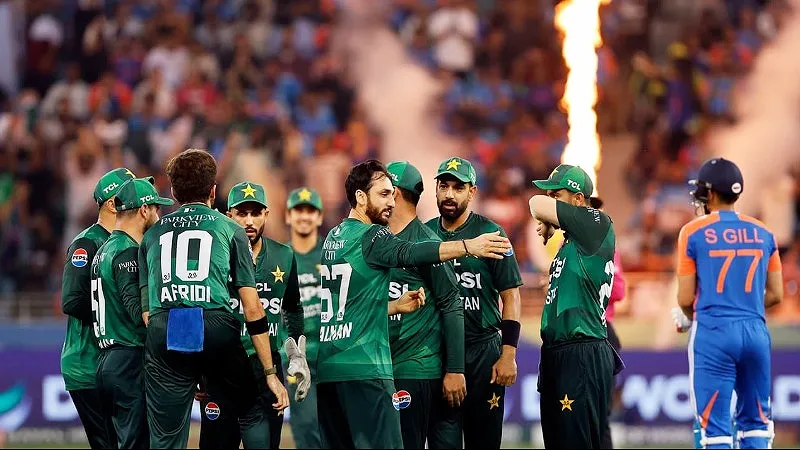

The India-Pakistan match is still not officially confirmed because ongoing ICC PCB talks, Pakistan’s boycott threat, and the unresolved Bangladesh exclusion T20 WC issue continue to shape negotiations. While there is cautious optimism that the group-stage clash will be held at the Colombo venue, nothing has been finalized yet. The ICC and PCB are attempting to balance political pressure, governance disputes, and tournament integrity, making the India-Pakistan group match status one of the most closely watched developments of the tournament build-up.
ICC–PCB Negotiations Explained
Since Pakistan announced its participation in the T20WC 2026, but that they would not compete against India, the ICC has been in continuing discussions with Pakistan’s PCB. The level of negotiations does not focus only on the India-Pakistan ICC match; there are fundamental issues of governance not being addressed. The PCB’s assurance of participation is linked directly to the issue of their treatment of Bangladesh, questions surrounding the distribution of revenues, and their treatment in terms of future hosting of events. Therefore, the PCB has turned the India-Pakistan match into leverage versus acting as a standalone sporting event.
Why Pakistan Threatened a Boycott
According to the PCB, Pakistan’s position against India regarding the boycott of matches comes from perceived “double standards” by the ICC. Pakistan was against the decision to remove Bangladesh from playing matches in India due to security reasons, because at the time of the vote, Pakistan supported Bangladesh and was thus criticizing the ICC for that decision, rather than directly attacking India. This creates complications in reaching an easy resolution to this conflict.
Colombo Venue And Neutral Conditions
A key component of the compromise is the choice to hold the India-Pakistan match in Colombo. Sri Lanka offers political distance, logistical viability, and neutral conditions. Colombo’s slower surfaces lessen the tremendous home advantage from a cricket perspective, which is consistent with the ICC’s desire for competitive balance. Venue neutrality has historically been the most workable solution in India–Pakistan tournaments.
T20WC 2026 Group Stage Impact and Scheduling Reality
From the perspective of the structure of the tournament, the outcome of the India-Pakistan group match will affect broadcast plans, group momentum, and certainty of scheduling. As both countries have already begun their campaigns, the ICC faces increasing pressure to resolve any outstanding issues quickly. Delayed answers create the risk of not only disappointing fans waiting for clarity but also creating operational delays and disrupting the competitive balance.
Financial Stakes Behind the Scenes
Within ICC circles, the commercial value of an India-Pakistan match is widely acknowledged, despite the fact that precise numbers are not disclosed. Decision-making is influenced by revenue-sharing plans, sponsorship arrangements, and broadcasting commitments. Financial equity is a primary motivator of negotiations, not an afterthought, as evidenced by Pakistan’s request to review the ICC revenue distribution.
ICC Politics and Precedent
This situation mirrors past ICC events where bilateral tensions influenced tournament logistics, including neutral-venue matches in previous global events. Historically, the ICC has prioritized tournament completion over bilateral disputes, often opting for compromise venues rather than cancellations. The current scenario fits that pattern, with administrative negotiations outweighing on-field considerations. The key difference in 2026 is the added layer of revenue governance and co-hosting assurances, making this more complex than earlier standoffs.
Key Takeaway
The India–Pakistan clash at the 2026 T20 World Cup hinges more on ICC governance and revenue politics than on cricketing logistics.
FAQs
Why is the India-Pakistan T20 World Cup 2026 match uncertain?
Because Pakistan linked participation to unresolved ICC decisions involving Bangladesh, revenue sharing, and governance fairness.
Will the India-Pakistan match be played in Colombo?
Colombo is the leading neutral venue option, but final confirmation has not been announced.
What role did Bangladesh play in this issue?
Bangladesh’s exclusion from the tournament triggered Pakistan’s protest and intensified ICC–PCB negotiations.
Can the ICC force Pakistan to play India?
The ICC can impose sanctions, but historically it prefers negotiated solutions to avoid tournament disruption.
Is this affecting the India Pakistan group match status?
Yes, scheduling clarity, broadcast planning, and group-stage balance all depend on a final decision.