

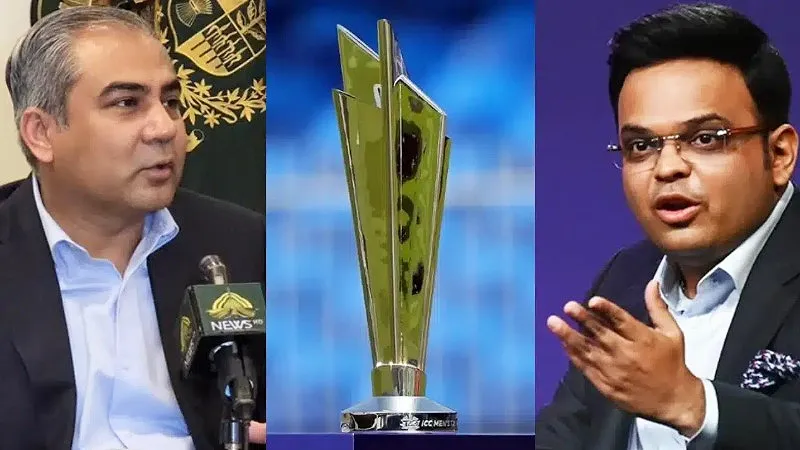

PCB’s boycott of the India T20WC match has come under scrutiny because the Cricket governing body is questioning whether Pakistan’s decision to skip the India match genuinely meets the legal threshold required under regulations. At the center of the matter are the Force Majeure clause events, the PCB government order Force Majeure, and whether this situation constitutes an ICC Members Participation Agreement breach. The ICC is not debating political context alone; it is examining compliance, mitigation efforts, and the wider governance impact of the decision.
How Force Majeure Applies
Force Majeure in ICC tournaments is a very narrowly defined and contractually regulated term within the Members Participation Agreement of the ICC. Government directives may qualify as Force Majeure if the member can prove that the order was unavoidable and that all reasonable steps were taken by the member to mitigate disruption. In this current ICC vs PCB dispute explained above, the governing body has also officially requested the PCB to provide evidence of such mitigation efforts (an essential condition for claiming Force Majeure, which is usually not discussed publicly). Without such evidence, invoking Force Majeure could be viewed as a breach of contract rather than as a justified exemption from the obligations under the terms of the membership agreement.
Why ICC Is Questioning PCB’s Justification for T20 World Cup Boycott
The International Cricket Council’s concerns are with the process, not the politics of the situation. The Pakistan Cricket Board (PCB) stated that a governmental position was taken in order to demonstrate solidarity within their region; however, the ICC rules provide for clear and concise language regarding whether a government position would have the legal authority to prevent the team from participating in international competition. The Pakistan-India T20 controversy highlights this requirement further, as the International Cricket Council will be required to determine if the team’s decision to withdraw from the competition was mandatory or at their discretion. Although voluntary withdrawal from an international cricket competition, even when done under political pressure, may meet some aspects of a force majeure, it does not automatically fulfill all requirements.
Commercial and Governance Consequences
India–Pakistan T20 World Cup boycott carries measurable commercial impact. The broadcast agreements, sponsorship commitments, and tournament scheduling are all structured around marquee matches. While no official figures have been released, the ICC has warned the PCB about potential claims for material damages and governance penalties. This elevates the situation from a symbolic protest to a case involving legal action against PCB, including possible disciplinary measures under the constitution.
Mitigation, Compliance, and Data Thresholds
Under International Cricket Council rules, Force Majeure claims are evaluated on evidence, not intent. Documentation of engagement, contingency planning, and attempts to play the fixture are critical data points. The ICC’s inquiry suggests concern that these thresholds may not have been fully met. This technical scrutiny explains why the ICC Members Participation Agreement breach discussion is central to the case rather than match forfeiture alone.
If the PCB believes precedent exists for their stance, the ICC is focused on mitigation, evidence, and commercial implications, which suggest the final decision will be based upon compliance as opposed to sentiment. The most probable conclusion to this dispute is a negotiated settlement as opposed to further escalation; however, this case will probably establish new standards regarding how the term “Force Majeure” will be interpreted within future cricket tournament applications.
Key Takeaway
The ICC’s challenge to PCB is about contractual compliance and mitigation, not political alignment.
FAQs
What is Force Majeure in ICC events?
It is a legal exemption allowing non-participation only if an uncontrollable event meets strict ICC criteria.
Why is the ICC questioning PCB’s Force Majeure claim?
Because rules require proof of mitigation and compulsory restriction, not just political justification.
Can the ICC take legal action against PCB?
Yes, regulations allow financial claims and disciplinary action if obligations are breached.
Does this affect future Pakistan–India matches?
It may influence how future withdrawals are evaluated, especially in ICC tournaments.
Is a government order enough for Force Majeure?
Only if it legally prevents participation and mitigation efforts are clearly demonstrated.