



There’s something almost mystical about India’s No. 3 spot in ODIs, a batting position that has produced both classical run-sculptors and cold-blooded chase-machines. And right now, Virat Kohli is reminding the cricketing world why this slot is more throne than batting position. With 237 runs in just two innings against South Africa, including 135 in Ranchi and 102 in Raipur, Kohli isn’t just in form; he’s in that frightening, vintage, premeditated-destruction mode.
The irony? At 37, when most legends quietly exit through nostalgic video montages, he’s still rewriting lists he already owns. His 53 ODI centuries, 46 of them at No. 3, make him statistically untouchable. But this isn’t just the Kohli show. India’s history at No. 3 is packed with elegance, grit, stubbornness, and occasionally, sheer poetry.
Virat Kohli: The Modern Blueprint of No. 3
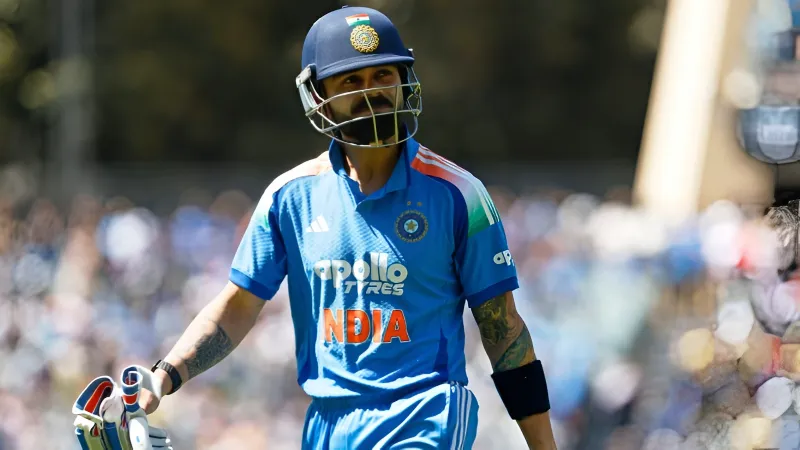 Virat Kohli
The incredible fact of the matter is here – the fiery breathing wall; no other international cricketer has as strong a hold on their batting position as Kohli has at ODI number three. He has had an unbelievable run of play at this spot: 46 centuries, 65 fifties, a 60.94 ODI batting average, and a 94.42 ODI strike rate over 243 games.
His four-century scores can stand alone as individual biographies of power: 183 against Pakistan (Asia Cup, 2012), 166 against Sri Lanka (2023), 100 in 52 balls against Australia (2013), and 160 against South Africa (2018). The way he has put together his current series, 237 runs in two games – it’s just another sequel in the same universe; Kohli decides, bowlers follow suit.
Rahul Dravid: The Quiet Giant of No. 3
 Rahul Dravid
Rahul Dravid’s ODI résumé at No. 3 reads like a masterclass no one talks about enough. 4,000 runs, seven centuries, and 27 fifties in 112 matches, all at a time when strike rates weren’t currency but craftsmanship was.
His 153 vs New Zealand (1999) remains a textbook in anchoring. His 145 at Taunton in the 1999 World Cup showcased an aggressive alter-ego many didn’t expect. Dravid didn’t merely occupy No. 3; he refined its architecture.
Kohli is the most successful player to have batted at no. 3 in terms of the number of centuries he has scored at this position, however, he has taken an extremely challenging job and has turned it into an almost ritualistic task to make runs at no. 3. The legacy of the no. 3 positions in Indian cricket go beyond that of one player (generations, styles, etc.), but for the individual player, it is a significant part of their career.
VVS Laxman: The Artist in a Format of Mechanics
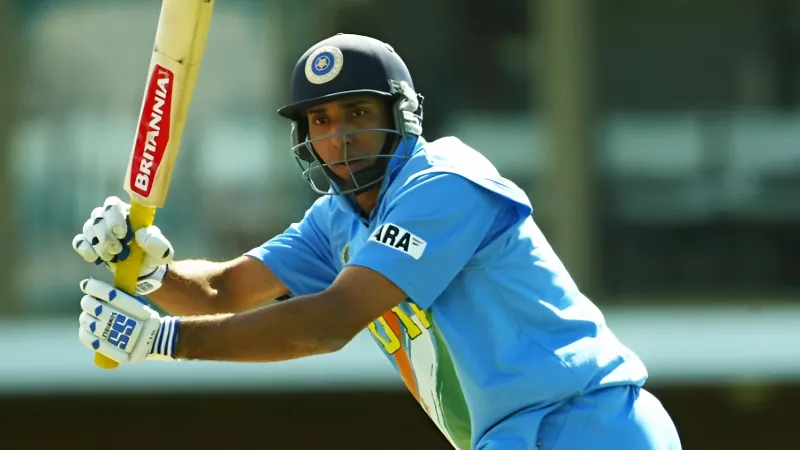 VVS Laxman
Laxman at No. 3 was an aesthetic experience India didn’t indulge in often enough. In 60 matches, he quietly built 1,966 runs with six centuries, many of them painted against his favourite canvas: Australia.
Margao, Gwalior, Brisbane, Sydney. Laxman’s soft hands and unhurried wrists repeatedly tormented the Aussies. His 107 in Lahore (2004) remains one of his most underrated ODI gems. While his strike rate (74.52) wasn’t era-defining, his poise was. Laxman didn’t attack games; he elevated them.
Key Takeaway
India’s No. 3 isn’t just a batting spot, it’s a generational proving ground.
FAQs
- What makes No. 3 such a critical position in ODIs?
It balances early damage control with innings-building, demanding both skill and temperament.
- Why is Kohli’s record at No. 3 unmatched?
He combines efficiency, longevity, and unrivalled conversion rates across formats and opponents.
- How did older legends shape the role differently?
Each era shifted priorities from Ganguly’s stability to Dravid’s anchoring to Kohli’s controlled aggression.
Disclaimer: This blog post reflects the author’s personal insights and analysis. Readers are encouraged to consider the perspectives shared and draw their own conclusions.
Step into the world of cricket with JeetBuzz News—where expert opinions, trending Blogs, and behind-the-scenes insights meet all your favorite topics. Stay informed, stay entertained, and never miss the stories shaping the cricketing world—only on JeetBuzz News!