

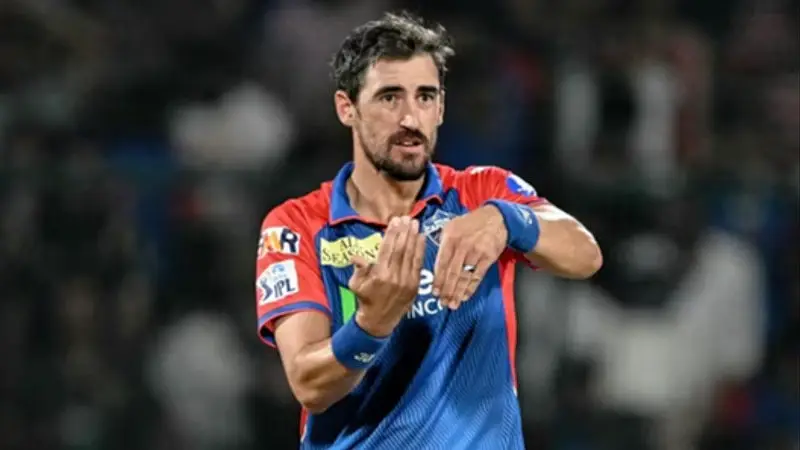

Mitchell Starc’s absence from the Delhi Capitals’ campaign isn’t a single-match problem. It’s a compounding one. Every match without him means a power play without the left arm swing that creates early edges. Every match without him means a death-over phase without the yorker accuracy that restricts totals in the final four overs. His dual function, new ball wicket taker and death over specialist, covers two of the three most important bowling phases in T20 cricket from one overseas slot. DC’s bowling plan was built around those two functions being available simultaneously. Without them, everything else in the bowling unit is covering a gap rather than fulfilling a role.
Collective Execution Cannot Replace Starc’s Quality
The specific adjustment DC is making, distributing Starc’s bowling responsibilities across multiple bowlers, is the right tactical response and an insufficient one simultaneously. Collective execution works when the collective has the quality to cover the individual’s specific functions. Starc’s swing with the new ball at over 140 kilometres per hour, generating edges from top-order batters in the powerplay, isn’t a function that multiple medium-pace variations replicate adequately. His death-over yorker accuracy at full pace isn’t a function that splitting those overs between two different bowlers produces at the same level. The collective covers the overs. It doesn’t cover the quality within them.
IPL 2026 Proved Starc Irreplaceable for DC
The specific quality that IPL 2026’s batting-friendly venues require from bowling attacks is what Starc provides, and DC’s alternatives don’t. On flat surfaces where the ball comes onto the bat consistently and boundaries are routine, pace bowlers who generate natural wicket-taking opportunities through pace alone are the bowling type that changes match outcomes. Starc at 145 kilometres per hour creates false shots through pace differential that medium-paced variations can’t generate. Against aggressive top-order batters who arrive expecting to score, Starc’s pace forces a different physical and cognitive response than any collective of variations can replicate.
Powerplay and Death Overs Both Suffer
The dual-phase impact of Starc’s absence is what makes this injury uniquely damaging compared to losing a specialist bowler who covers only one phase. A death-over specialist’s absence affects over seventeen to twenty. A powerplay specialist’s absence affects overs one to six. Starc’s absence affects both simultaneously. DC’s captain Axar Patel must find different answers for the powerplay phase AND different answers for the death overs in the same match. Both phases are being managed by bowlers operating outside their optimal function rather than within it. The accumulated runs conceded across both compromised phases determine whether DC’s batting total is sufficient or their chase total is achievable.
When Does DC Get Starc Back
The honest answer is unknown, which is the specific planning problem the article identified from the start. Once Starc completes his recovery, regains bowling rhythm in practice, demonstrates workload tolerance across consecutive days of bowling, and earns match sharpness through either a warm-up match or an early-tournament return, DC gets its full bowling unit back. At that point, the two-phase bowling gap closes and their attack functions as designed rather than as improvised. How many matches pass before that moment determines whether DC’s campaign absorbs the absence without damage or whether the points gap it creates proves insurmountable by the time Starc is available to help close it.
- Does Mitchell Starc return early enough to give DC’s 2026 campaign the bowling quality their squad was built around, or does his absence extend long enough to make the points gap unrecoverable? Drop your take and follow for IPL updates.
FAQs
What is the latest Mitchell Starc injury update?
He is still in recovery and expected to miss additional matches before returning to full match fitness.
Why is Mitchell Starc important for the Delhi Capitals?
He plays a key role in both powerplay and death overs, providing breakthroughs and control in crucial phases.
Can the Delhi Capitals replace Starc effectively?
They can adjust strategies, but replacing his impact and experience is extremely challenging.
Is Australia managing Mitchell Starc’s workload?
Yes, the Australian Cricket Team is prioritizing its long-term fitness alongside IPL participation.