

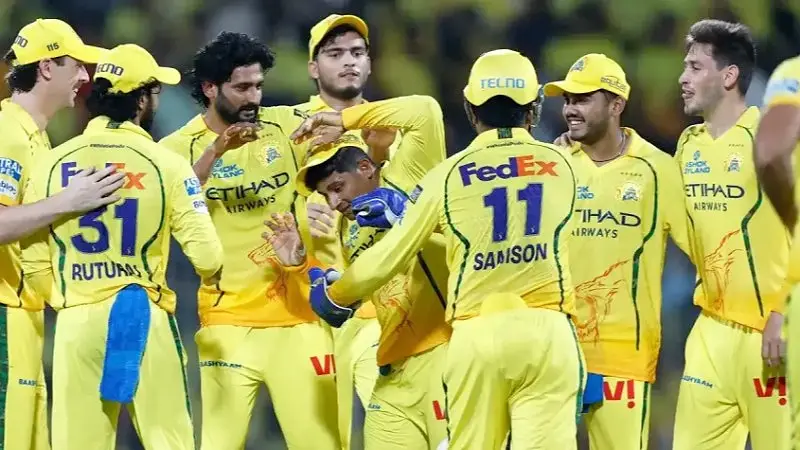

111 runs conceded in 40 death over balls. Economy rate of 16.65. Worst among all teams in the competition. These aren’t numbers that reflect a couple of expensive overs against exceptional batting; they reflect a pattern across multiple matches that confirms CSK’s death bowling isn’t a form problem. It’s a structural one. The RCB match made it embarrassingly visible. But the numbers existed before Chinnaswamy, and they’ll exist after it unless something changes in how CSK allocate their death bowling responsibilities and how their bowlers execute under pressure in those final four overs.
Full Tosses Where Yorkers Should Be
The specific delivery that CSK’s death over bowlers have been producing instead of the yorker isn’t the loose wide or the short ball that gets pulled, it’s the full toss and the overpitched delivery that arrives at the batter’s hitting zone rather than at their feet. A yorker that misses by eighteen centimetres becomes the full toss that Tim David or any aggressive finisher drives over mid-on. The block-hole delivery that lands short by the same margin becomes the slot ball that clears mid-wicket. Death over bowling produces wickets or concedes boundaries based on centimetre-level execution. CSK have been producing the wrong side of that margin with statistical consistency across the tournament.
RCB Showed Every Team the Blueprint
The RCB match didn’t expose CSK’s death bowling; it confirmed what the economy rate data had already shown. What it did provide was a public and highly visible template for how to attack CSK’s final four overs with maximum efficiency. Attack the full delivery. Attack the length that isn’t a yorker but arrives in the scoring zone. Accept the occasional dot ball and wait for the next full delivery. This blueprint now exists in every opposition’s pre-match preparation. The teams RCB faced before this match had the economy rate data. The teams CSK face after this match have the data plus the visual confirmation that the blueprint produces 97 runs in five overs.
CSK’s IPL 2026 Death Over Numbers
The specific statistical profile of CSK’s death bowling is structural rather than incidental. Over half of their death over deliveries have been either full tosses or overpitched balls. Yorkers, the primary wicket-taking and boundary-preventing delivery in this phase, have been almost absent from their death over plans. An economy rate of 16.65 across 40 balls isn’t achieved through occasional expensive overs. It’s achieved through consistent execution failure across multiple deliveries over multiple matches. The number confirms that the problem predates RCB, predates Chinnaswamy, and will continue against every subsequent opponent unless the execution pattern changes.
CSK Have No Death Over Specialist
The specific structural problem behind the execution pattern is the absence of a clearly identified death over specialist in CSK’s current bowling combination. Successful IPL death bowling requires one bowler who owns the final two overs, who has prepared specifically for that phase, who the captain trusts unconditionally to bowl over nineteen and twenty, and who the batting lineup must specifically plan around rather than plan for. CSK don’t currently have that bowler available in their settled combination. Without a designated specialist, multiple bowlers are being used in the death overs who are operating outside their most effective phase, and the execution failures reflect the discomfort of bowling in a role they haven’t fully claimed.
Does CSK find their death over bowling solution before IPL runs out of time for them, or does the worst death economy in the competition define their whole campaign? Drop your take and follow for IPL updates.
FAQs
Why is CSK struggling in the death overs in IPL 2026?
They are missing yorkers, bowling predictable lengths, and failing to execute under pressure.
How did RCB exploit CSK’s bowling weakness?
In the RCB vs CSK match, batters targeted full deliveries and took advantage of the lack of variation.
Can CSK fix their death bowling this season?
Yes, but only if they improve execution and assign clear roles to their bowlers.
Which phase is hurting the Chennai Super Kings the most?
The final overs (16–20) are where they are conceding the most runs.
Is this a common issue in the Indian Premier League?
Yes, but teams with strong death bowling specialists usually manage it better.