

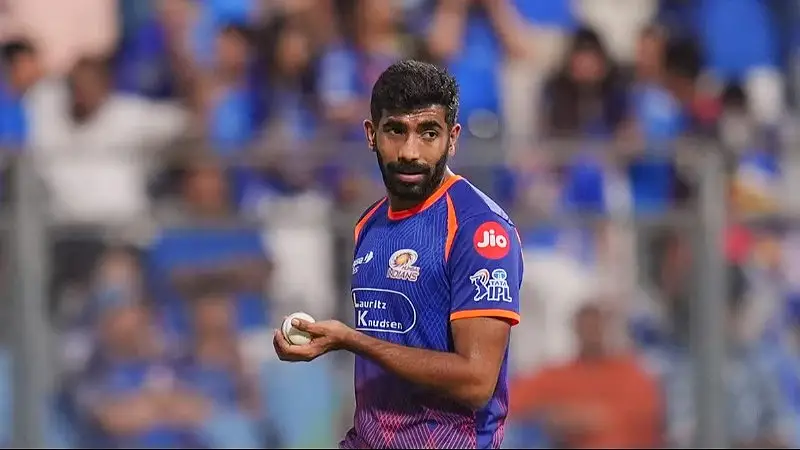

Jasprit Bumrah is still Jasprit Bumrah. His variations are landing, his accuracy hasn’t dropped, and on his best days, he remains the most difficult bowler in the tournament to score against. The problem isn’t Bumrah. The problem is what’s happening before he bowls. When the powerplay gives opposition batters 50 or 60 runs without a wicket, they walk into his spell set, comfortable, and with no scoreboard pressure forcing them to take risks. That’s the worst possible condition for a bowler who relies on creating doubt and inducing mistakes. MI aren’t just struggling with their bowling attack. They’re actively undermining their best weapon through what happens in the overs before he comes on.
The Powerplay Is Already Lost
The first six overs in modern T20 cricket don’t just determine the scoring platform. They determine who controls the rest of the match. When a bowling team wins the powerplay a wicket, tight economy, and early pressure, the batting side enters the middle overs managing a chase rather than building one freely. When the bowling team loses the power play, the dynamic flips entirely.
MI has been losing it repeatedly. Excessive runs in the opening overs, hand batting lineups exactly what they want: confidence, momentum, and a strong enough foundation that they can afford to play Bumrah carefully rather than take risks against him. Batters who arrive in the 7th over having scored 55 in the powerplay without losing a wicket are in a fundamentally different mental state from batters who’ve lost two wickets for 35. MI keeps creating the first scenario and wondering why the second half of their bowling plan isn’t working.
IPL 2026 and the Bumrah Problem
The structural flaw in MI’s bowling is that they’ve built their attack around one match-winner without building the conditions that allow him to match-win. A strong T20 bowling attack works in pairs, pressure from both ends, wickets from multiple sources, variety that forces batting lineups to reset their approach repeatedly across 20 overs.
MI doesn’t have that. Bumrah is the threat. Everyone else is support staff. And when the support staff concedes freely in the early overs, opposition captains can simply instruct their batters to take their time against Bumrah, accumulate against everyone else, and wait for the death overs where the required rate does the pressure work for them. Bumrah’s numbers might still look respectable in isolation.
Chahar’s New Ball Lets MI Down
The most specific and fixable problem in MI’s powerplay is Deepak Chahar’s inconsistency with the new ball. A new ball bowler’s job is clear: exploit early movement, keep lines tight, make scoring difficult, and give the batting side a reason to think twice before they settle. When that job is done well, it creates the conditions for everything else in the bowling plan to function.
Chahar has been handing those conditions to the batting side instead. Inconsistent lines and lengths in the opening overs are the single most efficient way to gift a batting team momentum they haven’t earned. In conditions where totals push beyond 200 regularly, conceding 15 to 20 in the first over doesn’t just cost runs; it signals to the batting lineup that this attack can be attacked from ball one.
One-dimensional and Easy to Read
Beyond the execution issues, MI’s bowling has a tactical problem that sits above individual performances. Successful T20 attacks make batting lineups adjust to different angles, different paces, cutters on gripping surfaces, and bouncer traps against specific batters. MI’s bowling has looked predictable enough that opposition batters don’t need to adjust much at all.
When a bowling attack is predictable, even average batting lineups score freely because there’s no new information arriving with each delivery. MI has the personnel to create variation. They haven’t been using it. Until the powerplay stops leaking and the bowling plan starts surprising batting lineups rather than confirming their expectations, Bumrah will keep performing in a losing cause.
- Can MI fix their powerplay bowling before it ends their IPL season completely? Drop your take in the comments and follow for IPL updates.
FAQs
Why is the Mumbai Indians’ bowling struggling in IPL 2026?
Their bowling lacks early wickets and consistency, especially in the power play, which reduces overall pressure.
How important is Jasprit Bumrah to MI’s bowling attack?
He remains the primary threat, but overdependence on him makes the attack predictable.
What is the issue with Deepak Chahar’s new ball performance?
Inconsistent lines and lengths have allowed batters to score freely early on.
Can the Mumbai Indians fix their bowling problems this season?
Yes, but it requires better power play execution and more tactical flexibility.
Which phase hurts MI’s bowling the most?
The powerplay overs, where they often concede too many runs without taking wickets.