



The IPL auction is a very romantic event in many ways, as franchises claim they have “moved on” and fans claim they do not care at all, but each time the paddle comes up for a former franchise player, the past instantly takes control of team decision-making. The IPL 2026 Abu Dhabi auction was filled with many big news events, including Cameron Green being the most expensive foreign player of all-time and several uncapped Indians receiving extremely high bids. Underneath all this noise, there was also another, less publicized, more interesting trend that included teams re-igniting their past relationships.
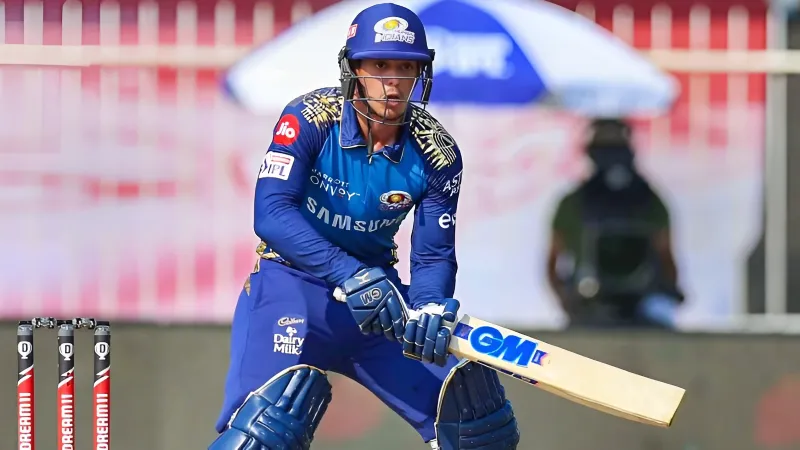
Quinton de Kock: Mumbai’s Muscle Memory Purchase
 Quinton de Kock
The Mumbai Indians didn’t hesitate because they didn’t need to overthink. Quinton de Kock’s return feels less like a gamble and more like muscle memory. From 2019 to 2021, he was central to MI’s most dominant era, especially the 2020 title run, where his 503 runs at a strike rate of 140.50 set platforms rather than chased miracles.
Even with Ryan Rickelton retained, de Kock offers something MI values obsessively: certainty. His left-right opening partnership with Rohit Sharma once neutralized powerplays before opponents even settled. At ₹1 crore, this wasn’t a luxury buy; it was a reminder that systems often work best when trusted players re-enter them.
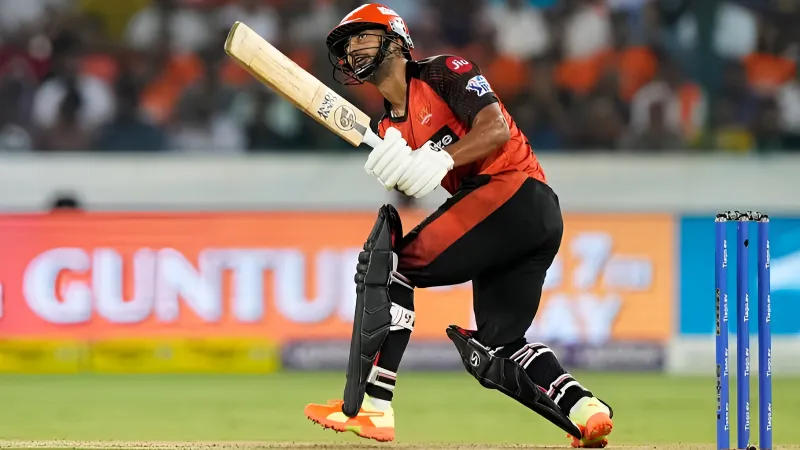
Rahul Tripathi: The Comfort of a Familiar Canvas
 Rahul Tripathi
Rahul Tripathi’s IPL career has been somewhat paradoxically aggressive on the attack, yet has not produced consistently. His unsuccessful stint for CSK in 2025 (55 runs, 96.49 Strike Rate) made his inconsistency glaringly apparent. However, the Kolkata Knight Riders did not see him as declining – they simply saw him as misplaced.
KKR remembers 2021, when Tripathi piled up 397 runs across 17 games, often as the tempo-setter in the middle overs. At ₹75 lakh, this wasn’t nostalgia; it was context correction. KKR is betting that familiarity with role, pitch, and expectations can restore rhythm. For Tripathi, this is less a comeback than a retest of identity.
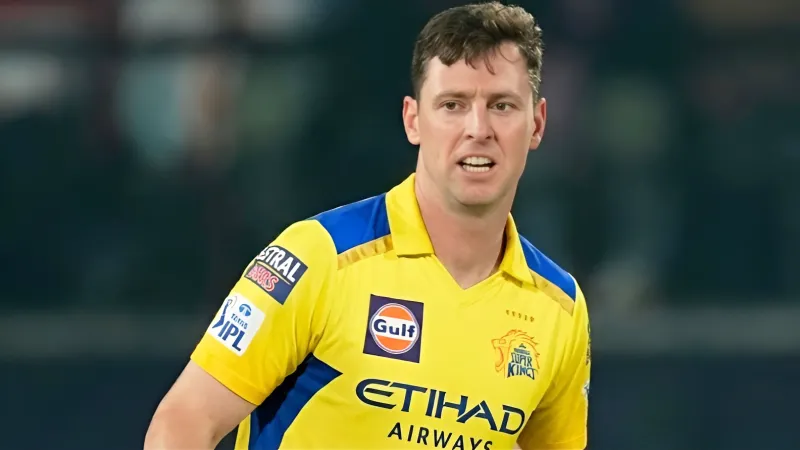
Matt Henry: Timing Finally Meets Opportunity
 Matt Henry
In 2015, Matt Henry was technically a CSK player – completely out of sight. He had zero appearances, zero contribution,s and zero memory. Then, in 2026, that very same team buys him again, but this time on purpose. And at an investment of ₹2 crores, Henry comes into the IPL not as a possibility, but as a complete bowling package as a new ball specialist.
Yes, injuries linger as a caveat. But CSK’s inexperienced seam unit makes Henry’s early-over control invaluable. His past IPL numbers (just six matches, two wickets) are irrelevant now. This is a different bowler, entering a team that needs precision more than pace. Sometimes, reunions work because both sides have finally evolved.
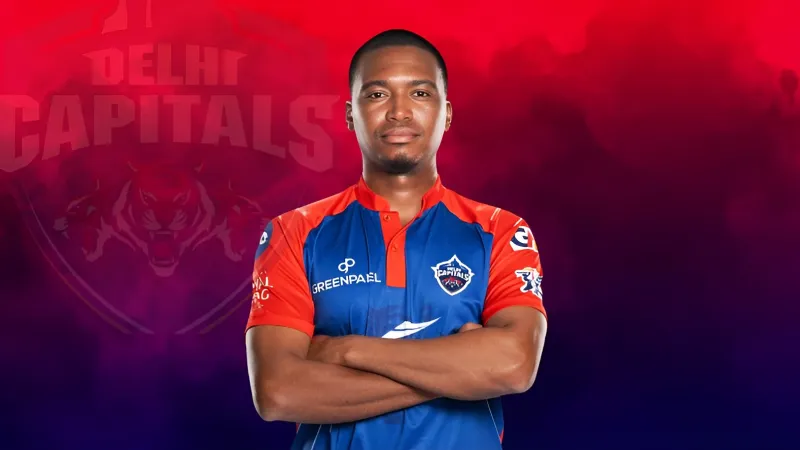
Lungi Ngidi: Delhi’s Insurance Policy with Bite
 Lungi Ngidi
Lungi Ngidi’s IPL journey has been fragmented by injuries and near-misses. His earlier Delhi Capitals stint never materialized due to fitness issues, while IPL 2025 saw him play just two matches for RCB, though he still claimed four wickets. That efficiency matters.
Delhi picking him up at ₹2 crore after he initially went unsold reflects strategic patience. Surrounded by Starc, Jamieson, Natarajan, and Chameera, Ngidi doesn’t need to lead; he needs to complement. His ability to strike early could quietly tilt games, provided his body cooperates. This isn’t optimism; it’s contingency planning done smartly.
Tim Seifert: Confidence Bought at the Right Moment
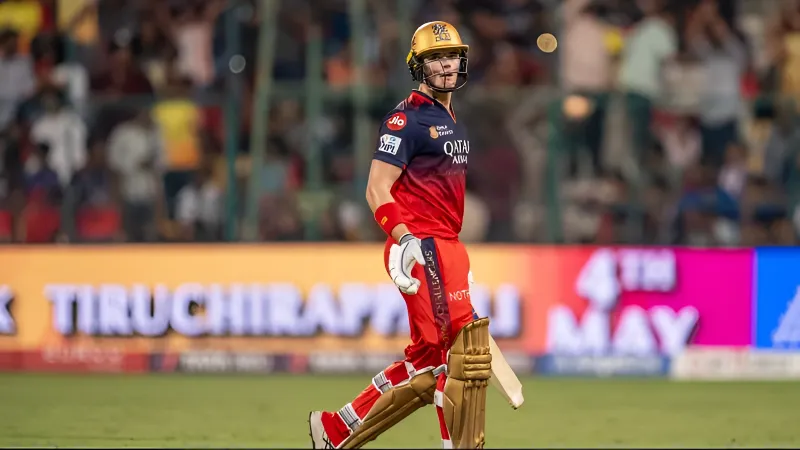 Tim Seifert
Few auction stories swing as dramatically as Tim Seifert’s. Unsold. Overlooked. Then suddenly irresistible thanks to a blistering BBL hundred for Melbourne Renegades just a day before the auction. KKR noticed. So did opportunity.
Seifert’s earlier IPL numbers are underwhelming, with three matches total and negligible returns. But context matters. T20 cricket has evolved, and so has Seifert’s power game. With Finn Allen also in KKR’s squad, this isn’t a guaranteed starting role; it’s a competition. And sometimes, franchises buy confidence more than stats.
Whether these reunions flourish or fade will depend less on sentiment and more on execution. But one thing is clear: IPL 2026 will test whether second chances are strategic wisdom or emotional indulgence.
Key Takeaway
Reunions in IPL 2026 aren’t about nostalgia; they’re about minimizing uncertainty.
FAQs
- What made the IPL 2026 auction reunions significant?
Teams prioritized familiarity to reduce adaptation risk in a short tournament.
- Why did franchises re-sign previously released players?
Clear roles, squad balance, and past system success drove decisions.
- How can these five players impact IPL 2026?
If fit and correctly deployed, they offer immediate tactical value rather than long-term promise.
Disclaimer: This blog post reflects the author’s personal insights and analysis. Readers are encouraged to consider the perspectives shared and draw their own conclusions.
Step into the world of cricket with JeetBuzz News—where expert opinions, trending Blogs, and behind-the-scenes insights meet all your favorite topics. Stay informed, stay entertained, and never miss the stories shaping the cricketing world—only on JeetBuzz News!