

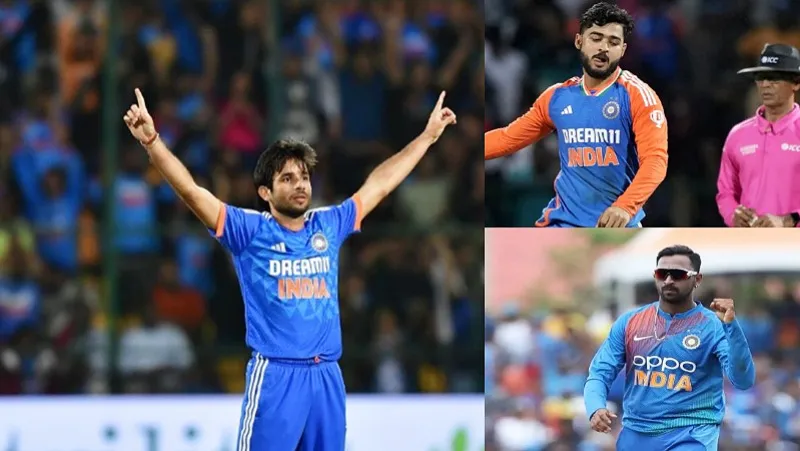

India’s 2026 T20 World Cup squad appears settled on paper, but tournament history suggests that trophies are rarely won by the original XI alone. They’re won by squads that adapt faster than injuries strike. And injuries, inevitably, already have their foot in the door.
Tilak Varma, one of India’s most progressive middle-order bats, is recovering from abdominal surgery in Rajkot. Washington Sundar, the side’s balance wheel in T20 cricket, is nursing a side strain picked up against New Zealand in Vadodara. Neither is ruled out of the World Cup yet, but neither is fully safe.
What follows isn’t panic selection. It’s contingency planning. And the five names in the selectors’ peripheral vision reveal far more about India’s T20 philosophy than the starting XI ever could.
Shreyas Iyer and the Middle-Order Safety Net
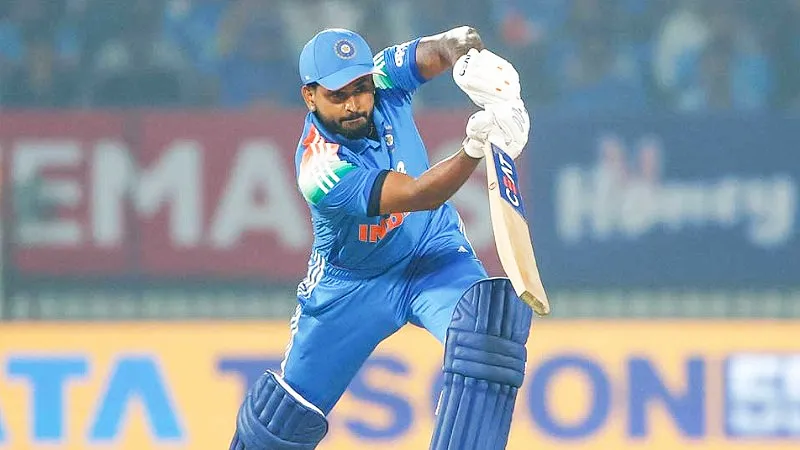 Shreyas Iyer
Shreyas Iyer’s memory is strategic rather than nostalgic. He was given an immediate opportunity to perform under pressure as Tilak Varma will miss the first three Twenty-20 Internationals. His last Twenty-20 International was 53 runs off 37 balls vs. Australia in December 2023. The major argument for his selection is based on IPL 2025; 604 runs at a strike rate of 175.07 while captain of the Punjab Kings.
That year settled the question for Iyer that had been hanging over him for so long: could he adapt to today’s T20? There can be no doubt. He has better access to boundaries off of spinners than ever before, and he is now willing to hit with the same authority as Tilak; therefore, he will provide the same stylistic option but a different profile if Tilak does not recover.
Ruturaj Gaikwad and the Flexibility Question
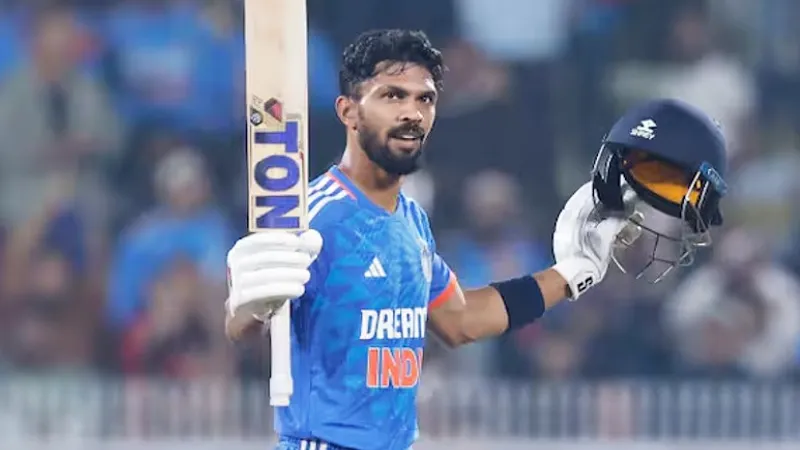 Ruturaj Gaikwad
Few Indian batters live in the selectors’ paradox like Ruturaj Gaikwad. Too classical for chaos merchants, too adaptable to ignore. Gaikwad’s recent domestic numbers are outrageous: 413 runs in seven Vijay Hazare innings at 82.60, and yet he still finds himself on the margins.
The fact that he can strengthen his case is due to not only form, but also the range of playing positions he can be used in (i.e., opening, batting at number three, or stabilizing at number four) along with his high T20 strike rate (over 140) as well as his ability to build an innings for the match situation, as evidenced by his IPL body of work.
Krunal Pandya and the Experience Lever
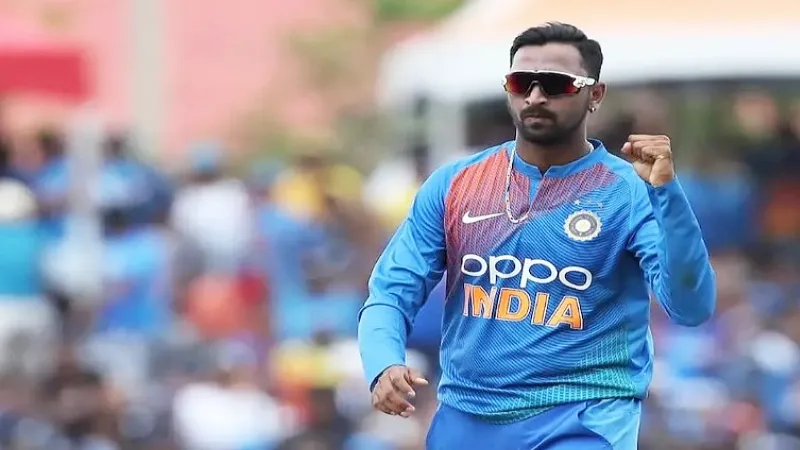 Krunal Pandya
Washington Sundar’s value isn’t just wickets; it’s balance. And if balance is the requirement, Krunal Pandya is the closest like-for-like option available. At 34, he doesn’t scream “future,” but World Cups aren’t futurist experiments.
A 2/17 Player of the Match performance in the IPL 2025 finals will remind many of the player’s ability to perform in “big games”. Combine this with an innings of 73 off 47* from earlier in the tournament, and it becomes clear why there is a lot of appeal for a bowler who can bowl at the top end of the order while being able to bat under pressure.
Ravi Bishnoi and the Wrist-Spin Overcrowding
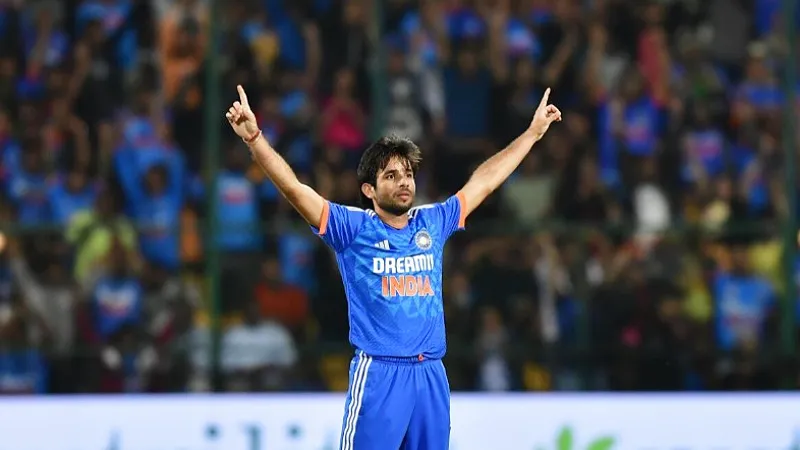 Ravi Bishnoi
Bishnoi’s numbers are elite: 61 wickets in 42 T20Is, average 19.37, economy 7.35. On pure data, he walks into most global T20 sides. His problem isn’t performance, it’s competition.
With Kuldeep Yadav and Varun Chakaravarthy currently ahead in the pecking order, Bishnoi’s path depends on injuries and impact. Critics say he’s become predictable; Bishnoi would argue that predictability doesn’t matter if batters still miss. The New Zealand series is his rebuttal window. Perform here, and he becomes more than cover; he becomes leverage.
Riyan Parag and the High-Risk Utility Card
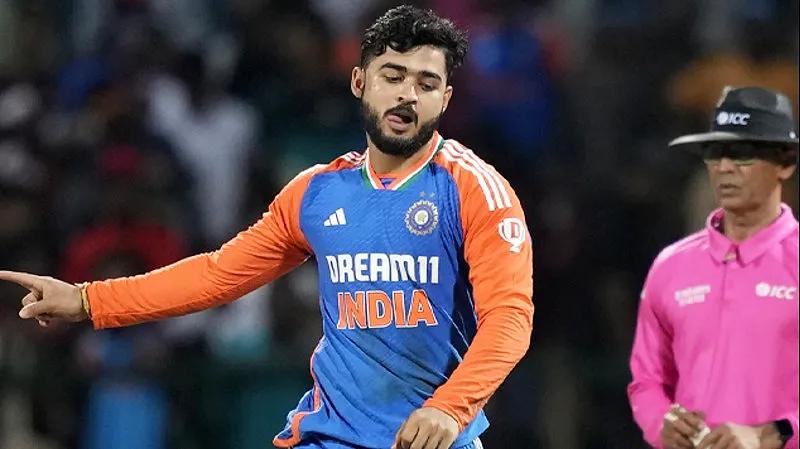 Riyan Parag
Riyan Parag’s case is the most nuanced and the most divisive. A batting all-rounder in theory, a momentum player in practice. With nine T20Is, strong fielding, and part-time bowling, Parag fits the modern utility template.
He’s currently rehabbing a shoulder injury at the BCCI Centre of Excellence, but reports suggest full fitness is close. If India loses either Tilak or Sundar, Parag offers tactical flexibility rather than direct replacement. He’s not a safety option; he’s a gamble. And sometimes, tournaments are tilted by the courage to gamble at the right time.
Key Takeaway
India’s World Cup depth isn’t about backups; it’s about adaptable roles under pressure.
FAQs
- What makes Shreyas Iyer a strong Tilak Varma replacement?
His improved strike rate against spin and proven IPL leadership make him a tempo-matching option.
- Why is Krunal Pandya still relevant in 2026?
Big-match temperament and left-arm balance often outweigh recency in ICC tournaments.
- How important is the New Zealand T20I series for selection?
It’s effectively a live trial for injury replacements, not a routine bilateral series.
Disclaimer: This blog post reflects the author’s personal insights and analysis. Readers are encouraged to consider the perspectives shared and draw their own conclusions.
Step into the world of cricket with JeetBuzz News—where expert opinions, trending Blogs, and behind-the-scenes insights meet all your favorite topics. Stay informed, stay entertained, and never miss the stories shaping the cricketing world—only on JeetBuzz News!