



T20 cricket is an unforgiving arena where a bowler’s reputation can be dismantled in just four overs. The T20WC has witnessed some of the most destructive batting displays in history, leaving even world-class pacers and spinners helpless against the onslaught. From Stuart Broad’s historic nightmare to modern-day meltdowns, some spells proved so costly that they single-handedly shifted match momentum. But which bowlers hold the unwanted record for conceding the most runs? Let’s see.
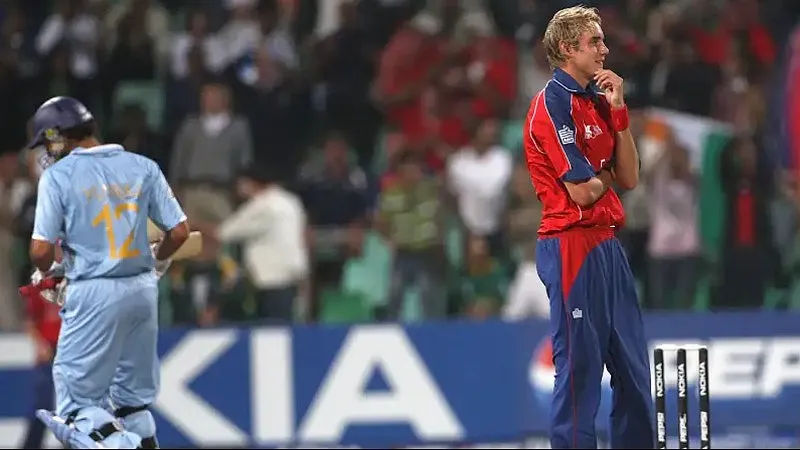
Stuart Broad (0–60) – Durban 2007 T20 World Cup Record
 Stuart Broad
Stuart Broad’s spell is still the most famous event in T20 history. Having conceded only 24 runs through his first three overs, Broad was in solid shape at the end of the 18th over. However, Yuvraj Singh’s six consecutive sixes changed everything for Broad; he went from having a respectable set of figures (0-24) to an abysmal one (0-60). This incident shows that bowling figures can fall apart very fast in T20 Cricket when a batter finds a good matchup and the momentum is lost and no longer under a bowler’s control.
Lameck Onyango (0–61) – Johannesburg 2007
 Lameck Onyango
The Sri Lanka vs Kenya 2007 match illustrated how flat playing surfaces can exacerbate mismatched opposition by exposing the bowler’s limited ability for variety. Onyango conceded 61 runs from four overs, with 29 runs coming from his last four balls alone due to the Sri Lankan batters targeting his predictable speed. By the end of his four-over spell, Sri Lanka reached a record-breaking 260–6. This is a prime example of how consistent aggressive batting strategy combined with a lack of variation can greatly increase the total number of runs scored by an opponent in a high-scoring contest.
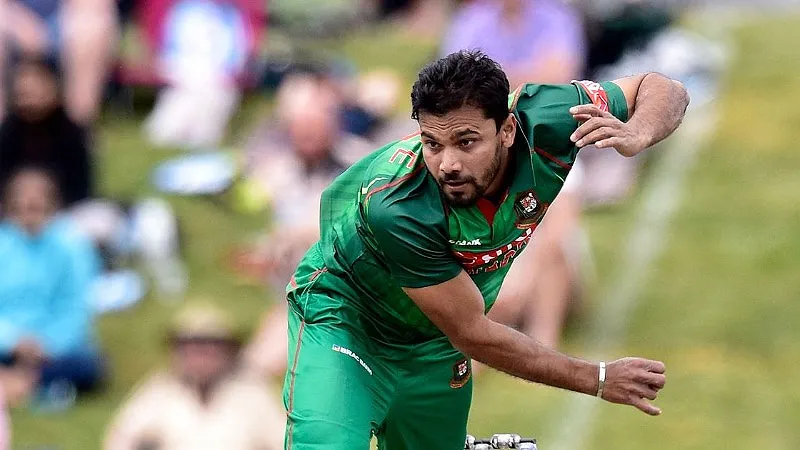
Mashrafe Mortaza (0–63) – Mirpur 2014
 Mashrafe Mortaza
Mashrafe Mortaza’s costly spell demonstrated how predictable lengths can be penalized at an international level. After a tightly controlled opening, Pakistan chose to hold off on accelerating in the death overs. Mortaza allowed 18 runs from his second over and 24 from his last over when he was repeatedly targeted with short-of-length balls. This attack on the death overs turned what would have been a moderate bowling spell into the most expensive in tournament history; it also highlighted that, without much variation, there is little margin for error during pressure situations.
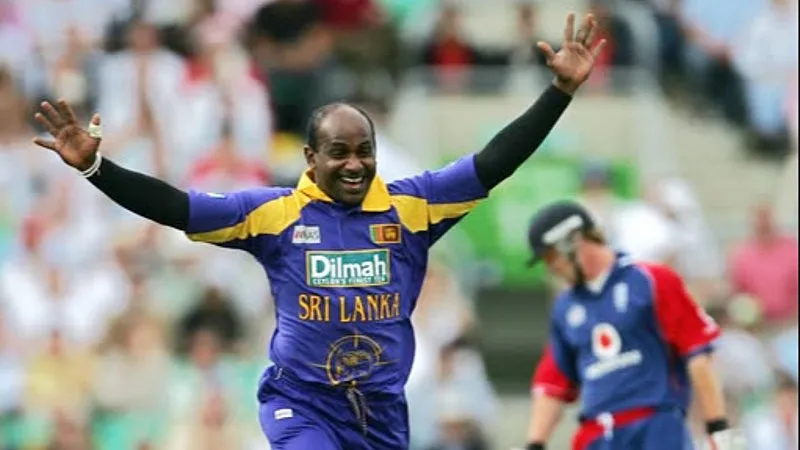
Sanath Jayasuriya (0–64) – Johannesburg 2007
 Sanath Jayasuriya
Best known as a batter, Sanath Jayasuriya’s bowling record illustrates the risks part-time bowlers face in high-scoring environments. Bowling his full quota, Jayasuriya conceded 64 runs as Pakistan’s batters targeted his limited pace and predictable angles. Once fielding restrictions eased, he was repeatedly attacked in the middle and death overs, including a 20-run over and an expensive final over, showing how matchup-based hitting exposes non-specialist bowlers.
Saurabh Netravalkar (0–65) – Wankhede 2026
 Saurabh Netravalkar
During the India vs. USA T20 2026, Netravalkar’s bowling statistics were the costliest T20 World Cup record after he had given away only seven runs in his first over but was then unable to prevent collapse during the death-overs as repeated pace-on deliveries with missed yorkers gave Yadav a clear option for boundaries that resulted in many sequences of four consecutive boundaries across the final few overs and therefore eliminated any possibility of recovering from his poor bowling figures.
Although the highest bowling scores from the T20WC were not personal disasters, they do demonstrate how much the T20 format has changed. Batsmen now use flat pitches and know their opponents well; this forces bowlers to bowl under extreme pressure at the end of an innings, as batsmen have the option to accelerate scoring in the last few overs.
Key Takeaway
Extreme bowling figures in T20 World Cups are now a product of structural changes, not isolated collapses.
FAQs
What is the most expensive bowling spell in T20 WC history?
Saurabh Netravalkar’s 0–65 against India in 2026 currently tops the list.
Why do death overs produce the worst bowling figures?
Set batters, predictable lengths, and short boundaries combine to inflate runs quickly.
Which Indian batter has influenced multiple expensive spells?
Suryakumar Yadav’s late-innings acceleration has repeatedly exposed death bowlers.
Are part-time bowlers more at risk in T20 World Cups?
Yes, lack of variation and pace control increases vulnerability in high-scoring games.
Can future tournaments reduce such extreme bowling figures?
Only through better pitch balance and specialist death-over planning.