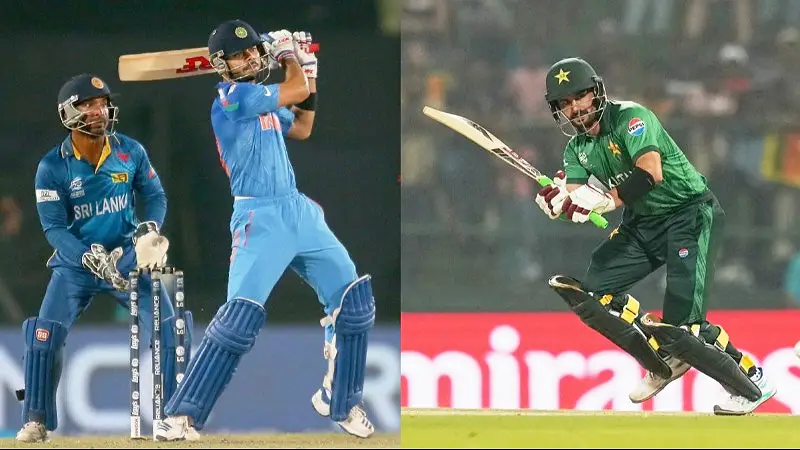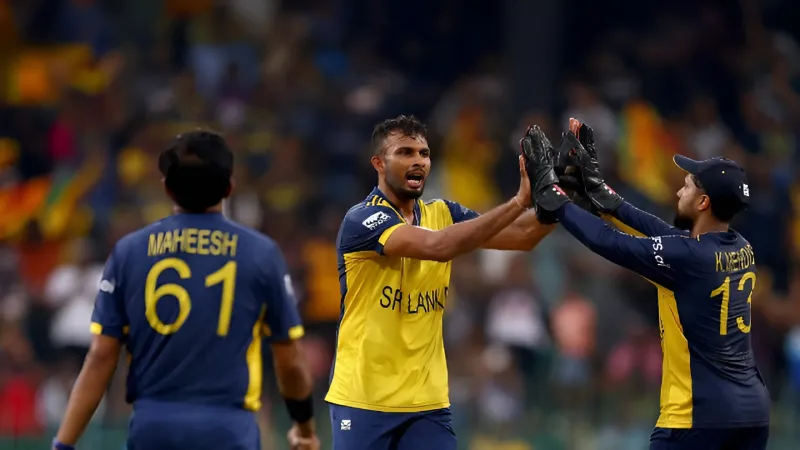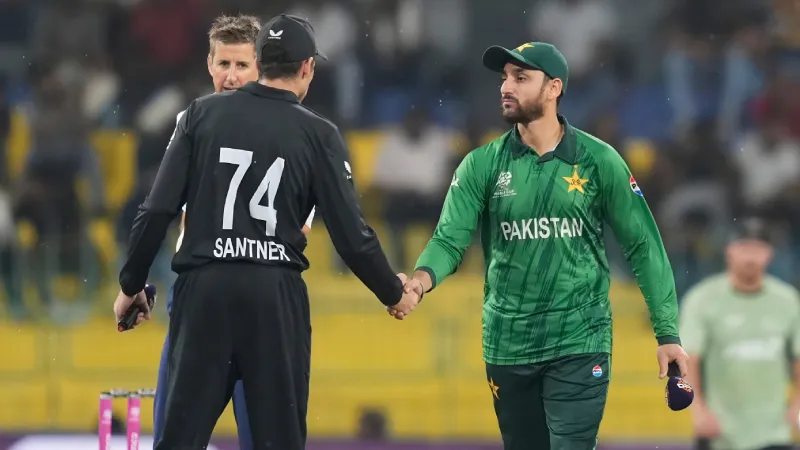
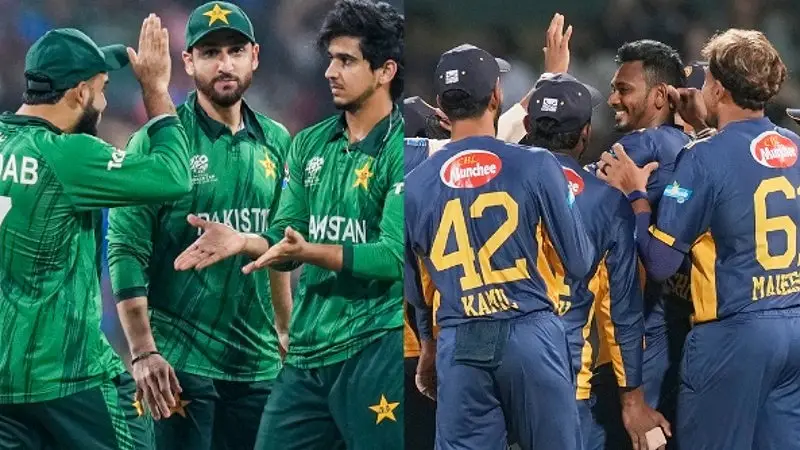
Both teams were already out. The Super Eights had come and gone, and this match at Pallekele was cricket played without consequence, or so it seemed. What actually happened was the most fluent, aggressive, and tactically clear cricket either side had produced all tournament. Pakistan posted 197/4. Sri Lanka chased it down to 189/6 in a losing effort that still showcased more intent than anything they’d managed in the group stage.
That’s the problem. Both teams found their best template on the wrong day.
The Middle-Over Hesitation That Derailed Pakistan’s Campaign
Pakistan’s batting collapse in pressure games this tournament always traced back to the same phase, overs seven to fifteen. Against India in the Super Eights, they scored just 54 runs across that stretch at a run rate of 6.0, handing India’s spinners control they never relinquished. Against Australia, Babar Azam’s 47 off 38 balls in the middle overs set a tempo the lower order couldn’t recover from.
Here, against Sri Lanka, the same batters looked completely different. Babar attacked Wanindu Hasaranga’s second over, hitting back-to-back boundaries through extra cover. Mohammad Rizwan cleared the rope twice in the 11th over off Maheesh Theekshana. The intent was there all along; it just wasn’t deployed when the tournament required it.
What Pakistan vs Sri Lanka T20 World Cup Exposed About Sri Lanka’s Inconsistency
Sri Lanka’s campaign told an almost identical story from the other side. Pathum Nissanka averaged 14.2 across the group stage, unable to convert starts into the anchor innings Sri Lanka needed. Kusal Mendis played two match-winning hands but disappeared in the games that mattered most, their defeat to Australia in particular, where he fell for 8 off 10 balls trying to attack too early against Mitchell Starc.
Against Pakistan here, Mendis made 61 off 38. Nissanka contributed 44 off 29. Both batters looked assured, aggressive, and tactically clear. The difference wasn’t ability; it was the absence of qualification pressure. Sri Lanka batted freely because the result no longer defined their tournament. That mental shift, which should have been built into their approach from game one, arrived five matches too late.
Bowling Adaptability: What Both Teams Got Wrong
Pakistan’s bowlers struggled to adapt mid-innings throughout the tournament. Shaheen Afridi conceded 47 runs in his four overs against India, in part because India’s batters attacked his full lengths early and he didn’t adjust until the 18th over. Against Sri Lanka, Shaheen bowled shorter and slower, mixing cutters with his natural swing. He finished with 2/31. The blueprint was there. The timing wasn’t.
Sri Lanka’s bowling unit had the same problem in reverse. Theekshana and Hasaranga are both world-class operators, but their tournament economy rates ballooned when opposition teams attacked them in the powerplay before they could settle into rhythm. Against Pakistan in the earlier group match, both conceded above 9.5 per over in their first two spells. Here, with nothing riding on the result, they found their lengths earlier and looked far more threatening.
The Template Was Always There, Both Teams Just Found It Too Late
The frustrating truth about both Pakistan vs Sri Lanka T20 World Cup campaigns is that nothing revealed here was new information. Pakistan’s aggressive batting blueprint under pressure has existed since the 2021 World Cup semi-final against Australia. Sri Lanka won the Asia Cup in 2022 playing exactly the fearless, top-order-led cricket they showed glimpses of here. The tools were available. The consistent application wasn’t.
Both teams leave this tournament having demonstrated, in their final match, precisely what they should have been doing from match one. That’s not a talent problem. It’s a planning problem, and until it’s solved at a structural level before the next tournament begins, the same cycle will repeat.
FAQs
What went wrong for Pakistan in World Cup matches?
Pakistan’s conservative middle-over approach and delayed acceleration reduced their scoring flexibility in key games.
How can Sri Lanka rebuild their T20 team effectively?
By defining batting roles clearly and committing to consistent attacking templates rather than reactive strategies.
Why is fearless cricket important in T20 tournaments?
Early scoring pressure forces opponents to adjust and prevents scoreboard pressure from building later.
Can Pakistan return stronger in the next T20 cycle?
Yes, if tactical clarity and structured aggression are implemented from the opening match of a tournament.
Which tactical lessons matter most from this match?
Powerplay intent, middle-over momentum control, and adaptable bowling responses are the most critical areas.