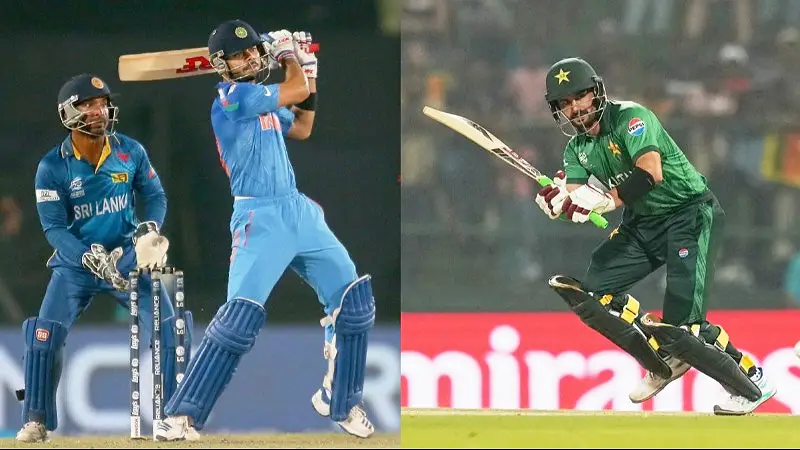
Nobody had touched Virat Kohli’s single-edition T20 World Cup run record for years. Sahibzada Farhan didn’t just touch it; he dismantled it. At Pallekele’s batting paradise, on pitches that rewarded clean striking and penalised poor lengths, Farhan turned a favourable environment into something historic.
This isn’t a story about one brilliant innings. It’s about what happens when form, conditions, and partnership all peak at the same time.
How Farhan T20 World Cup Numbers Surpassed Kohli’s Benchmark
The previous record for runs in a single T20 World Cup edition, 319, set by Virat Kohli, had stood as the gold standard for tournament consistency. Farhan finished with 397 runs across the tournament at an average of 56.71 and a strike rate of 158.4, with three fifties and two centuries. No batter in T20 World Cup history had posted multiple hundreds in one edition before.
What makes those numbers remarkable isn’t just the volume. It’s the method. Farhan’s T20 World Cup number didn’t torch the bowling in one or two games and coast elsewhere. He crossed fifty in five of his seven innings. That’s not a hot streak, that’s a different level of sustained control.
Pallekele Conditions and Why Farhan Exploited Them Better Than Anyone
Flat pitches. Short square boundaries. Outfields that made every mis-hit race to the rope. Pallekele, during this tournament, was batting-friendly, but plenty of batters still failed there. Farhan didn’t just benefit from the conditions; he read them better than the opposition read him.
His approach was specific: attack the powerplay with placement rather than power, targeting the straight boundary and the wide long-on gap where fielding restrictions left acres of space. Once he was set past 20 balls, the strike rate climbed past 160. Bowlers who held back length found him pulling. Bowlers who pitched up found him driving. There was no safe option.
The Fakhar Partnership That Dismantled Sri Lanka’s Plans
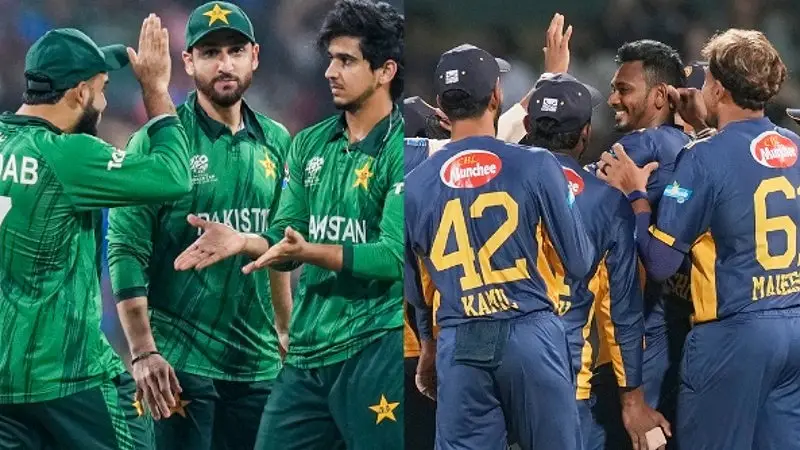
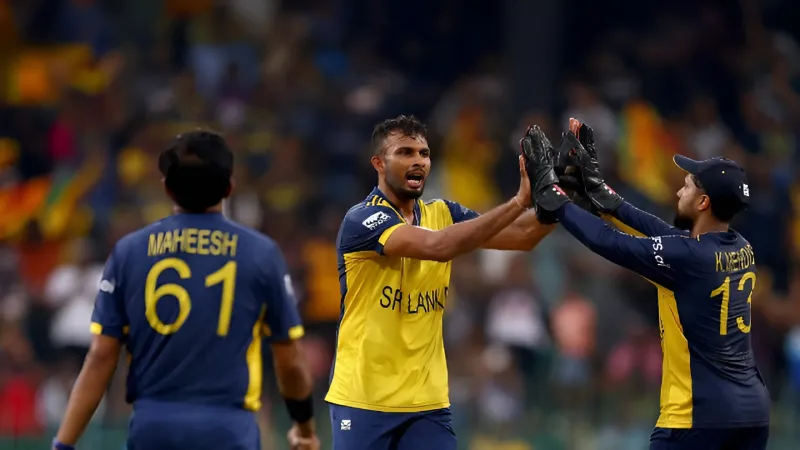
Against Sri Lanka, the contest was effectively over by the 10th over. Farhan and Fakhar Zaman put on 182 for the first wicket, the highest opening partnership in T20 World Cup history, and the Sri Lanka vs Pakistan match became the highest-scoring game the tournament had seen.
Fakhar’s role was the boundary-hitting aggression that forced Sri Lanka’s field back. That opened the gaps Farhan prefers, the ones between fielders, not over them. While Fakhar cleared the rope eight times, Farhan picked up 14 fours, threading the gaps. Different methods, identical damage. Sri Lanka had no bowling combination capable of containing both approaches simultaneously, and they paid for it across 20 overs.
What Farhan’s Record Means for Pakistan Going Forward
Records matter because they shift expectations. Pakistan now knows what its top order is capable of when conditions align and partnerships fire. The question for future tournaments isn’t whether Farhan can do this again; it’s whether Pakistan can build a lineup that consistently puts him in position to do it.
On subcontinental surfaces in ICC events, the template is set. Farhan bats long, Fakhar bats hard, and the bowling side has 20 overs of problems to solve. That’s a difficult equation to crack, as Sri Lanka found out the hard way.
FAQs
What record did Sahibzada Farhan break in the T20 World Cup?
He surpassed the previous highest run tally in a single T20 World Cup edition, setting a new benchmark for tournament consistency.
Why was the Sri Lanka vs Pakistan match so high scoring?
Flat pitch conditions, short boundaries, and limited bowling variation contributed to unusually high team totals.
How did Fakhar Zaman support Farhan’s record run tally?
Fakhar’s aggressive powerplay approach reduced pressure on Farhan and allowed him to build longer innings safely.
Which venue played a major role in these records?
Pallekele’s batting-friendly surface significantly influenced scoring patterns during the match.
Can Farhan’s performance influence future Pakistan team strategy?
Yes, it strengthens the case for stability-focused top-order roles built around consistent run accumulation.